
In my years of growing vegetables, I've learned that Brussels sprouts are the ultimate test of a gardener's patience. These miniature cabbage-like gems take their sweet time maturing, but the reward of harvesting your own tender, sweet sprouts makes every day of waiting worthwhile. Growing them from seed rather than buying transplants opens up a world of heirloom varieties you simply won't find at your local nursery.
Let me walk you through the entire journey of growing Brussels sprouts from seed. Fair warning: this isn't a quick-turnaround crop, but if you're willing to invest the time, your taste buds will thank you.
Why Start from Seed?
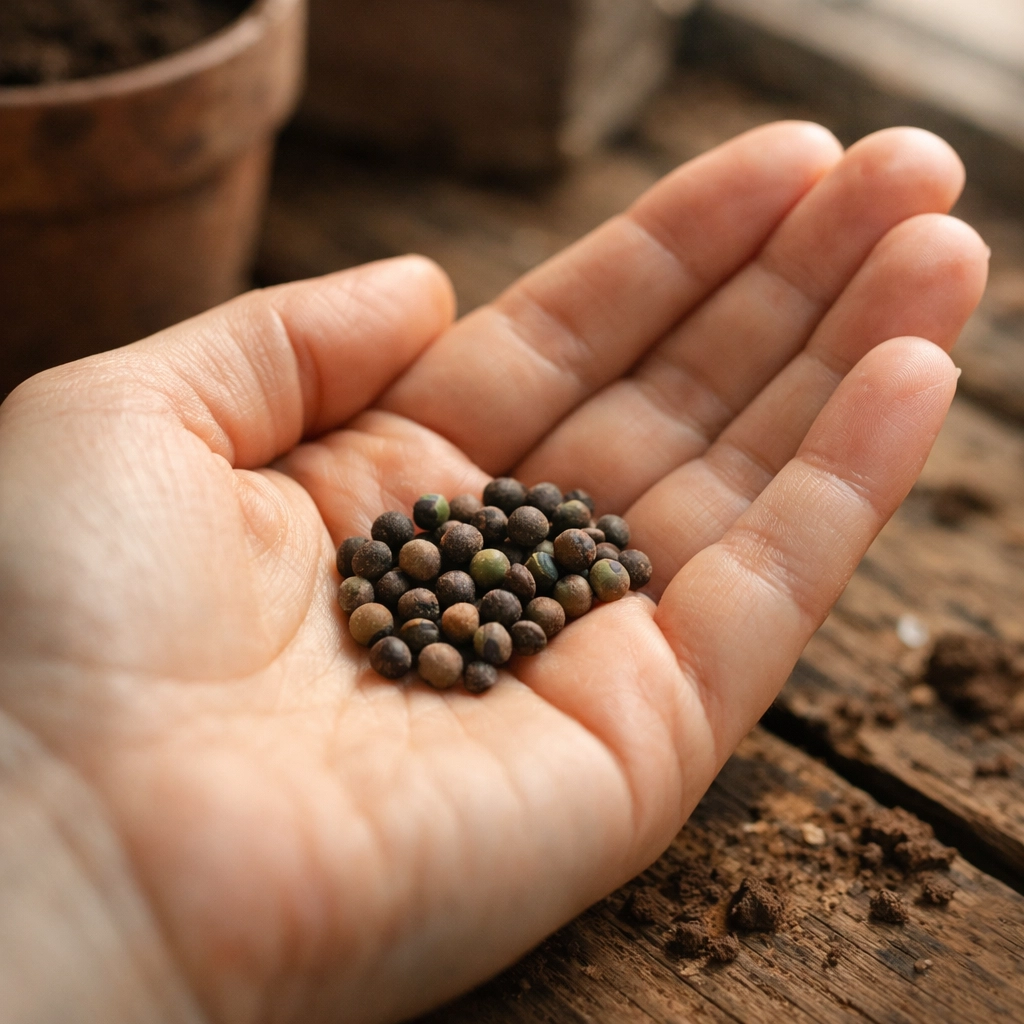
Starting Brussels sprouts from seed gives you control over the entire growing process. You'll know exactly what went into raising your plants, and you can choose from incredible heirloom varieties that offer flavors and characteristics you'd never experience with standard nursery transplants. Plus, there's something deeply satisfying about nurturing a plant from its first tiny leaves all the way to harvest.
Quality heirloom seeds produce plants with superior flavor and better adaptability to your specific growing conditions. When you start from seed, you're also building your skills as a gardener and gaining a deeper understanding of plant development.
Timing Your Brussels Sprouts Journey
The timing of your seed starting depends entirely on where you garden and when you want to harvest. Brussels sprouts are cool-season crops that actually taste sweeter after experiencing a light frost, so most gardeners aim for a fall harvest.
For Cold Climate Gardeners: Start your seeds indoors about 4-6 weeks before your last spring frost date. You'll transplant them outside just before that final frost passes. This gives them the long growing season they need to mature before winter arrives.
For Warm Climate Gardeners: If you're in a warmer region, start seeds indoors in mid to late May. Your seedlings will spend about four to six weeks growing strong indoors before heading to the garden. For fall harvests in mild climates, you can also start seeds in mid to late summer.
The key is giving these slow growers enough time to develop. From transplanting to harvest, you're looking at 80-120 days, so plan backwards from when you want to harvest.
Starting Seeds Indoors: The Foundation
Let's talk about getting those seeds started on the right foot. You'll want seed starting mix rather than garden soil, which can be too heavy and may harbor diseases. Fill your seed flats or individual pots with moistened seed starting mix.
Sow your Brussels sprout seeds about a quarter inch deep. Don't bury them too deeply or they'll struggle to emerge. Gently press the soil over the seeds and water with a fine mist to avoid displacing them.
Here's a trick I've learned over the years: cover your seed trays with a humidity dome or even plastic wrap to create a mini greenhouse effect. This keeps moisture levels consistent and encourages faster germination. Once you see those first green shoots pushing through the soil, remove the covering immediately. Seedlings need air circulation to prevent damping off disease.
Light and Feeding for Strong Seedlings
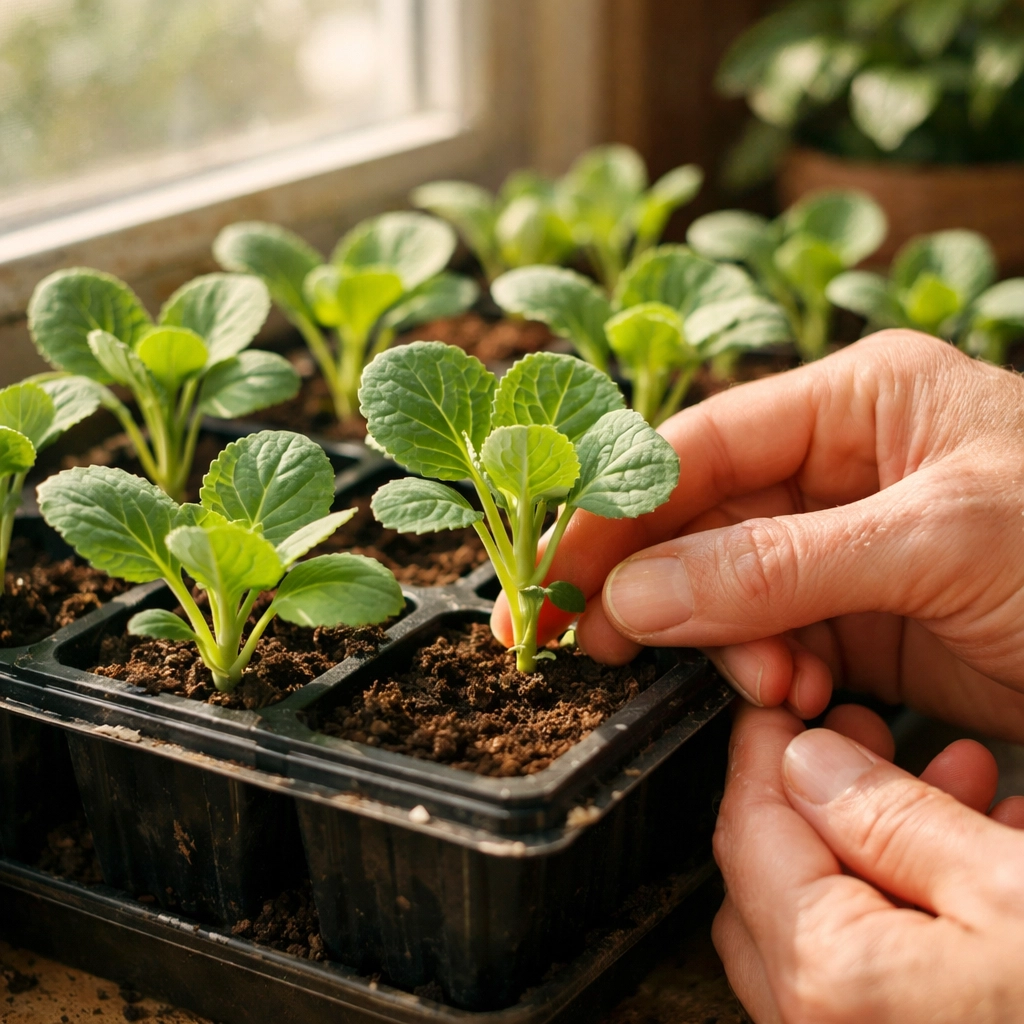
Now, I'll be honest with you. A sunny windowsill might seem like enough light for your seedlings, but grow lights produce significantly stockier, healthier plants. Leggy, stretched seedlings struggle when transplanted outdoors. If you're serious about growing from seed, investing in a simple grow light setup will transform your results.
Keep your seedlings under lights for 14-16 hours daily, positioning the lights just a few inches above the plants. Raise the lights as your seedlings grow.
Water consistently to keep the soil moist but never waterlogged. Think of it like a well-wrung sponge - damp but not dripping. Every two weeks, feed your seedlings with a diluted liquid organic fertilizer. This steady nutrition builds strong root systems and prepares them for the transition to outdoor life.
Your seedlings are ready for the garden when they reach 3-4 inches tall and have developed several sets of true leaves. This usually takes about 4-6 weeks from sowing.
Preparing the Garden Bed
Before those seedlings ever touch outdoor soil, you need to set the stage for success. Brussels sprouts are hungry plants that will occupy your garden for months, so rich soil is non-negotiable.
Work several inches of compost or aged manure into your planting area. The soil should be well-draining but able to hold moisture. Brussels sprouts prefer a soil pH around 6.8, which is slightly acidic to neutral. If you've never tested your soil pH, now's a great time to start. A simple soil test kit from your local garden center will tell you everything you need to know.
Choose a spot that receives full sun - at least six hours of direct sunlight daily. More sun means more energy for the plant to produce those precious sprouts.
Transplanting with Care
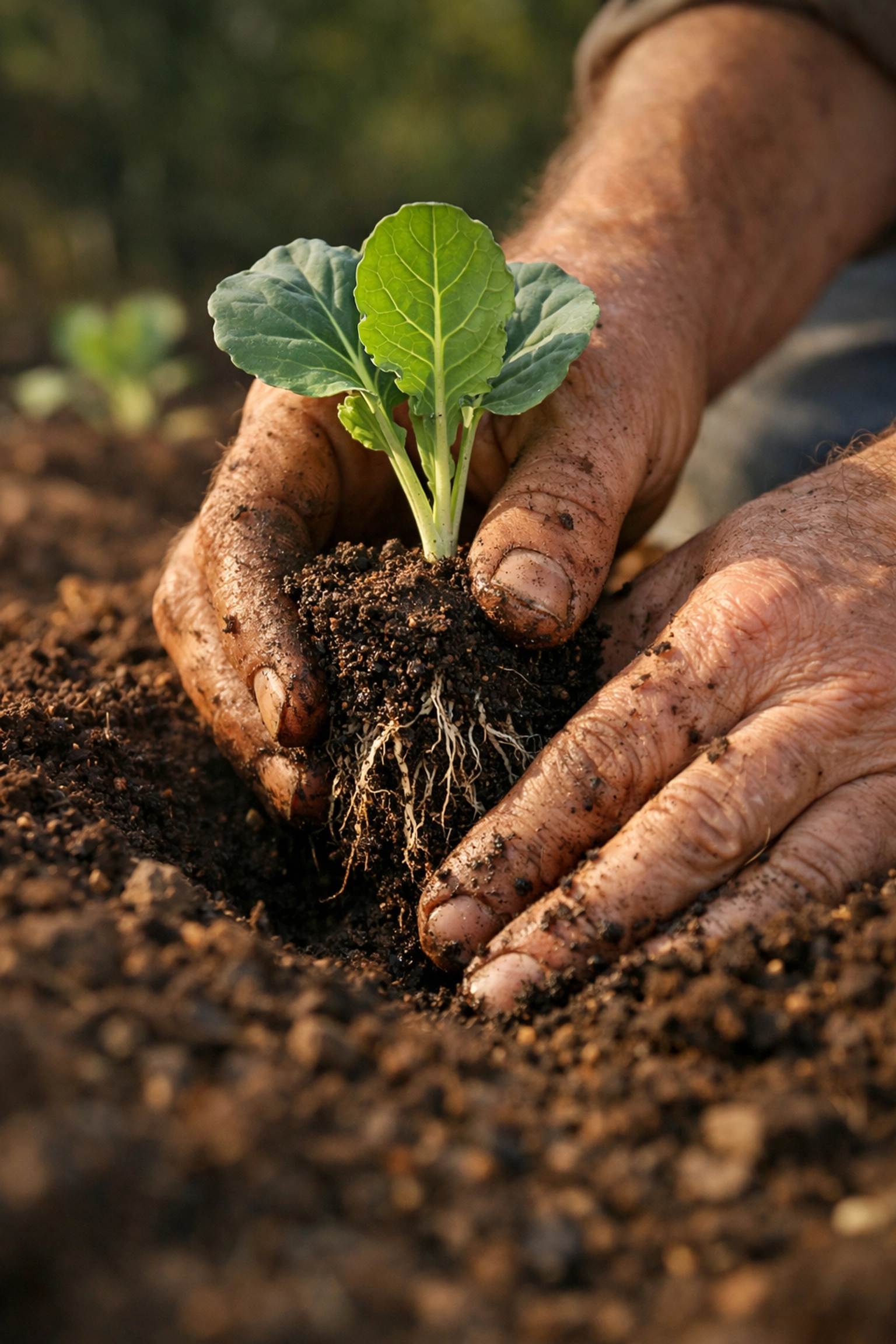
When transplanting day arrives, handle your seedlings gently. These plants will eventually grow quite large, so space them 18-24 inches apart in rows that are 30 inches apart. This might seem excessive when you're looking at tiny seedlings, but trust the process. Mature Brussels sprout plants need room to develop, and you'll need space to walk between rows for harvesting.
Plant each seedling at the same depth it was growing in its container. Planting too deep can lead to stem rot, while planting too shallow leaves roots exposed. Firm the soil gently around each plant and water thoroughly to eliminate air pockets around the roots.
Applying a 2-3 inch layer of mulch around your plants helps retain moisture and suppress weeds. Keep the mulch a few inches away from the stems to prevent moisture-related diseases.
The Long Growing Season: Care and Maintenance
Here's where patience becomes your greatest virtue. Brussels sprouts spend months in the garden, slowly building up their strength before producing those button-like sprouts along their stems.
Watering: Consistency is everything. Aim for about 1 to 1.5 inches of water per week. In hot, dry weather, water deeply twice weekly rather than giving frequent shallow waterings. Deep watering encourages roots to grow downward, making plants more drought-tolerant.
Fertilizing: Because Brussels sprouts are heavy feeders with a long growing season, plan to fertilize twice after transplanting. Give them their first feeding about six weeks after planting, then again six weeks later. You can use fish emulsion, a balanced organic vegetable fertilizer, or continuous-release plant food. This steady nutrition keeps plants growing vigorously throughout their extended growing period.
Monitoring: Keep an eye out for common brassica pests like cabbage worms, aphids, and flea beetles. Row covers work wonderfully for pest prevention, especially in the early growing stages.
The Harvest: Your Patient Reward
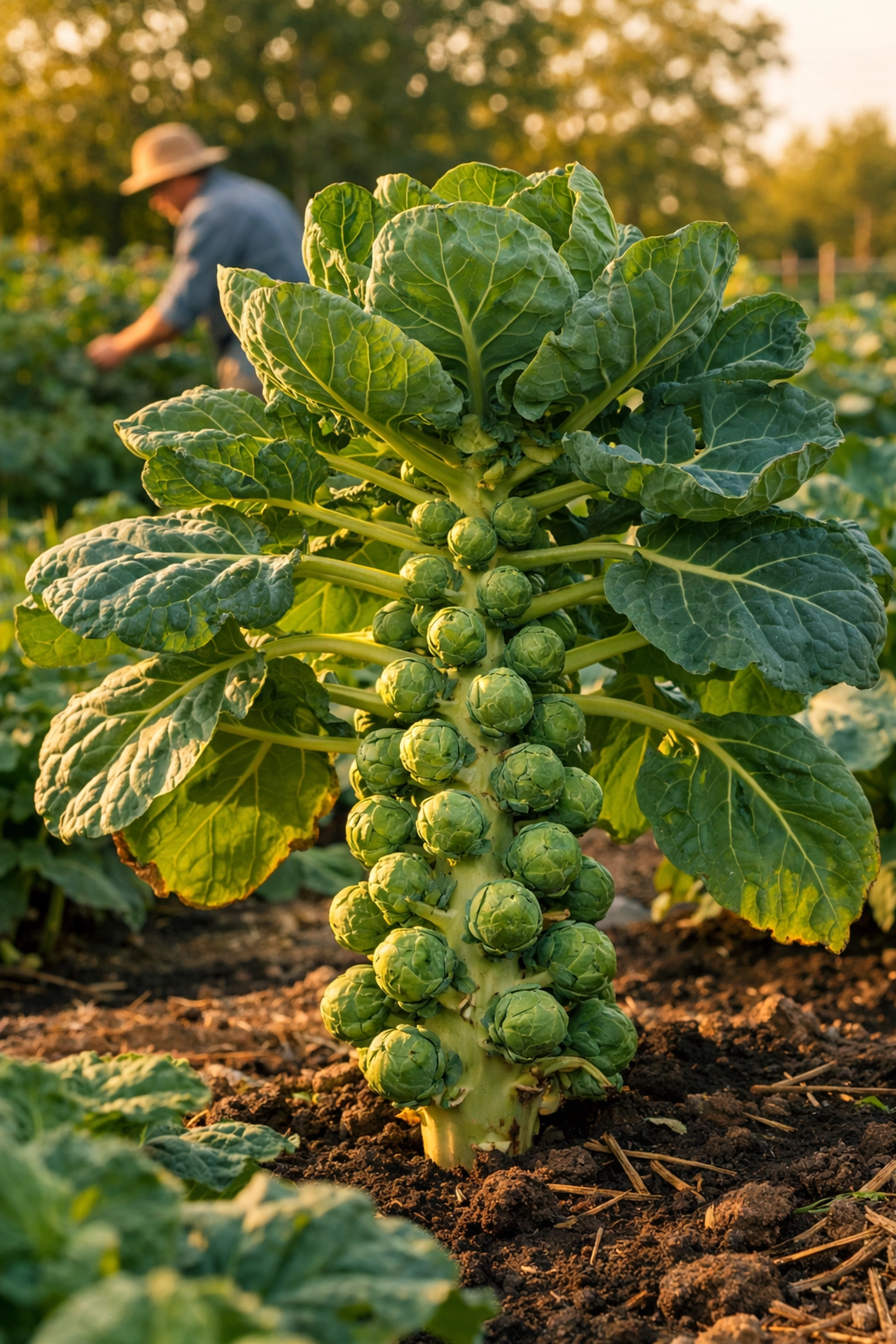
After months of care, the magic finally happens. Sprouts develop from the bottom of the stalk upward, so you'll harvest the lowest ones first. They're ready when they reach 1-2 inches in diameter and feel firm and tight.
Here's a harvest tip that took me years to learn: a light frost actually improves the flavor of Brussels sprouts, making them sweeter and less bitter. If your climate allows, wait until after the first frost to begin harvesting. The cold triggers the plant to convert starches into sugars as a survival mechanism, and you reap the delicious benefits.
Twist each sprout off the stalk or cut it with a sharp knife. The plant continues producing new sprouts at the top as you harvest from the bottom, extending your harvest period for weeks.
The Journey Makes the Meal
Growing Brussels sprouts from seed isn't for gardeners seeking instant gratification. This is a long game, a commitment to nurturing life through an entire growing season. But when you finally sit down to a meal of Brussels sprouts you grew from tiny seeds, roasted with a bit of olive oil until they're crispy on the outside and tender inside, you'll understand why patient gardeners consider this one of their greatest rewards.
The journey from seed to harvest teaches us valuable lessons about timing, care, and the rewards of sustained effort. Each Brussels sprout on your plate represents months of growth, and that's something worth celebrating. Whether you're a seasoned gardener looking to expand your repertoire or a beginner ready to commit to a long-season crop, Brussels sprouts offer a uniquely satisfying growing experience.
So grab some quality heirloom seeds, clear some space in your garden, and embark on this patient gardener's journey. Your future self will thank you when that first frost-sweetened harvest arrives.