
In my years of growing peppers, I've learned that the Carolina Reaper isn't just about bragging rights at the farmers market. Sure, it holds the crown as the world's hottest pepper, but growing these fiery beauties is actually a rewarding journey that teaches patience, precision, and respect for the growing process. If you're ready to take on the challenge, let's walk through everything you need to know to successfully cultivate these scorchers from seed to harvest.
Starting Your Seeds the Right Way
The foundation of a healthy Carolina Reaper plant starts long before you see that first true leaf. Think of seed starting as laying the groundwork for a house: get it wrong, and everything else becomes exponentially harder.
Start your seeds indoors about 8-10 weeks before your last expected frost date. Carolina Reapers need a long growing season, and giving them this head start is non-negotiable in most climates. Use a quality seed-starting mix rather than garden soil. The difference matters more than you might think: seed-starting mix is lighter, sterile, and provides the perfect environment for those delicate first roots.
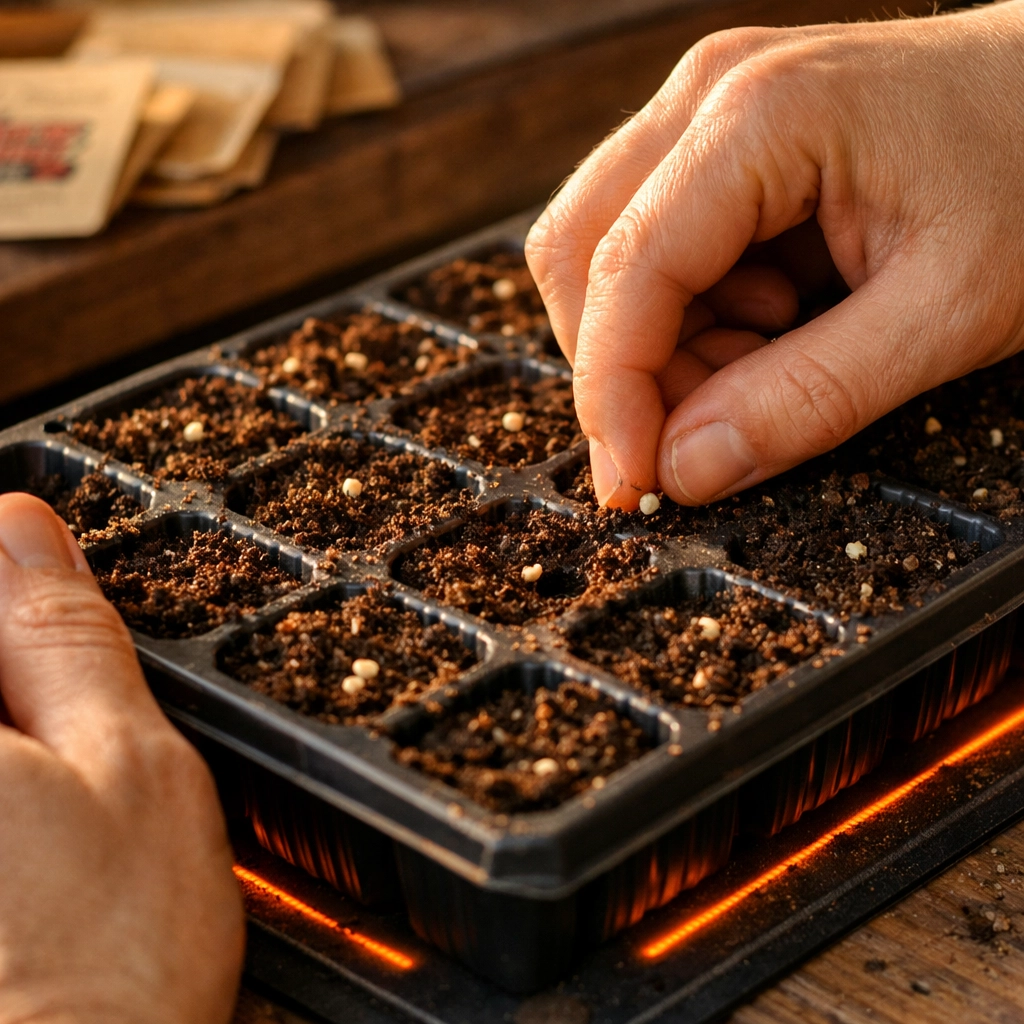
Here's a trick I've learned: pre-moisten your soil before planting. Squeeze a handful: it should clump together without dripping water. This "just right" moisture level prevents seeds from drowning or drying out during those critical first days. Plant 1-2 seeds per cell about a quarter-inch deep, and here's where things get interesting.
Heat is your best friend during germination. A seed heating mat set to around 80°F transforms your success rate. Without consistent warmth, Carolina Reaper seeds can take weeks to germinate or might not sprout at all. With proper heat, you'll typically see those first green shoots breaking through in 7-10 days. It's like watching magic unfold in slow motion.
One more crucial tip: resist the urge to constantly check your seeds. Every time you lift that humidity dome or lid, you're letting precious heat escape. Give your trays fresh air once daily by fanning them out, but otherwise, let them do their thing in peace.
Light and Temperature: The Dynamic Duo
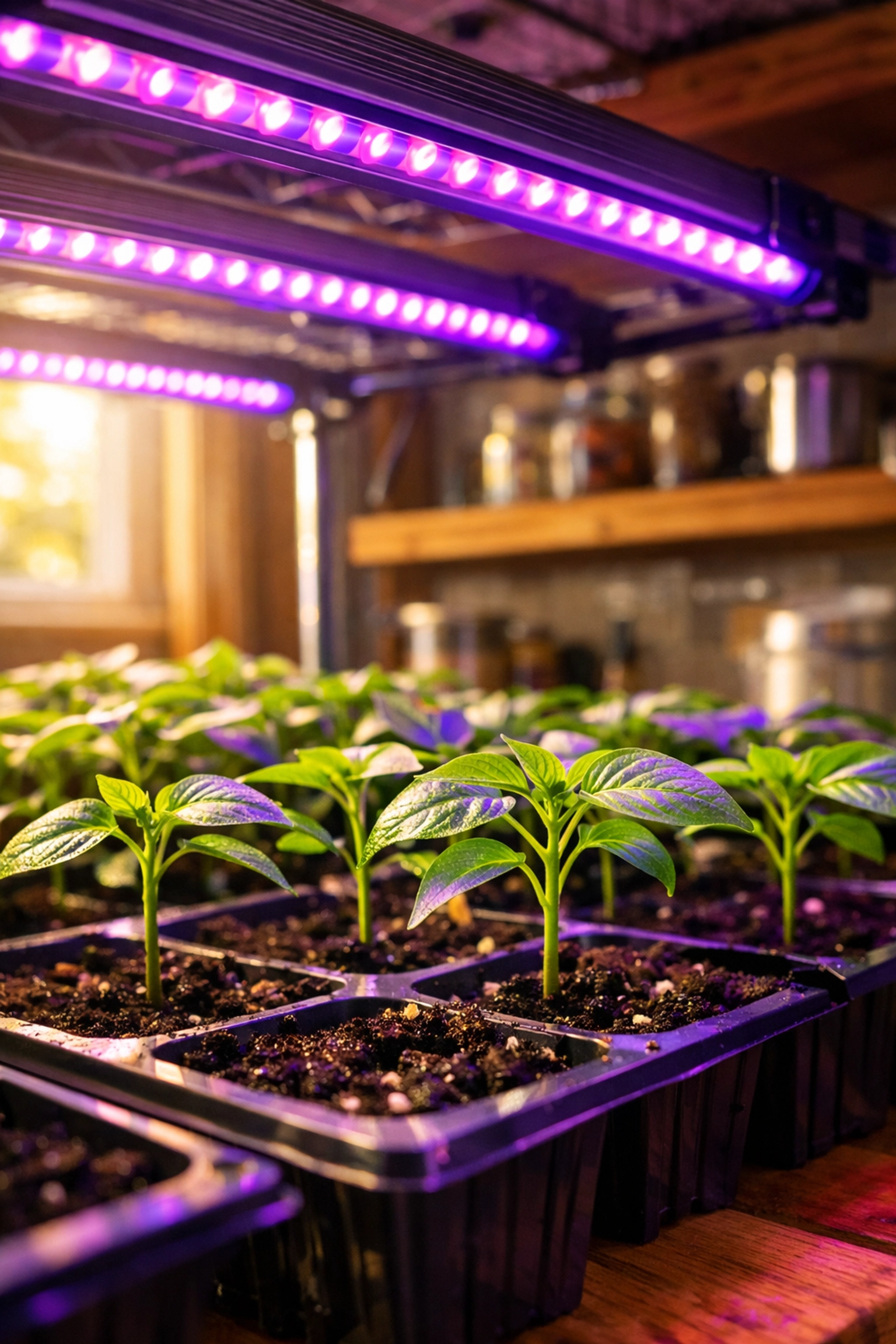
Once your seedlings emerge, the game changes. Those little green warriors need serious light: and I mean serious. Carolina Reapers demand at least 8-10 hours of direct sunlight daily for optimal growth and eventual fruiting. If you're growing indoors or starting seeds early in the season, natural window light won't cut it.
Invest in a decent grow light setup. Position your lights about 15-18 inches above the leaves and run them at around 50% brightness. Too close, and you'll stress the plants. Too far, and they'll stretch toward the light like they're reaching for the stars, resulting in weak, leggy seedlings.
Temperature control remains critical even after germination. These plants thrive in warmth: between 70-90°F is their sweet spot. If you live in a cooler climate, don't despair. Container growing lets you move plants to the warmest, sunniest spots around your property. I've seen growers successfully cultivate Reapers on south-facing patios, in greenhouses, and even against heat-retaining brick walls.
Soil That Works as Hard as You Do
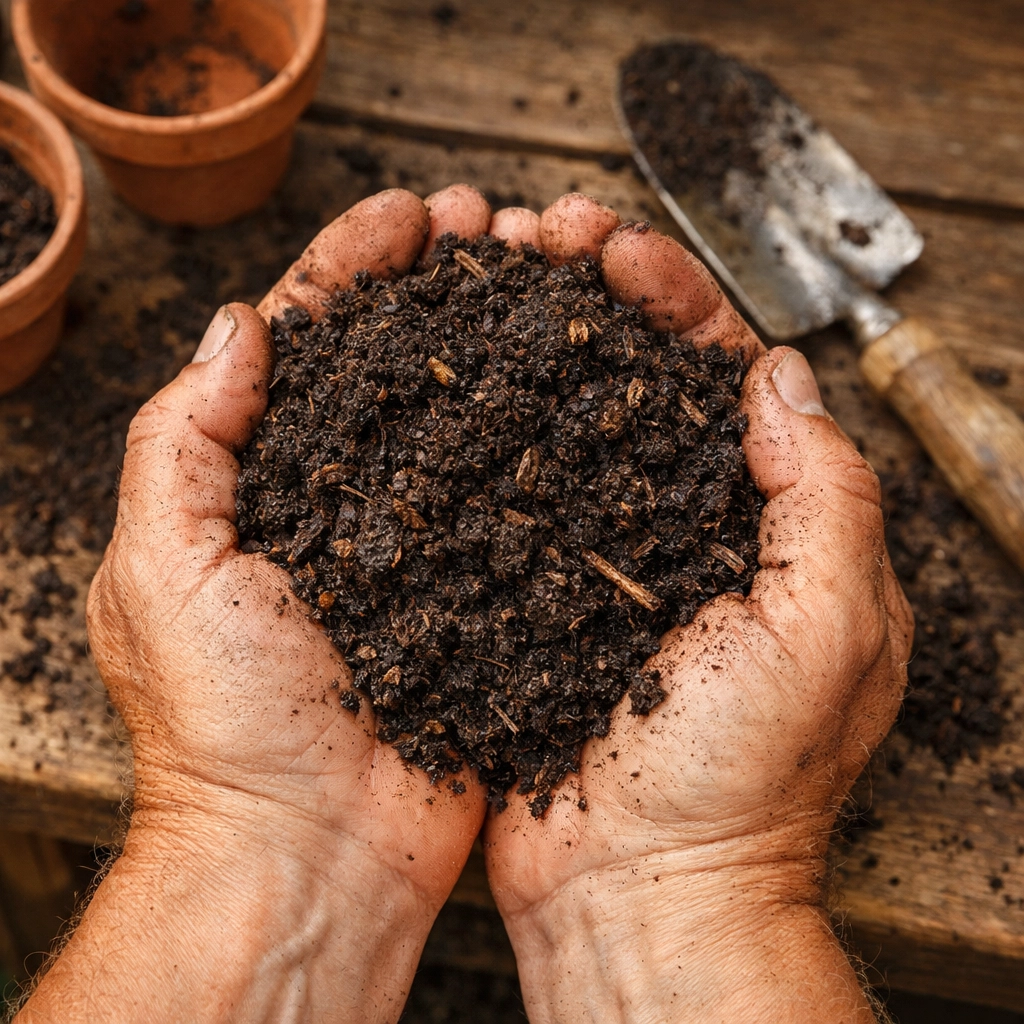
The right soil mixture can make or break your Carolina Reaper growing experience. These plants need well-draining soil with a pH between 6.0 and 7.0. Think loose, rich, and alive with organic matter.
Start with a quality potting mix and enrich it with compost. The organic matter feeds beneficial soil microbes, improves drainage, and provides a slow-release nutrient source that synthetic fertilizers can't match. Your soil should drain quickly but still retain enough moisture to keep roots happy between waterings.
Speaking of watering: this is where many growers stumble. Carolina Reapers like consistent moisture, but they absolutely hate wet feet. Water when the top inch of soil feels dry to the touch. Aim for about 2 inches of water per week, adjusted for your climate and container size. During the seedling phase, a mist gun works beautifully for keeping soil damp without creating sogginess that leads to damping off disease.
Overwatering causes more pepper plant deaths than any pest or disease. Root rot sneaks up quietly, and by the time you notice yellowing leaves and wilting, significant damage has already occurred. When in doubt, err on the side of slightly dry rather than wet.
The Art of Transplanting
As your seedlings develop their first true leaves (the ones that look like actual pepper leaves, not those initial rounded cotyledons), it's time to give them more space. Start with 3x3 inch pots, then graduate to 12x12 inch containers as the plants mature. Carolina Reapers can grow quite large: up to 5 feet tall and 4 feet wide: so don't skimp on final container size.
Here's a transplanting mistake I see constantly: burying the stem too deep. Unlike tomatoes, pepper plants don't benefit from deep planting. Keep the stem at the same height it was in its previous container. Burying it deeper invites stem rot and doesn't provide any advantages.
Pre-moisten your new potting soil before transplanting. Dry soil is hydrophobic: it actually repels water initially: so pre-moistening ensures your newly transplanted seedling can immediately access moisture without sitting in overly wet conditions while the soil slowly absorbs water.
Handle those delicate roots gently. I like to water seedlings thoroughly an hour before transplanting. This helps the root ball hold together and minimizes transplant shock. After transplanting, place plants in a shaded spot for a day or two before gradually reintroducing them to full sun.
Feeding Your Fire Breathers
Carolina Reapers don't need much fertilizer early on: in fact, feeding them too soon can cause more harm than good. During the seedling stage, the nutrients in your seed-starting mix and potting soil provide everything the plant needs.
Once flowering begins, that's your cue to start feeding. Switch to a fruit and vegetable fertilizer or tomato feed, applied every two weeks. Mix about half a cup of balanced organic fertilizer into the soil beneath each plant during transplanting, then supplement with liquid feeds as the season progresses.
I'm a fan of adding seaweed extract to my fertilizing routine once flowering kicks in. It provides trace minerals and seems to improve overall plant vigor. Remember, though: more isn't better. Overfed pepper plants produce gorgeous foliage but disappointing fruit yields. Balance is everything.
The Waiting Game: Growth and Maturation
Here's where patience becomes your greatest virtue. Carolina Reapers take roughly 90 days from transplanting to reach sexual maturity and begin setting fruit. That's three months of watching, watering, and waiting. The fruit itself then requires another 90-100 days to ripen fully.
During this time, you can encourage bushier growth by pinching off branch tips. This redirects the plant's energy into lateral growth, creating more branching and ultimately more sites for fruit production. Remove any damaged or diseased leaves promptly: they're just energy drains at that point.
Watch for the first flowers with excitement. Those delicate white blooms are the promise of future fire. In most climates, some hand pollination with a small brush can improve fruit set, though outdoor plants usually get plenty of help from wind and insects.
Your Journey Into Extreme Heat
Growing Carolina Reapers isn't for the impatient gardener, but the rewards go far beyond just having the world's hottest pepper in your garden. There's something deeply satisfying about nurturing a plant from a tiny seed through months of growth to that moment when you finally harvest your first wrinkled, scorpion-tailed pod.
Start with quality heirloom seeds, provide consistent warmth and light, water thoughtfully, and feed strategically. The Carolina Reaper will reward your careful attention with an unforgettable harvest. Just remember: when handling these peppers, gloves aren't optional, and whatever you do, don't touch your face. Trust me on that one.