
In my years of growing superhot peppers, I've learned that ghost peppers (Bhut Jolokia) have a reputation that precedes them. They're not just about the heat - though at over 1 million Scoville units, they definitely bring the fire. These peppers are rewarding to grow when you understand what they need, but they'll test your patience and dedication along the way.
Think of ghost peppers as the marathon runners of the pepper world. They need a long growing season, consistent care, and the right conditions from day one. But when you bite into your first home-grown ghost pepper (carefully, I hope), you'll understand why so many gardeners become obsessed with these fiery beauties.
Starting From Seed: Patience Is Your Best Friend
Ghost peppers take their sweet time getting started. We're talking about 35 days for germination - that's over a month just waiting for those first little leaves to peek through the soil. Start your seeds indoors at least 8 weeks before your last expected frost date, though I usually give myself 10 weeks just to be safe.
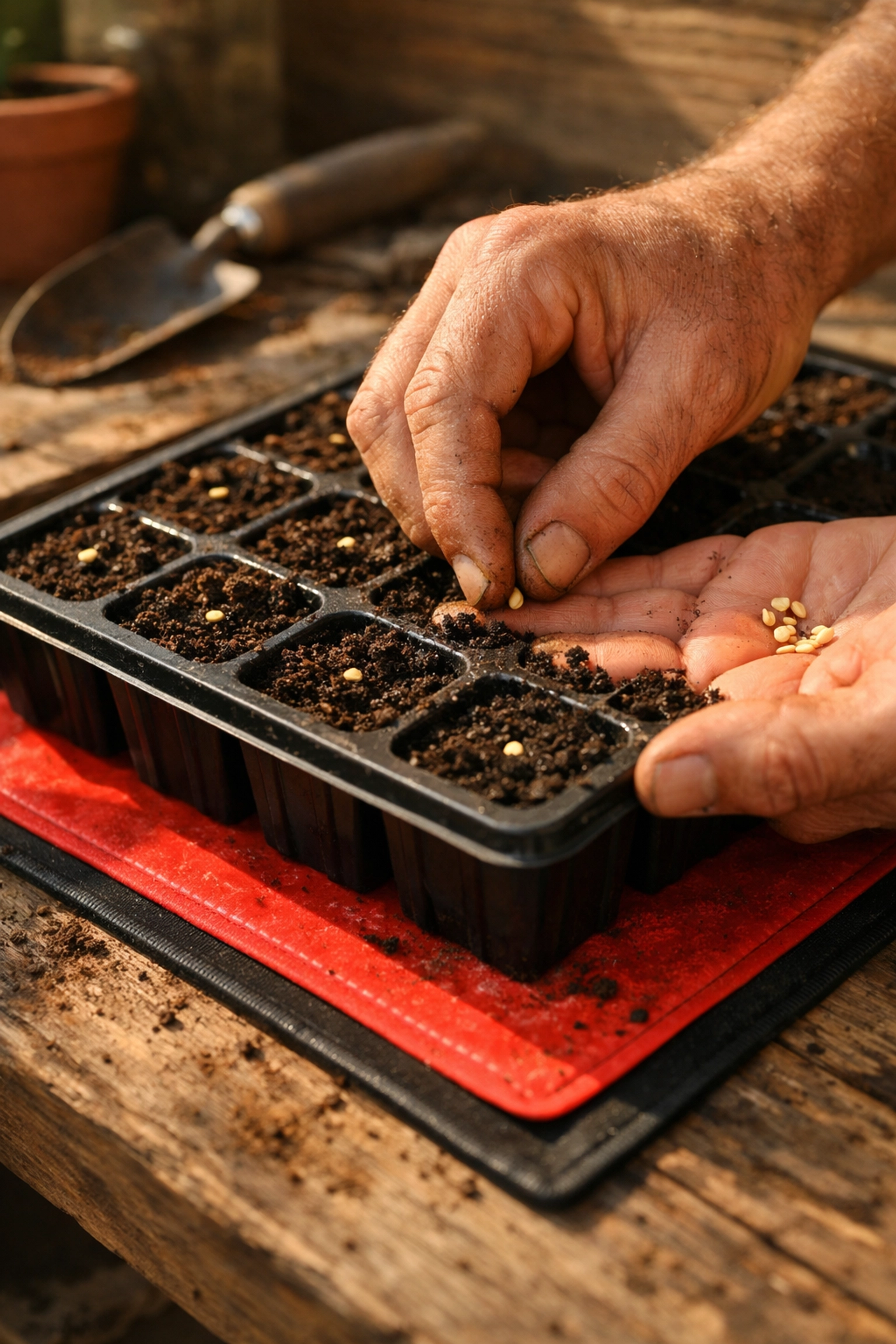
Here's the critical part: temperature matters more than almost anything else at this stage. Your seeds need consistent warmth between 80-90°F to germinate successfully. Without that warmth, they'll just sit there in the soil doing absolutely nothing, or worse, they'll rot.
I keep a seedling heat mat running 24/7 under my seed trays. It's one of those investments that pays for itself the first time you successfully germinate a batch of superhots. If you don't have a heat mat, get creative - the top of your refrigerator, near a heat vent, or even a sunny windowsill can work if the ambient temperature is warm enough.
Before planting, try this trick that's boosted my germination rates considerably: soak your seeds in a 1% hydrogen peroxide solution for about one minute. This softens the seed coat and helps prevent fungal issues. Rinse them off and plant them right away.
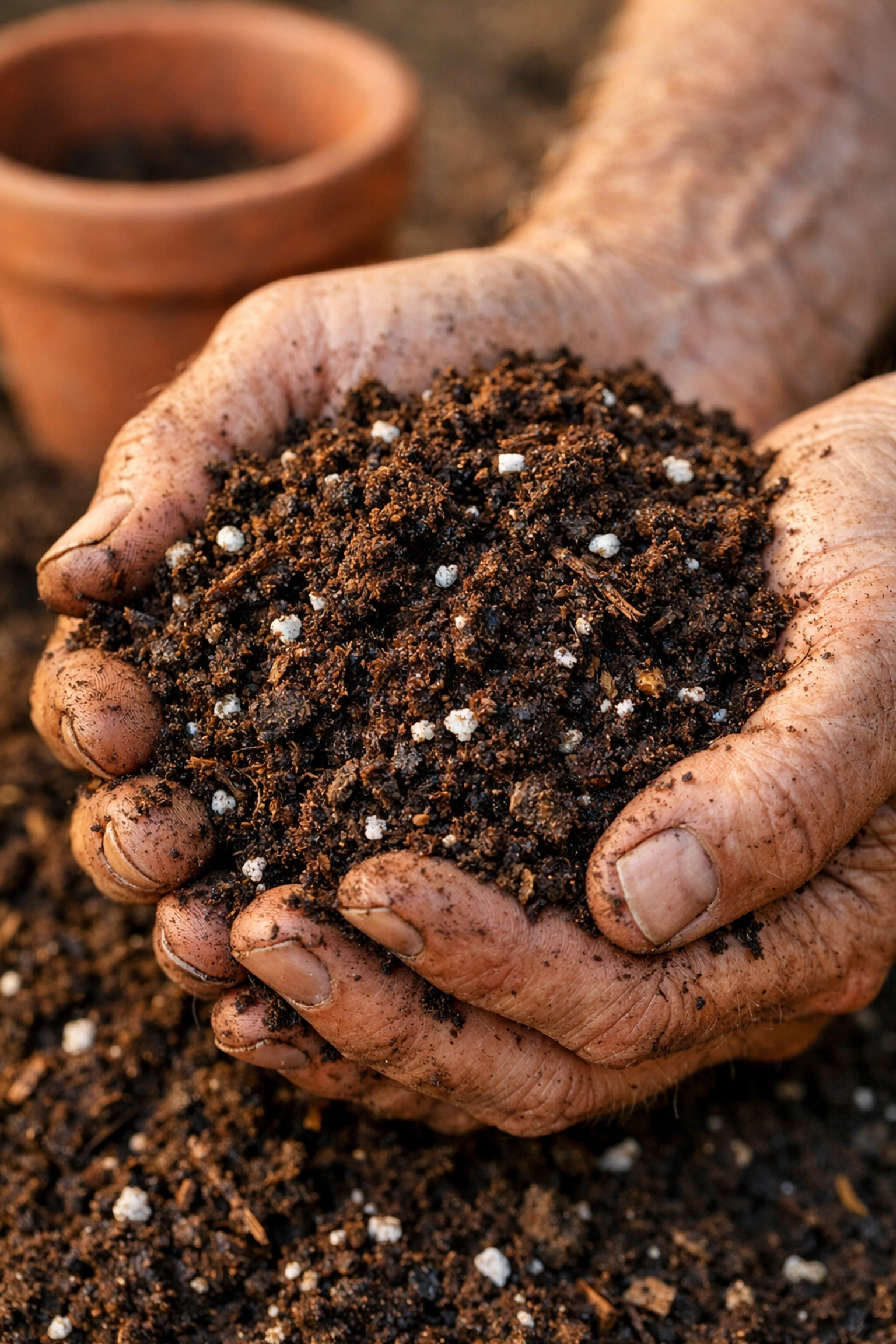
Plant your seeds about 1/4 inch deep in a light, fluffy seed-starting mix. I use a blend with peat moss, perlite, and vermiculite - it stays moist without becoming waterlogged. Pre-moisten the mix before planting, then cover your trays with plastic wrap or a humidity dome to keep moisture consistent.
The Soil Situation
Once your seedlings have their first true leaves (the ones that come after those initial rounded baby leaves), it's time to think about upgrading their home. Switch from seed-starting mix to a quality organic potting mix that has actual nutrients.
For outdoor planting later, ghost peppers prefer well-drained, loamy soil with a pH between 6.0 and 6.8. They're not picky about being in the exact middle of that range, but if your soil is too acidic or alkaline, they'll struggle to absorb nutrients properly.
One soil blend I've had great success with for container growing combines 70% silt loam with 30% quality potting soil, plus 2 tablespoons of Epsom salt per batch. The Epsom salt provides magnesium, which peppers absolutely love for healthy leaf development and fruit production.
Light: Don't Skimp Here
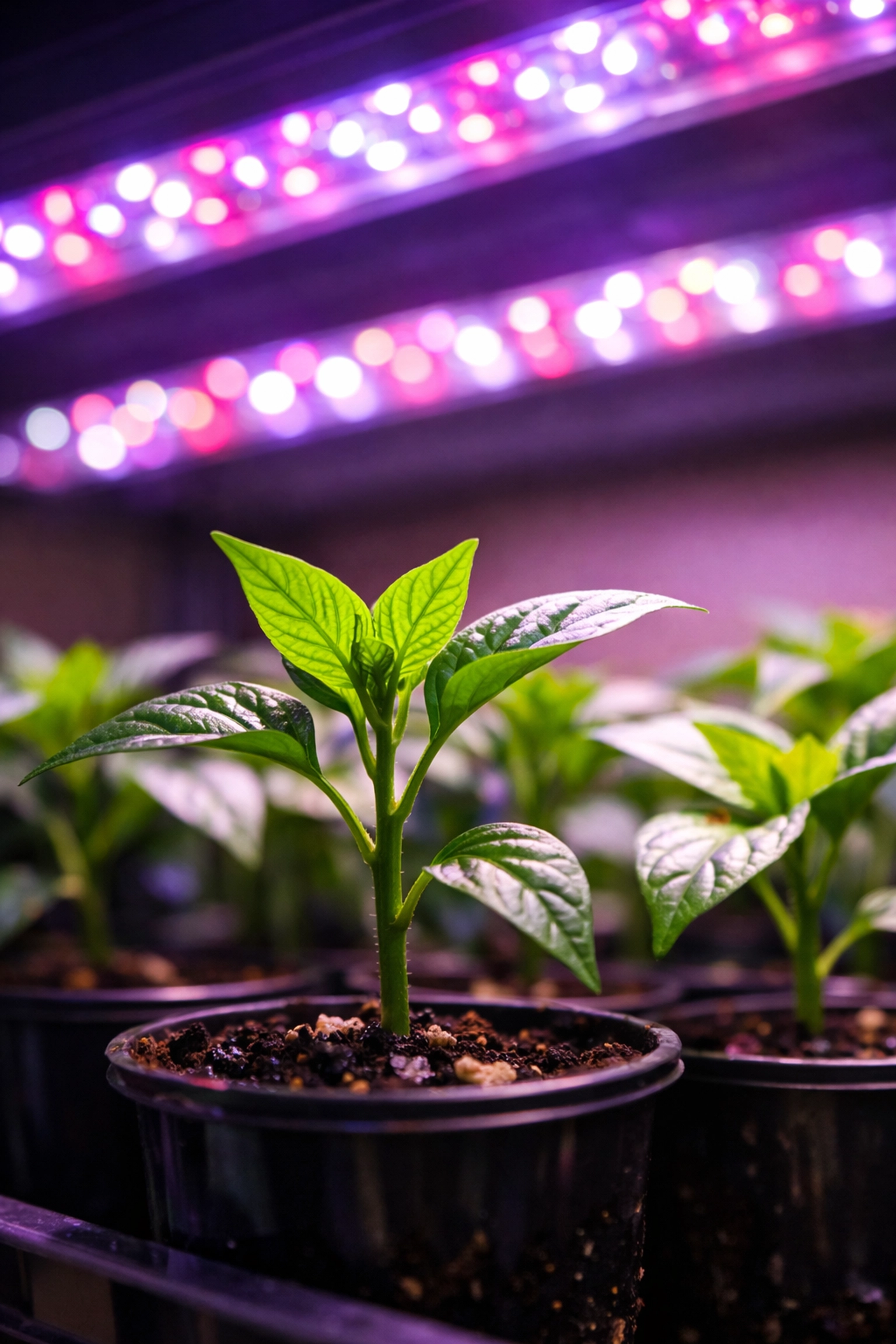
Your seedlings need serious light once they emerge. We're talking 12-16 hours of bright light daily. A sunny south-facing window might work if you live somewhere with intense sunlight, but most indoor environments don't provide enough light on their own.
Without adequate light, your seedlings will stretch and become leggy, developing weak stems that can't support healthy growth. I learned this the hard way my first year growing peppers indoors. The seedlings looked terrible - all tall and spindly, falling over at the slightest breeze.
If you're investing in grow lights, position them 2-4 inches above your seedlings and raise them as the plants grow. LED grow lights work beautifully and don't generate the excess heat that older bulb types do.
Watering: The Goldilocks Approach
Here's where many first-time ghost pepper growers run into trouble. Overwatering during the germination and seedling stages is the number one killer of young pepper plants. I've seen more seedlings lost to soggy soil than any pest or disease.
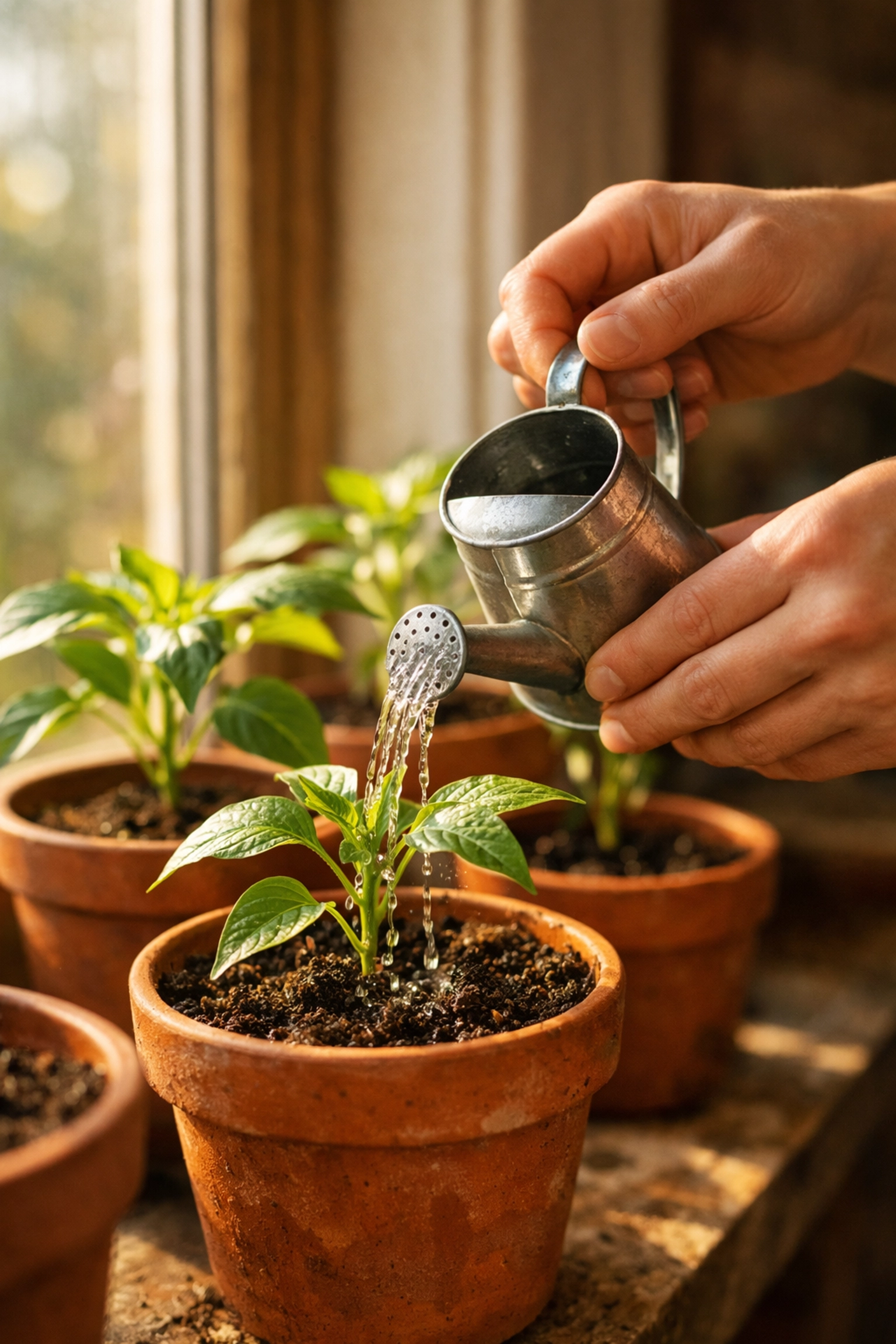
Water only when the soil surface feels dry to the touch. Stick your finger about half an inch into the soil - if it feels damp, hold off on watering. If it's dry, water thoroughly until it drains from the bottom of your container, then don't water again until the surface dries out.
If you've overwatered and notice the soil is staying waterlogged, remove any drainage plugs and let excess water escape. Consider repotting if the problem persists - it's better to disturb the roots slightly than to let them sit in water.
As your plants mature and start producing peppers, they'll need more consistent moisture. Keep the soil evenly moist but never soggy during the fruiting stage.
Feeding Your Fire-Breathers
About a week after your seedlings emerge, start feeding them. Seed-starting mix typically contains zero nutrients - it's designed to be sterile. Use a balanced, water-soluble fertilizer at quarter strength initially, then gradually increase to half strength as the plants grow.
Once your plants are established and growing vigorously, switch to a fertilizer slightly higher in phosphorus and potassium (the P and K in NPK ratings). This supports flowering and fruit development rather than just leafy growth.
Transplanting Time
When your seedlings have developed a good root system and reach 3-4 inches tall, they're ready to move into larger containers. If you gently tip the plant out of its container and see roots circling the bottom, that's your sign.
Here's a technique that works wonders: bury the stem deeper than it was in the seed tray. Ghost pepper plants (like tomatoes) can develop roots along buried stem portions, creating a stronger root system overall.
When watering newly transplanted seedlings, water around the edges of the pot rather than directly at the stem. This encourages roots to spread outward searching for moisture, building a more robust root system.
Moving Outdoors: Timing Is Everything
Ghost peppers absolutely need warm weather to thrive. Don't even think about moving them outside until nighttime temperatures consistently stay above 60°F, and daytime temperatures reach at least 75-85°F. These plants are native to northeastern India, where it's hot and humid - they want that tropical feel.
If you're growing in cooler climates, consider keeping your ghost peppers in containers that you can move indoors on chilly nights. They need a growing season longer than three months to produce ripe peppers, so if your summer is short, you might need to bring them inside before frost hits.
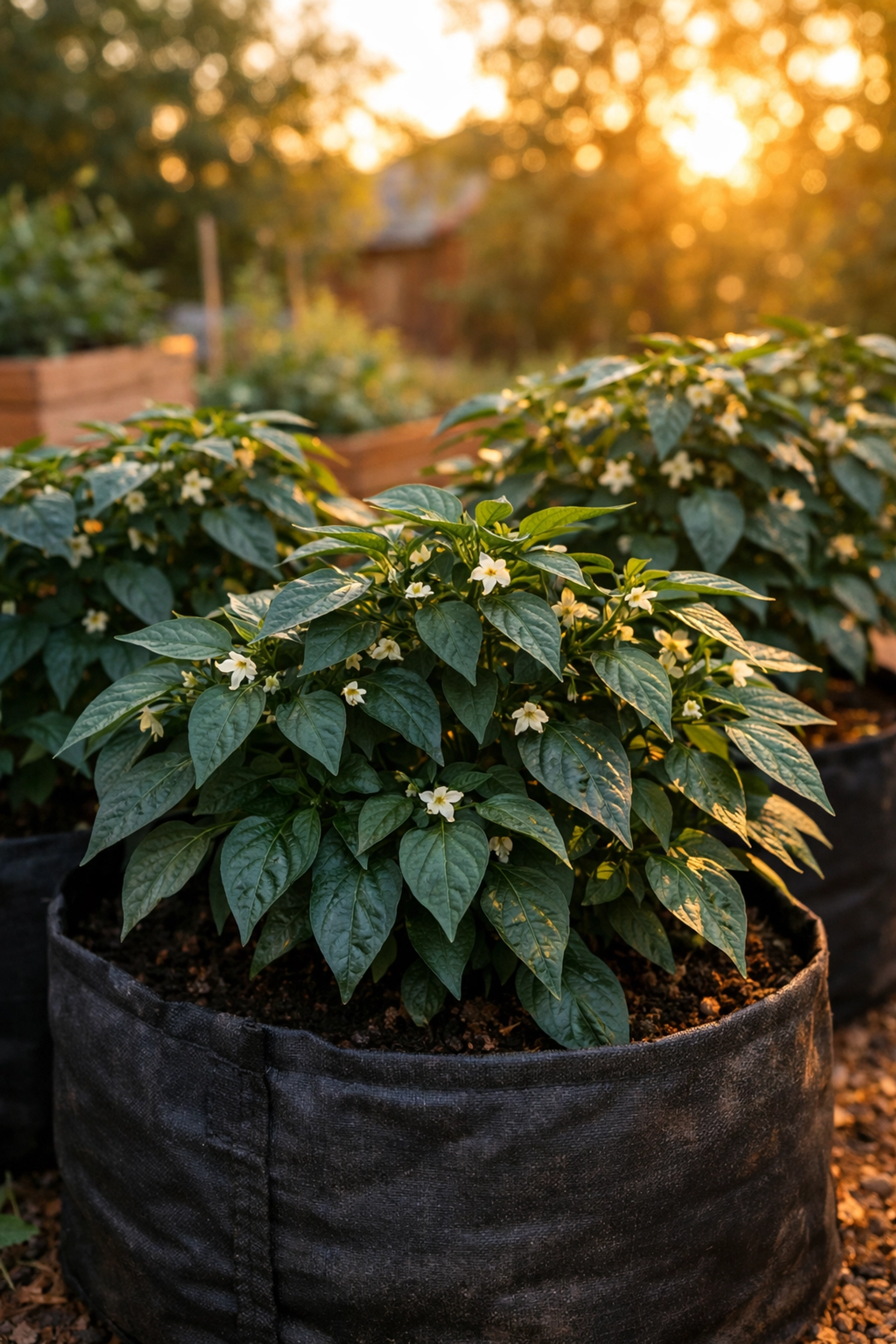
Space outdoor plants 24-36 inches apart. Ghost peppers can reach 3-5 feet tall and equally wide in ideal conditions, so they need room to spread out. In containers, expect them to stay slightly more compact at around 3 feet.
Raised beds work particularly well for ghost peppers in areas with cooler soil temperatures. The elevated soil warms up faster in spring and stays warmer throughout the growing season.
Flowers, Pollination, and Finally - Peppers
When your plants develop dark green, healthy leaves and start forming buds, you're getting close to the reward. Ghost pepper flowers are small and white, appearing at the joints where leaves meet stems.
If you're growing indoors or in an area without many pollinators, hand pollination ensures fruit set. Use a small paintbrush or cotton swab to gently transfer pollen from flower to flower. Do this in the morning when flowers are freshly opened.
From flower to ripe pepper takes another 90-120 days, so patience remains essential. Ghost peppers start green and ripen to red, orange, yellow, or chocolate brown depending on the variety. Quality ghost pepper seeds from reliable sources give you the best chance of success.
The Bottom Line
Growing ghost peppers isn't for the impatient gardener, but it's absolutely achievable if you provide consistent warmth, proper light, careful watering, and enough time. These plants reward dedication with prolific harvests of seriously hot peppers that taste incredible once you get past the initial burn.
Start early, keep things warm, don't overwater, and remember that good things come to those who wait. Your future self will thank you when you're harvesting armfuls of ghost peppers come late summer.