
Growing ghost peppers in containers might sound intimidating, but I've learned over the years that it's completely doable: even if you're working with limited space on a balcony or patio. These super-hot beauties (also known as Bhut Jolokia) come from northeastern India, and they've earned their reputation as one of the world's hottest peppers. The trick is understanding what makes them tick and giving them the environment they crave.
Let me walk you through everything you need to know to grow thriving ghost pepper plants in pots.
Why Container Growing Works for Ghost Peppers
Container growing offers apartment dwellers and gardeners with limited space a real advantage. You can control the soil quality, move plants if needed (though I'll warn you about doing this too often), and keep these heat-loving plants in the warmest spots on your property. The challenge? Ghost peppers are notoriously sensitive to environmental changes, so you'll need to pay close attention to temperature, humidity, and watering.
Choosing the Right Container Size
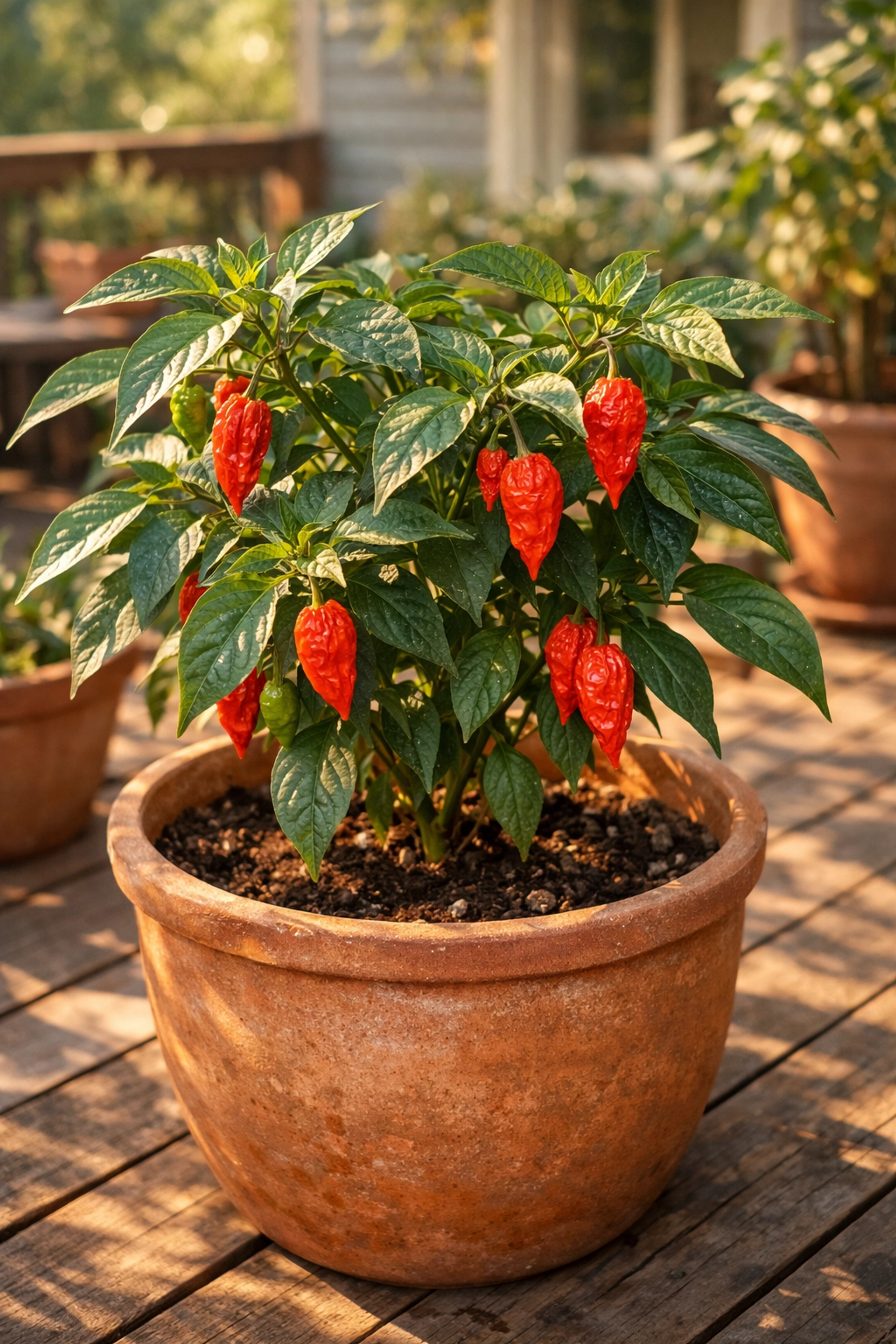
Start with at least a 3-gallon container, though 5 gallons is ideal for mature plants. I've found that skimping on pot size leads to stunted growth and disappointing harvests. Your ghost pepper plant will eventually reach about 4 feet tall at maturity, and it needs room for a robust root system to support all that growth.
If you're starting from seeds (which I recommend for the full experience), you can begin in smaller seed trays and transplant into progressively larger containers as the seedlings develop. Once your seedlings reach about 3 inches tall with roots reaching the bottom of the tray, it's time to move them into their bigger home.
The most critical factor? Drainage. Make absolutely sure your container has multiple drainage holes at the bottom. Ghost peppers despise waterlogged roots, and poor drainage is one of the fastest ways to kill an otherwise healthy plant.
Soil Requirements: Light and Loamy
Use loamy, well-draining organic potting soil with a pH between 6.0 and 6.8. Never use regular garden soil or in-ground soil in containers: it's too heavy and restricts drainage, which can suffocate the roots.
For seed starting, I always use a specialized seed starting mix. This light, fluffy medium containing peat moss, perlite, and vermiculite gives those tiny seeds the perfect environment to germinate. Once you transplant, switch to quality potting soil that holds moisture without becoming waterlogged.
Temperature and Heat: The Deal-Breaker
Here's where ghost peppers get picky. These plants evolved in the hot, humid climate of northeastern India, and they won't forgive you for exposing them to cold temperatures.
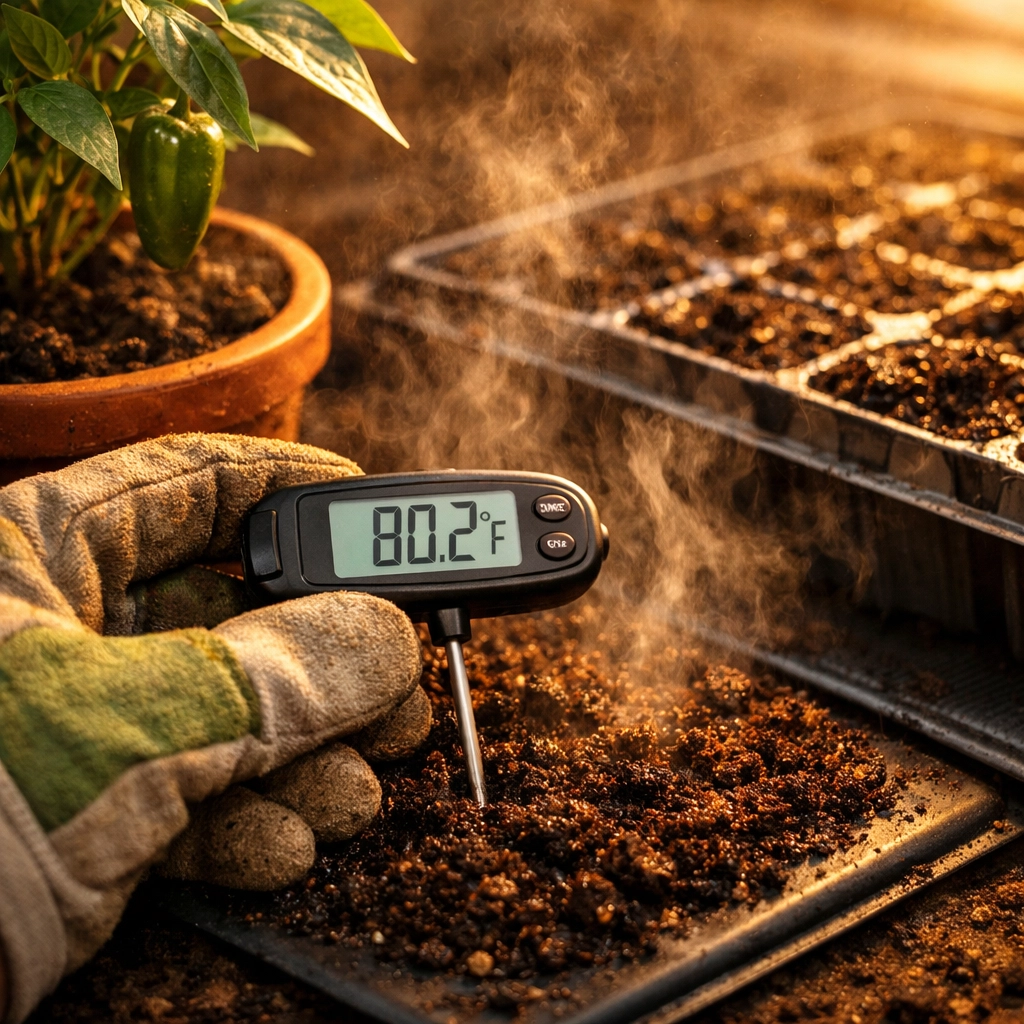
Keep outdoor temperatures at a minimum of 70°F (21°C), though 73°F (23°C) is better for optimal health. The ideal outdoor range sits between 75-85°F. If you live in a climate where temperatures regularly dip below this, you'll need to grow your ghost peppers indoors or wait until summer to move them outside.
And here's something many beginners don't realize: the hotter and more humid, the better. Ghost peppers thrive in intense humidity that mirrors their native environment. If you live in a dry climate, consider misting your plants regularly or placing a humidity tray nearby.
One crucial tip I've learned the hard way: avoid moving your plants frequently. Ghost peppers are sensitive to environmental shifts, and repeated relocation can cause irreparable damage. Once you find a good spot, commit to it.
Germination: Patience is Your Friend
Ghost pepper seeds are notoriously slow to germinate. We're talking up to 35 days in warm soil. Don't panic if you don't see sprouts after a week or two: this is completely normal.
To maximize your germination success:
- Maintain soil temperatures between 80-90°F (27-32°C) using a seed heating mat
- Soak seeds in hydrogen peroxide for one minute before planting to increase germination rates
- Keep soil consistently moist but not waterlogged
- Start seeds 8 weeks before you plan to move plants to their final outdoor location
The seed heating mat is worth the investment. Without consistent warmth, germination rates plummet and you'll be waiting even longer for sprouts.
Watering: Consistency is Key
Keep the soil moist but not muddy. Ghost peppers appreciate consistent watering, and shocking them with extreme wet-dry cycles can stress the plants and reduce yields.
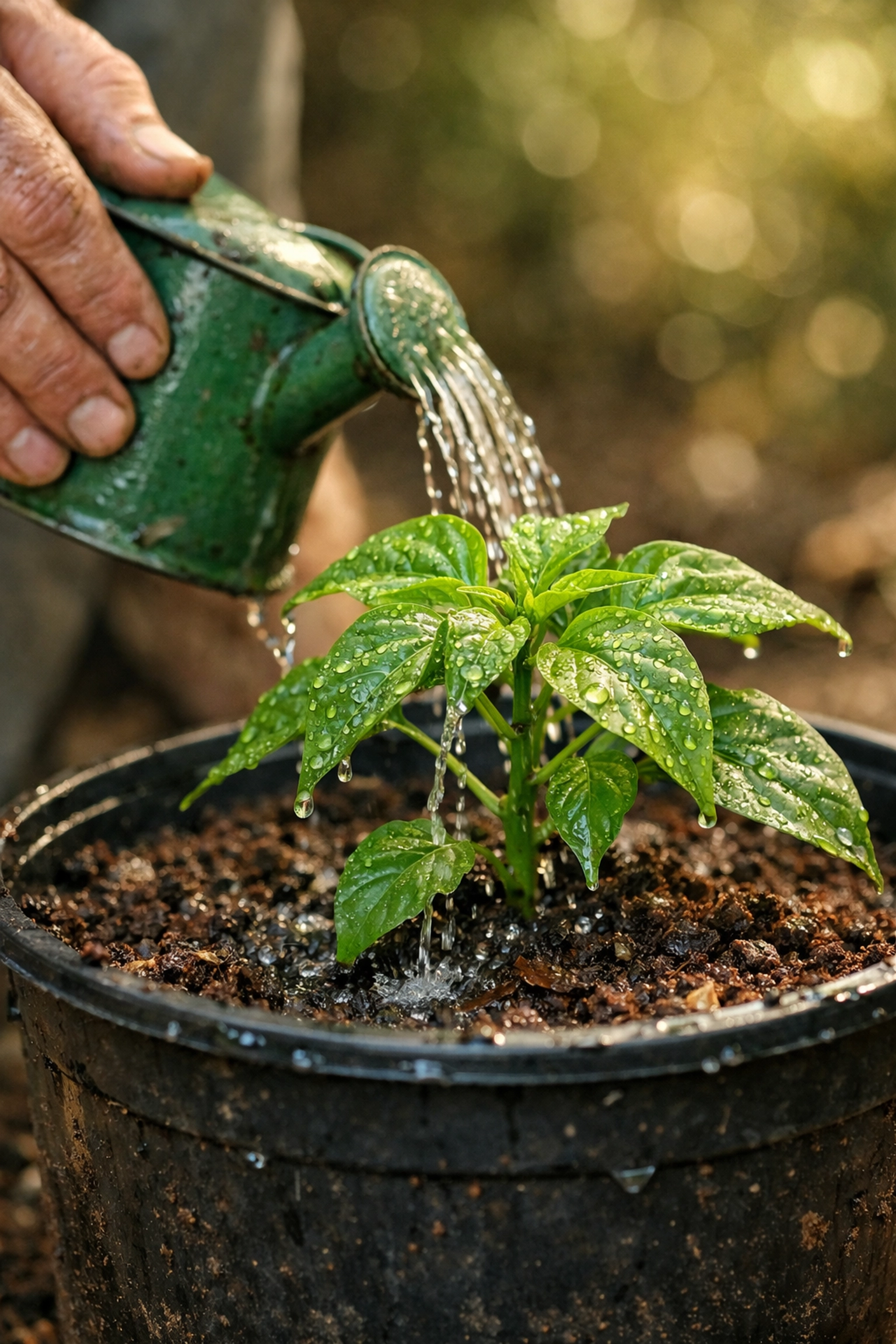
I check my containers daily during hot weather by sticking my finger about an inch into the soil. If it feels dry, it's time to water. In containers, plants dry out faster than in-ground gardens, so you'll likely need to water more frequently than you expect: sometimes even daily during peak summer heat.
Fertilizing for Maximum Heat
Apply fertilizer about one week after seeds sprout if you used unfertilized seed starting mix. For transplanted seedlings, fertilize at planting time, then apply fertilizer 2-3 more times during the growing season. Alternatively, use a controlled-release fertilizer at the beginning of the season for set-it-and-forget-it feeding.
Be cautious with fertilizer, though. Ghost peppers are sensitive to over-fertilization, which can lead to lots of leafy growth but fewer peppers. Follow package directions carefully and err on the side of less rather than more.
Transitioning Outdoors: Hardening Off Matters
Before moving seedlings outdoors permanently, harden them off for 1-2 weeks by gradually exposing them to direct sunlight. Start with just an hour of outdoor time in a shaded spot, then slowly increase exposure over the course of two weeks.
This process prevents transplant shock and sunburn, which can set your plants back significantly. Never move plants outdoors if there's any risk of frost: freezing temperatures will devastate ghost peppers.
Timeline to Harvest: The Long Game
Ghost pepper plants typically produce fully developed, ripe peppers in approximately 4 months from transplanting, though some cases require up to 6 months. This is a long growing season, which is why starting seeds indoors is crucial in most climates.
Ripe ghost peppers typically measure 2.5-3.5 inches long and 1-1.2 inches wide. They'll change color from green to their final hue: usually red, orange, yellow, or chocolate brown depending on the variety. If you started with quality ghost pepper seeds, you should see consistent color and size at maturity.
The Payoff
Growing ghost peppers in containers requires patience, attention to detail, and respect for the plant's environmental needs. But when you harvest your first ripe pepper: one of the hottest on the planet, grown with your own hands: the satisfaction is unmatched. These plants reward careful tending with prolific yields of super-hot peppers that pack serious heat and unique flavor.
Start with the right container size, maintain consistent warmth and moisture, and resist the urge to fuss with your plants too much once they're established. Your future self (and your taste buds) will thank you.