There's something deeply satisfying about growing your own jalapenos from seed. Maybe it's the anticipation of watching those tiny seeds transform into sturdy plants loaded with glossy green peppers. Or perhaps it's knowing that the salsa you're making came from seeds you planted months ago. Either way, growing jalapenos is one of those rewarding gardening projects that delivers both beauty and flavor to your backyard.
I've been growing peppers for years, and jalapenos remain one of my absolute favorites. They're surprisingly forgiving for beginners, yet offer enough variety to keep experienced gardeners interested. Whether you're planning to make fresh salsa, pickle them for later, or simply enjoy their moderate heat in your favorite dishes, starting from heirloom seeds gives you the best flavor and the satisfaction of preserving genetic diversity in your garden.
Why Start with Heirloom Seeds?
Before we dig into the how-to, let's talk about why heirloom seeds matter. When you plant heirloom jalapeno seeds, you're growing varieties that have been passed down through generations, carefully selected for their flavor, adaptability, and reliability. These aren't your mass-produced hybrid seeds that might give you one good harvest but leave you unable to save seeds for next year.
Heirloom jalapenos tend to have more complex flavor profiles, better heat consistency, and that authentic taste you remember from your grandmother's garden or the local farmer's market. Plus, you can save seeds from your harvest to plant again next season, creating a sustainable cycle that gets better each year as the plants adapt to your specific growing conditions.
Starting Your Seeds Indoors
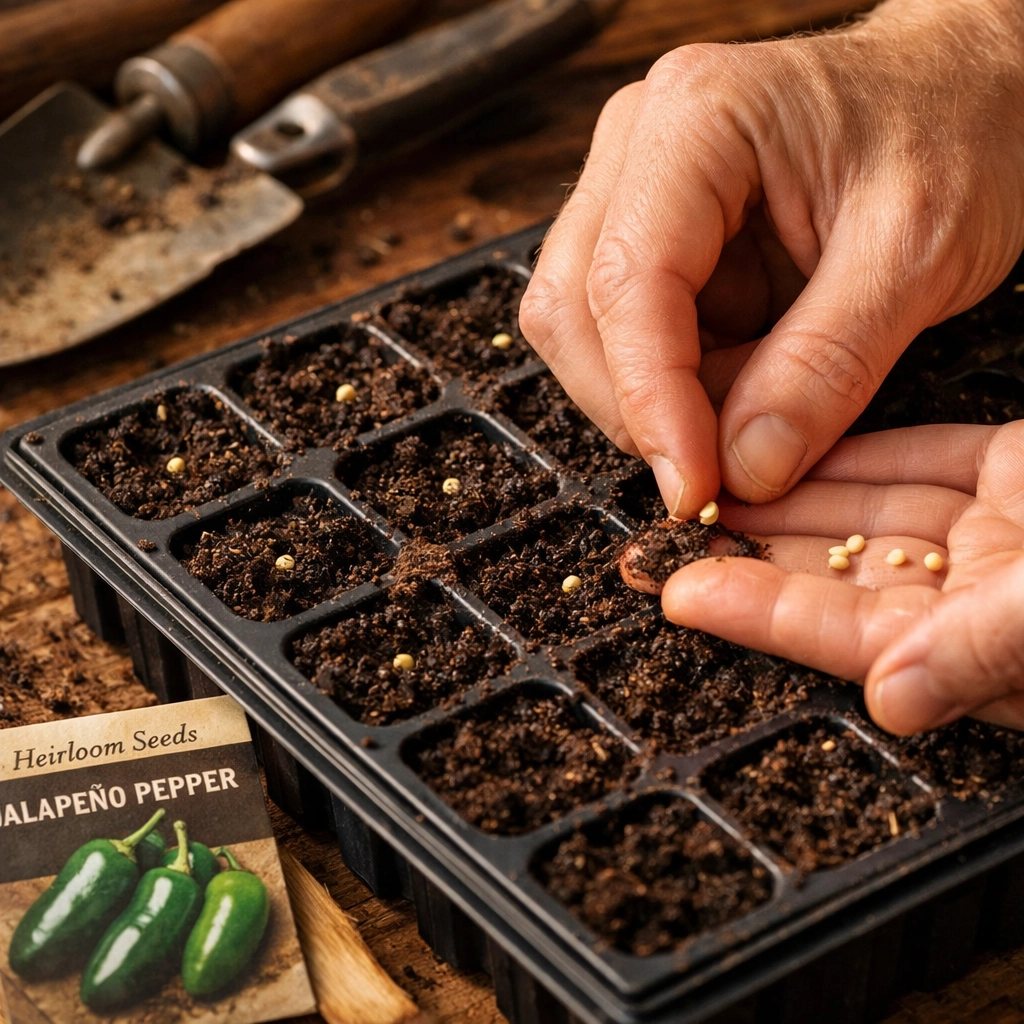
Jalapenos need a head start indoors unless you live in a climate with a very long growing season. The magic number here is 8 to 10 weeks before your last expected spring frost date. If you're not sure when that is, check your local hardiness zone or chat with fellow gardeners in your area.
Here's what you'll need to get started:
Seed Starting Mix: This is important, don't just grab regular potting soil. Seed starting mix is lighter and finer, designed specifically to give those tiny seeds the best chance at germination. Pre-saturate your mix before filling your seed trays. Nobody likes working with bone-dry soil that just floats everywhere.
Containers: Seed trays with cells work great, but you can also use small pots, egg cartons, or even yogurt cups with drainage holes poked in the bottom. Whatever you use, make sure water can drain out.
The Planting Process: Plant your seeds about 1/4 inch deep. I usually drop 3-4 seeds per cell because not every seed will germinate. You can always thin them out later, keeping only the strongest seedling in each spot.
The Heat is On: Germination Requirements
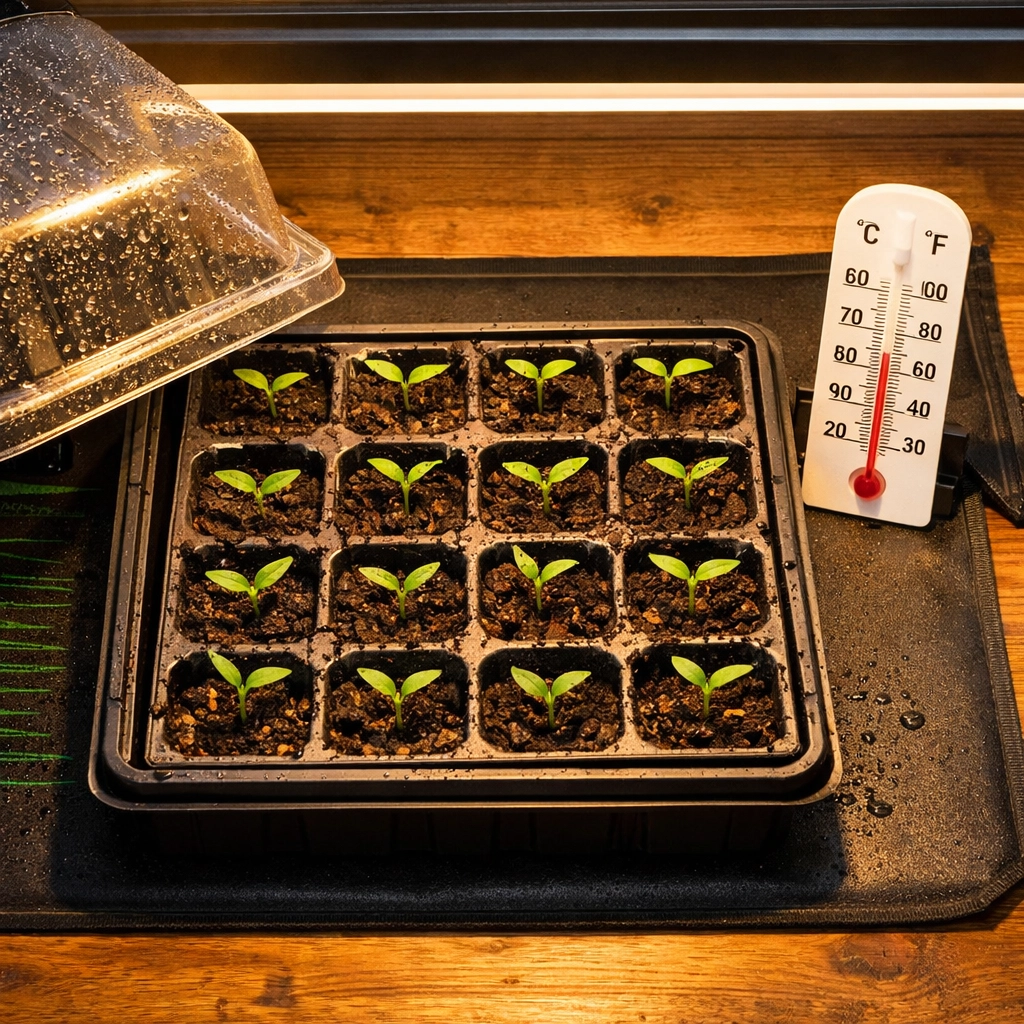
Now here's where many first-time pepper growers hit a snag. Jalapeno seeds are picky about temperature. They want warmth, and lots of it. While they'll eventually germinate in cooler conditions, the sweet spot for germination is between 80-85°F.
This is where a seedling heat mat becomes your best friend. Place your seed trays on the heat mat and cover them with a humidity dome or even plastic wrap to trap moisture and heat. This creates a little greenhouse effect that jalapeno seeds absolutely love.
Keep the soil consistently moist but not waterlogged. Think "damp sponge" rather than "swimming pool." Check daily, because that heat mat can dry things out faster than you might expect.
Patience is key here. Germination typically takes 14 to 21 days. Some seeds might pop up sooner, others might take their sweet time. Once you see those first green shoots breaking through the soil, remove the humidity dome and move your seedlings under grow lights or to the sunniest window you have, preferably one with southern or southwestern exposure.
Growing Strong Seedlings
Once your seedlings emerge, they'll need plenty of light to grow stocky and strong rather than tall and leggy. If you're using grow lights, keep them just a few inches above the seedlings and raise them as the plants grow. Natural sunlight works too, but you might need to rotate the trays daily so plants don't lean heavily toward the light.
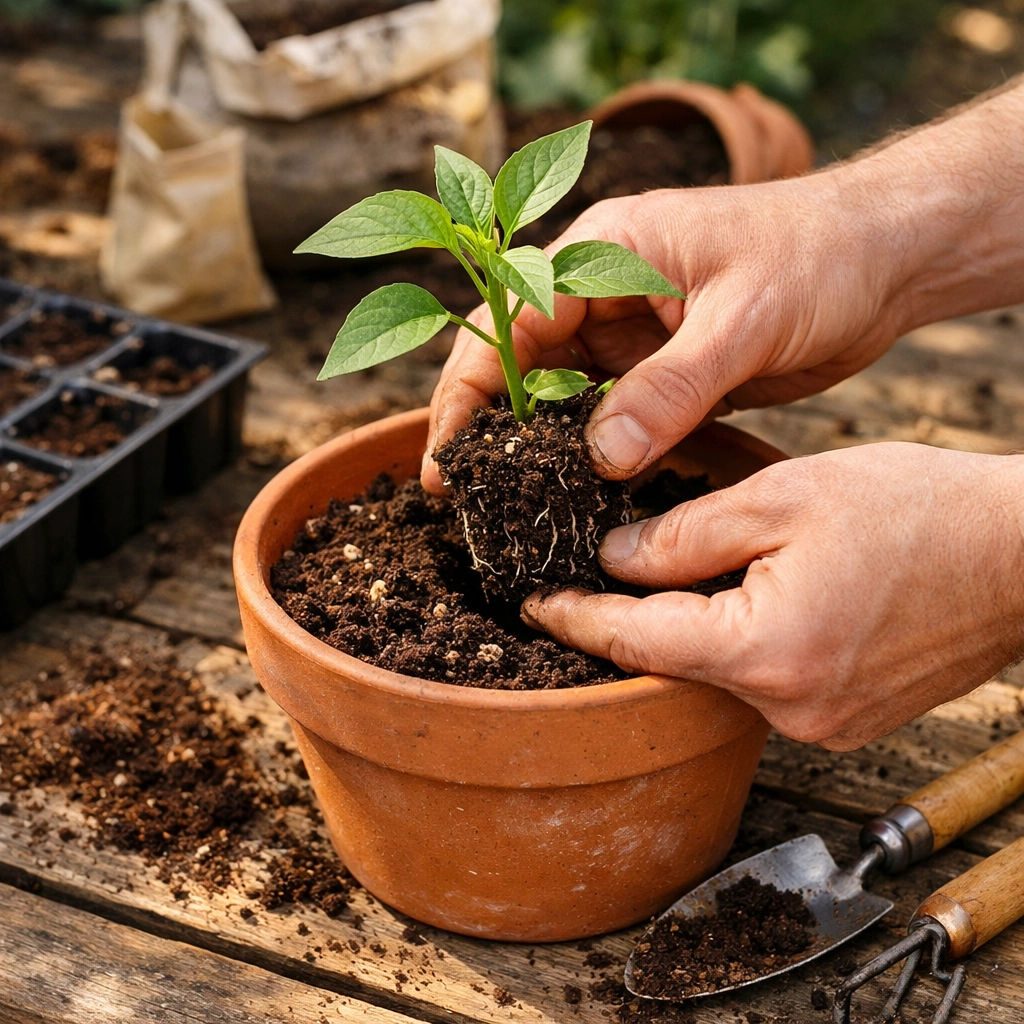
When your seedlings develop their first set of true leaves (the ones that look like actual pepper leaves, not the initial seed leaves), it's time to think about transplanting them into larger containers. I usually move mine into 4-inch pots filled with a quality potting mix. A good blend includes equal parts potting soil, compost, peat moss, and perlite, with a handful of organic fertilizer mixed in.
This transplanting step gives your jalapenos room to develop stronger root systems before heading outside. Water them in well after transplanting, and continue providing plenty of light.
Hardening Off: The Critical Transition
This step trips up a lot of gardeners, but it's crucial. You can't just take seedlings that have lived their entire lives indoors and plop them directly into the garden. They need to be hardened off, gradually acclimated to outdoor conditions.
Start about two weeks before your planned transplant date. On day one, move your plants outside to a sheltered, shaded spot for just an hour or two. Each day, increase the time and gradually introduce more direct sunlight and wind exposure. By the end of two weeks, your plants should be staying out all day and eventually overnight if temperatures allow.
Yes, this is tedious. Yes, it's worth it. Hardened-off plants experience much less transplant shock and hit the ground running.
Planting in the Garden
When nighttime temperatures consistently stay above 55°F and you're past your last frost date, it's time to transplant. Jalapenos love warmth and sunshine, so choose the sunniest spot in your garden.
Avoid planting where you grew tomatoes, peppers, or eggplants the previous year. These plants share similar pests and diseases, and rotating your crops helps keep your soil healthy and your plants disease-free.
Space your jalapeno plants 12 to 18 inches apart. They'll grow into bushy plants about 2 feet tall and nearly as wide, so give them room to breathe and make harvesting easier.
When it comes to soil, jalapenos prefer fertile, well-draining ground with a pH between 5.5 and 7.0. Work some compost into your planting holes before setting in your seedlings. Plant them at the same depth they were growing in their pots: no need to bury the stem like you would with tomatoes.
Container Growing
Don't have garden space? No problem. Jalapenos grow beautifully in containers. Use pots that are at least 14 inches in diameter with plenty of drainage holes. These plants can get top-heavy when loaded with peppers, so choose containers with some weight to them or add a layer of pebbles at the bottom for stability.
Container-grown peppers dry out faster than those in the ground, so you'll need to stay on top of watering. The upside? You can move them to capture the best sun throughout the day, and you can bring them indoors if an unexpected cold snap threatens.
Care and Feeding
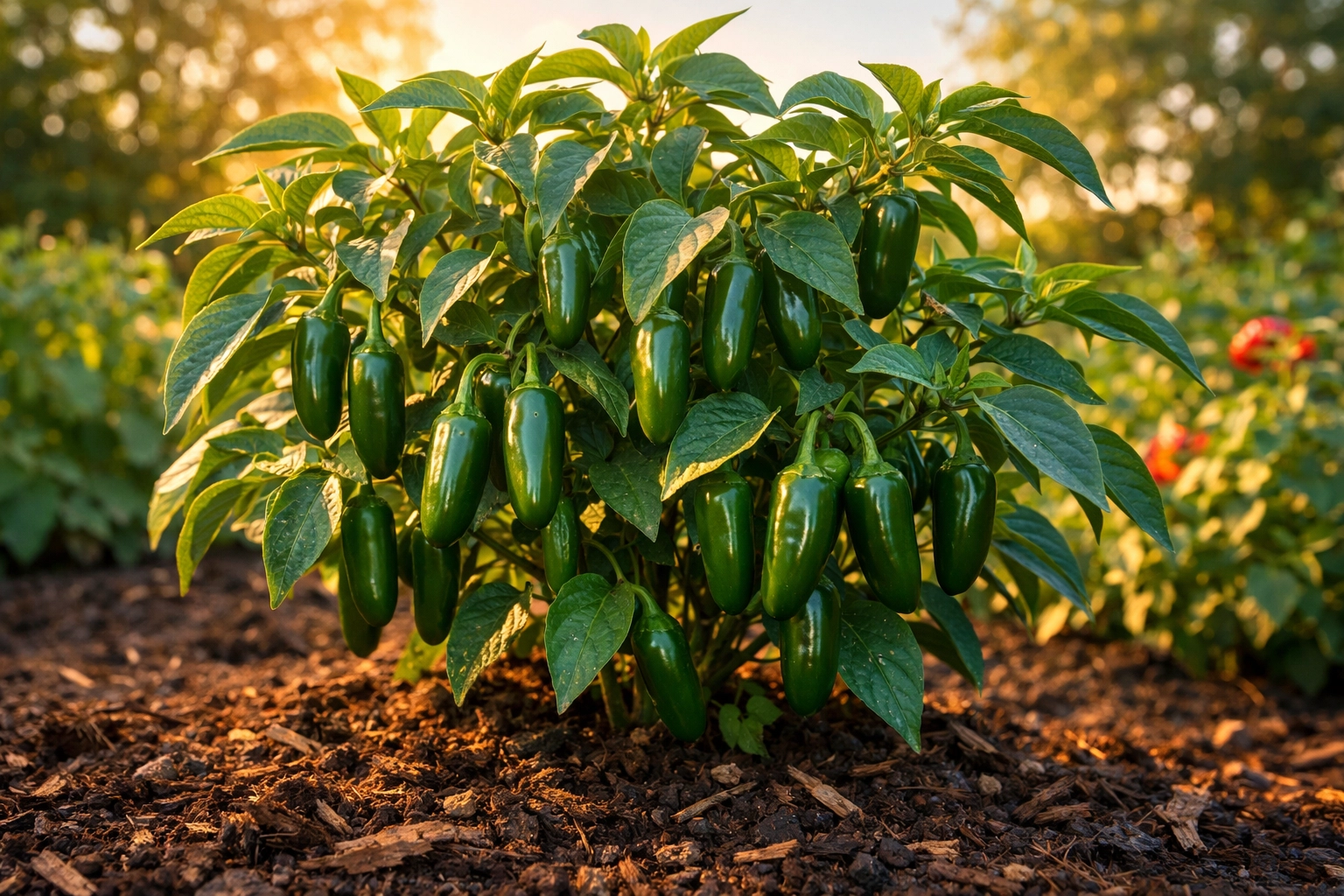
Jalapenos aren't particularly fussy once established, but a little attention goes a long way toward a bumper harvest.
Watering: Keep soil consistently moist but not soggy. Deep, infrequent watering encourages strong root growth. In hot weather, you might need to water daily, especially for container plants.
Fertilizing: Feed your plants every 2-3 weeks with a balanced organic fertilizer once they start flowering. Too much nitrogen will give you gorgeous leafy plants but fewer peppers, so don't overdo it.
Mulching: A layer of mulch around your plants helps retain moisture, regulate soil temperature, and suppress weeds. Just keep it a couple inches away from the stems to prevent rot.
Temperature: Jalapenos thrive in temperatures between 65-85°F. When temperatures soar above 90°F, peppers might drop blossoms or produce misshapen fruit. There's not much you can do about weather, but afternoon shade in extreme heat can help.
Harvesting Your Bounty
Here's where patience pays off. From transplanting to your first harvest, expect to wait about 70-80 days. Jalapenos are typically harvested green, but you can leave them on the plant longer until they turn red. Red jalapenos are fully mature, slightly sweeter, and still pack plenty of heat.
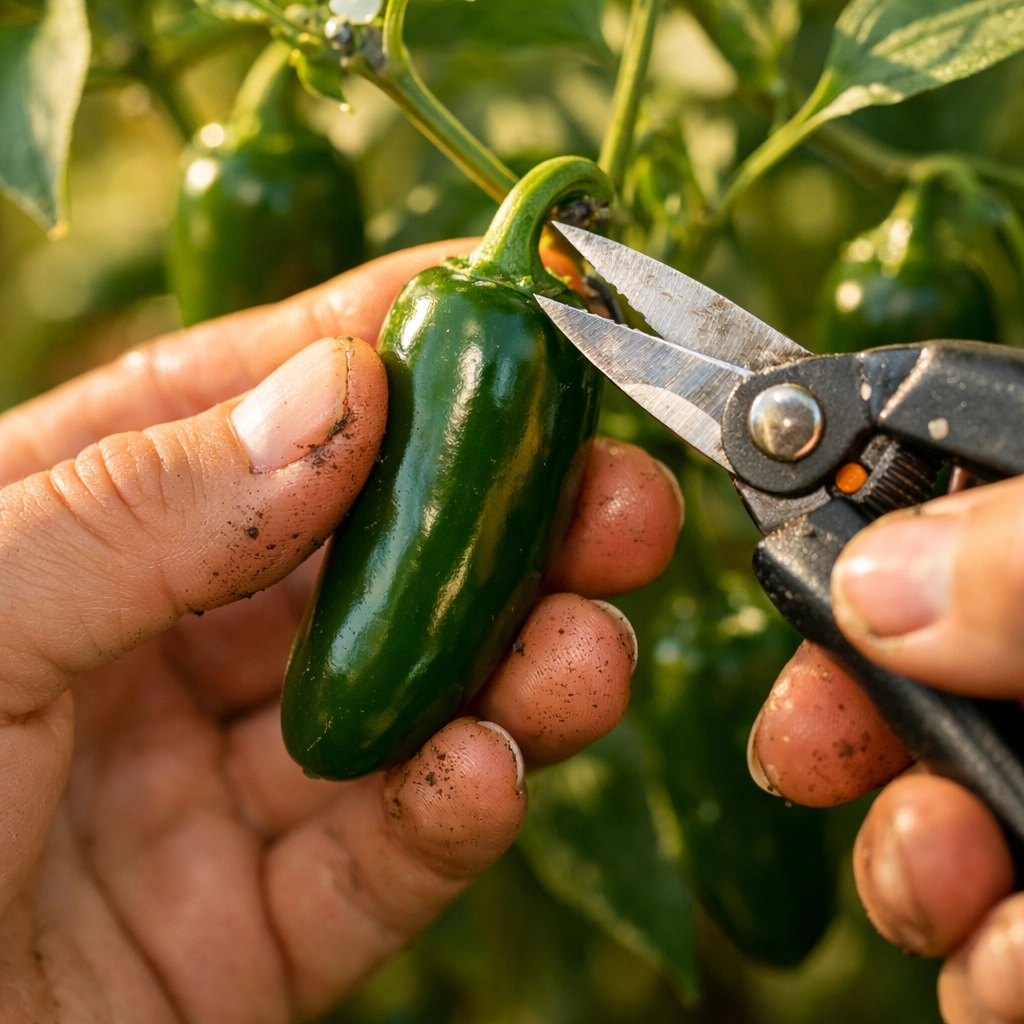
Pick peppers by cutting them off with scissors or pruning shears rather than pulling, which can damage the plant. A mature jalapeno is typically 2-3 inches long with smooth, firm skin. Harvesting regularly encourages the plant to produce more peppers.
The beautiful thing about jalapenos is their versatility. Use them fresh in salsa, pickle them for nachos, smoke them into chipotles, or freeze them for later use. I always plant more than I think I'll need because you can never have too many jalapenos come harvest time.
From Garden to Salsa
There's something magical about making salsa with jalapenos you grew from seed. The flavor is brighter, the heat more nuanced, and the satisfaction immeasurable. A simple salsa: fresh tomatoes, onions, cilantro, lime juice, and your homegrown jalapenos: becomes something special when every ingredient has a story.
Growing jalapenos from seed to salsa isn't just about the destination. It's about the journey: the anticipation of germination, the joy of seeing those first true leaves, the pride of transplanting healthy seedlings, and finally, the reward of harvesting glossy peppers you grew yourself.
Whether you're a seasoned gardener or just starting out, jalapenos offer an accessible entry point into the world of pepper growing. Start with quality heirloom seeds, provide plenty of warmth and light, and be patient. Before you know it, you'll be the one sharing fresh peppers with neighbors and perfecting your signature salsa recipe.