If you've ever stood in the garden center staring at bags of onion sets and seed packets, wondering which path to take, you're not alone. I've been growing onions for years, and this decision still comes up every single season. The truth is, both methods have their place in the garden, and the "best" choice really depends on what you're after.
Let me walk you through what I've learned so you can make the right call for your garden.
Understanding Your Options
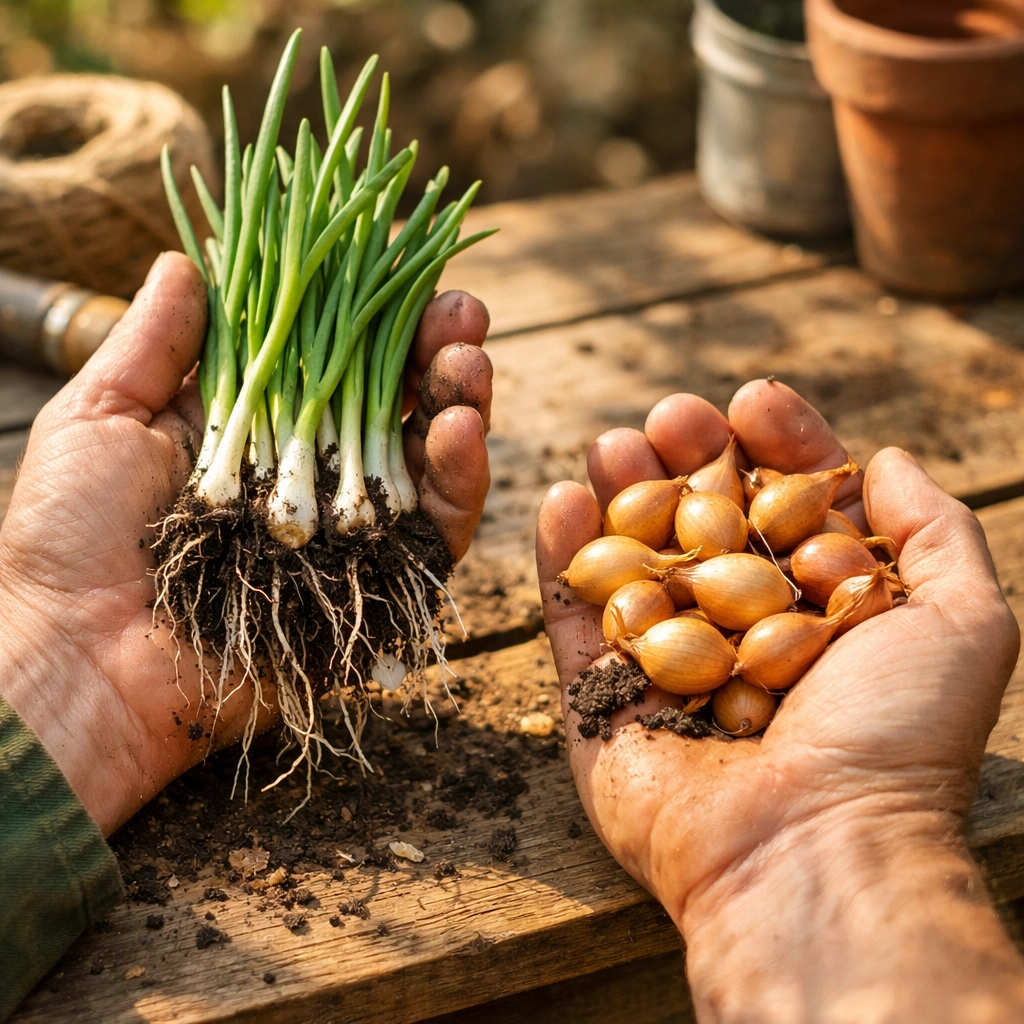
Before we dig into the nitty-gritty, let's get clear on what we're talking about. Onion sets are small, immature onion bulbs that were grown the previous year, then harvested and stored. You're essentially getting a head start. Seeds, on the other hand, are exactly what they sound like - you're growing your onions from scratch.
Both methods will get you to harvest, but they take different paths to get there.
Starting from Seed: The Patient Gardener's Choice
Growing onions from seed is like taking the scenic route. It requires more time and attention, but the journey has some real rewards.
The Benefits of Seeds
When you choose seeds, you're opening up a world of variety. We're talking dozens of options beyond the standard yellow, red, and white sets you see at the store. Want sweet Walla Wallas? Pungent Red Wings? Italian Cipollinis? Seeds give you access to heirloom varieties that simply aren't available as sets.
The cost factor is hard to ignore too. One packet of quality heirloom seeds can produce hundreds of onions for just a few dollars. Compare that to sets, which can run several dollars per pound, and you're looking at significant savings if you're planting a decent-sized onion patch.
Here's something else I've noticed over the years: onions grown from seed tend to produce substantially larger bulbs. When you start from seed, you control the growing conditions from day one, which often translates to healthier, more vigorous plants that size up nicely.
The Challenges
Now, I won't sugarcoat it - seeds require patience and planning. You need to start them indoors about 10 to 12 weeks before your last spring frost date. That means if you're planting outdoors in April, you're starting seeds in January or early February.
Onion seeds germinate slowly, typically taking 7 to 14 days. The tiny seedlings grow gradually and need consistent care - proper lighting, moisture, and temperature control. If you've never started seeds indoors before, onions might feel like a commitment.
How to Grow from Seed
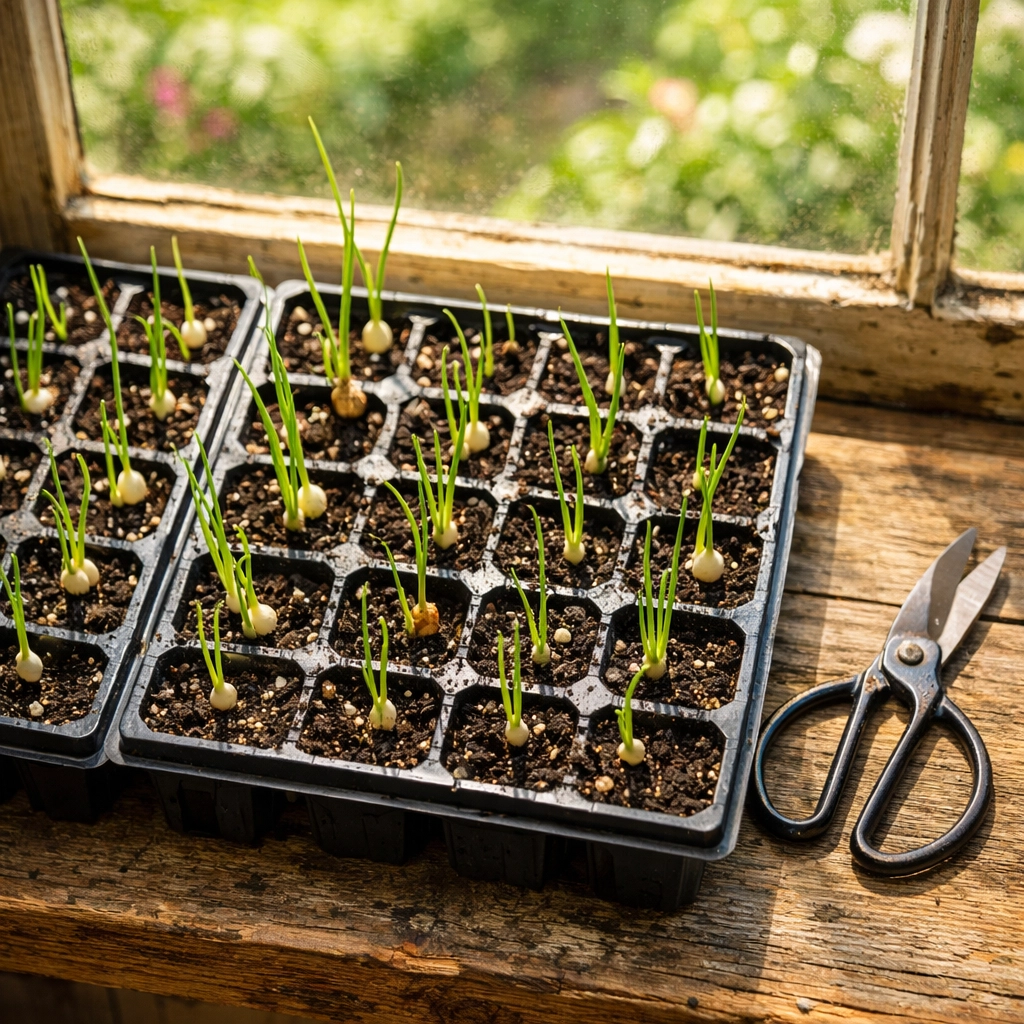
Start your seeds in good quality seed-starting mix in flats or cell packs. Plant them about a quarter-inch deep and keep the soil consistently moist. Once they germinate, provide plenty of light - a south-facing window or grow lights work well.
When seedlings reach about 5 inches tall, you can give them a "haircut" by trimming the tops back to about 3 inches. This encourages stronger root development. Transplant them into the garden once the soil is workable in early spring, spacing them about 4 to 6 inches apart.
One crucial thing to remember: choose varieties matched to your day length. Long-day varieties work for northern gardeners, short-day varieties for the South, and day-neutral varieties split the difference for those in the middle zones. This isn't optional - plant the wrong type and you'll get scallions instead of bulbs.
Onion Sets: Quick and Reliable
If seeds are the scenic route, sets are the express lane. You push them into the soil, water them, and they're off to the races.
Why Sets Make Sense
For beginners, sets remove most of the guesswork. There's no indoor seed starting, no worrying about germination rates, no seedling care. You simply wait until spring, plant them in prepared soil, and watch them grow.
The time savings are real. While seed-grown onions might take 90 days or more from transplant to harvest, sets often mature faster because they're already partially developed. If you got a late start on the season or simply want onions without the fuss, sets deliver.
Sets are also more forgiving. You don't need grow lights, heat mats, or seed-starting supplies. Just decent soil, sun, and water.
The Limitations
The variety limitation is the biggest drawback. Most garden centers carry only two or three basic varieties of sets. If you're content with standard yellow, red, or white onions, this might not bother you. But if you crave diversity or want to try heritage varieties, you're out of luck.
Cost-wise, sets add up quickly if you're planting more than a small bed. They're sold by weight, and you'll need quite a few pounds to fill a good-sized onion patch.
Here's a mistake I see all the time: gardeners pick the biggest, beefiest sets they can find, thinking bigger is better. Actually, the opposite is true. Larger sets have a tendency to bolt - sending up a flower stalk instead of forming a nice bulb. Smaller sets, about the size of a dime or nickel, produce the best results.
Planting Sets Successfully
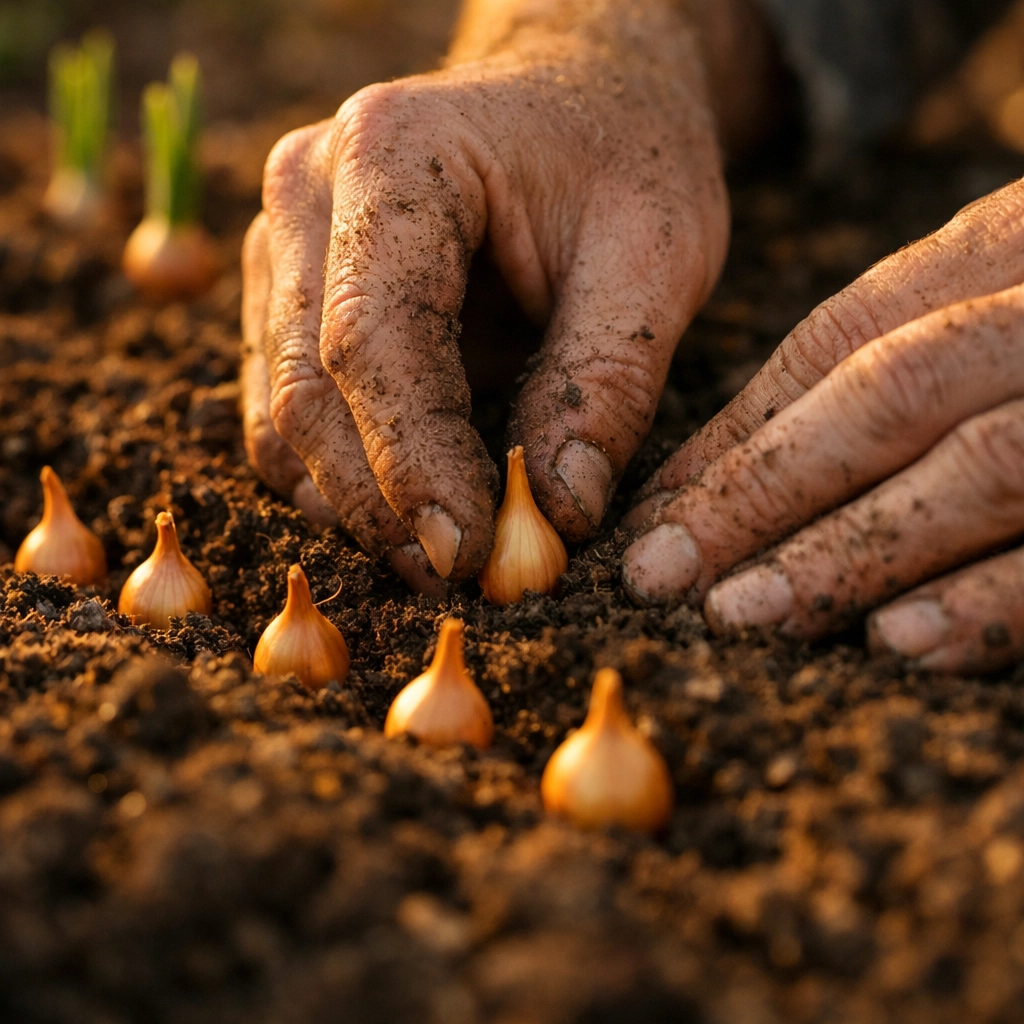
Choose small sets and plant them in loose, well-amended soil with plenty of compost worked in. Push them into the soil just deep enough that the pointed tip barely shows above the surface. Space them 4 to 6 inches apart in rows.
Water regularly, especially as bulbs begin sizing up in late spring. Remove any flower stalks immediately if they appear - once an onion bolts, the bulb stops developing properly.
Making Your Decision
So which method should you choose? Consider these factors:
Choose seeds if:
- You want access to unique varieties and heirloom types
- You're comfortable with indoor seed starting
- Cost savings matter, especially for large plantings
- You want the largest possible bulbs
- You enjoy the full growing experience from start to finish
Choose sets if:
- You're new to gardening or onion growing
- You don't have space or equipment for seed starting
- You want a faster, simpler process
- You're fine with standard onion varieties
- You're only growing a small quantity
There's no wrong answer here. I've done both methods depending on the season, and I often do a combination - starting specialty varieties from seed while using sets for a quick, reliable backup crop.
Tips for Success with Either Method
Regardless of which path you take, these practices will help ensure a good harvest:
Soil matters. Onions are heavy feeders that need loose, well-drained soil rich in organic matter. Work in plenty of compost before planting.
Spacing counts. Give onions room to size up. Crowded plants produce smaller bulbs.
Water wisely. Consistent moisture is important, especially as bulbs develop. But back off on watering about two weeks before harvest to help them cure properly.
Feed regularly. Side-dress with compost or apply a balanced organic fertilizer every few weeks during the growing season.
Watch day length. This cannot be stressed enough - planting the wrong variety for your latitude will leave you disappointed.
Harvest at the right time. When about half the tops have fallen over naturally, it's time. Pull them, let them cure in a dry, airy spot for a few weeks, then store in a cool, dry location.
The Bottom Line
Growing onions from seed gives you variety, value, and often bigger bulbs, but requires planning and patience. Sets offer simplicity and speed, perfect for beginners or anyone wanting reliable results without the fuss.
The wonderful thing about gardening is you can experiment. Try seeds one year, sets another, or mix both approaches. Pay attention to what works in your garden, your schedule, and your growing conditions.
Whatever method you choose, you'll have the satisfaction of harvesting your own onions - and trust me, there's nothing quite like cooking with onions you grew yourself. The flavor is always better, and the pride of growing them makes every meal a little more special.