
In my years of growing tomatoes, I've learned that sometimes less really is more. It sounds counterintuitive: removing parts of your plant to get more fruit: but proper pruning can be the difference between a mediocre harvest and baskets overflowing with juicy, flavorful tomatoes. Think of it like conducting an orchestra: every branch and leaf has a role to play, but too many competing voices drown out the symphony.
The truth is, pruning isn't just about slicing away random stems and hoping for the best. It's a strategic practice that redirects your plant's energy exactly where you want it: into producing those gorgeous, sun-ripened tomatoes you've been dreaming about since you planted those heirloom seeds back in spring.
Why Pruning Matters (And When It Doesn't)
Not all tomato plants are created equal when it comes to pruning needs. Understanding your plant's growth habit is the first step toward pruning success.
Indeterminate tomatoes are the marathon runners of the tomato world. These vining varieties keep growing taller and producing fruit throughout the entire season until frost cuts them down. Most heirloom varieties fall into this category, and they absolutely thrive with regular pruning. Without intervention, they'll sprawl into tangled jungles that produce lots of small fruit but struggle with air circulation and disease.
Determinate tomatoes, on the other hand, are the sprinters. They grow to a predetermined height, set all their fruit at once, and then call it quits. These bushy plants need minimal pruning: in fact, heavy-handed pruning will actually reduce your harvest since they're programmed to produce a specific number of fruit clusters.
So before you grab your pruners, identify which type you're growing. Check your seed packet or the information from where you purchased your plants. If you're growing heirloom varieties from quality seeds, chances are good you're dealing with indeterminate plants that will reward your pruning efforts.
The Counterintuitive First Step: Remove Those Early Flowers
Here's where pruning gets interesting, and where many gardeners hesitate. Within the first week after transplanting your seedlings into the garden, you'll want to pinch off all flower clusters until the plant reaches about 18 inches tall: roughly one month after transplant.
I know, I know. It feels wrong to remove those cheerful yellow blossoms that promise future tomatoes. But trust the process. When young plants invest energy into setting fruit too early, they sacrifice root development and vegetative growth. By removing early flowers, you're essentially telling your plant: "Not yet. Build a stronger foundation first."
The payoff comes later when your well-established plant produces significantly more fruit over the season than it would have if you'd let those early flowers develop. It's delayed gratification that absolutely pays off.
Understanding and Managing Suckers
Suckers are the sneaky little shoots that emerge in the "V" where a leaf branch meets the main stem. They're determined little things, and if left unchecked, they'll grow into full-fledged stems that compete with the main plant for nutrients and energy.
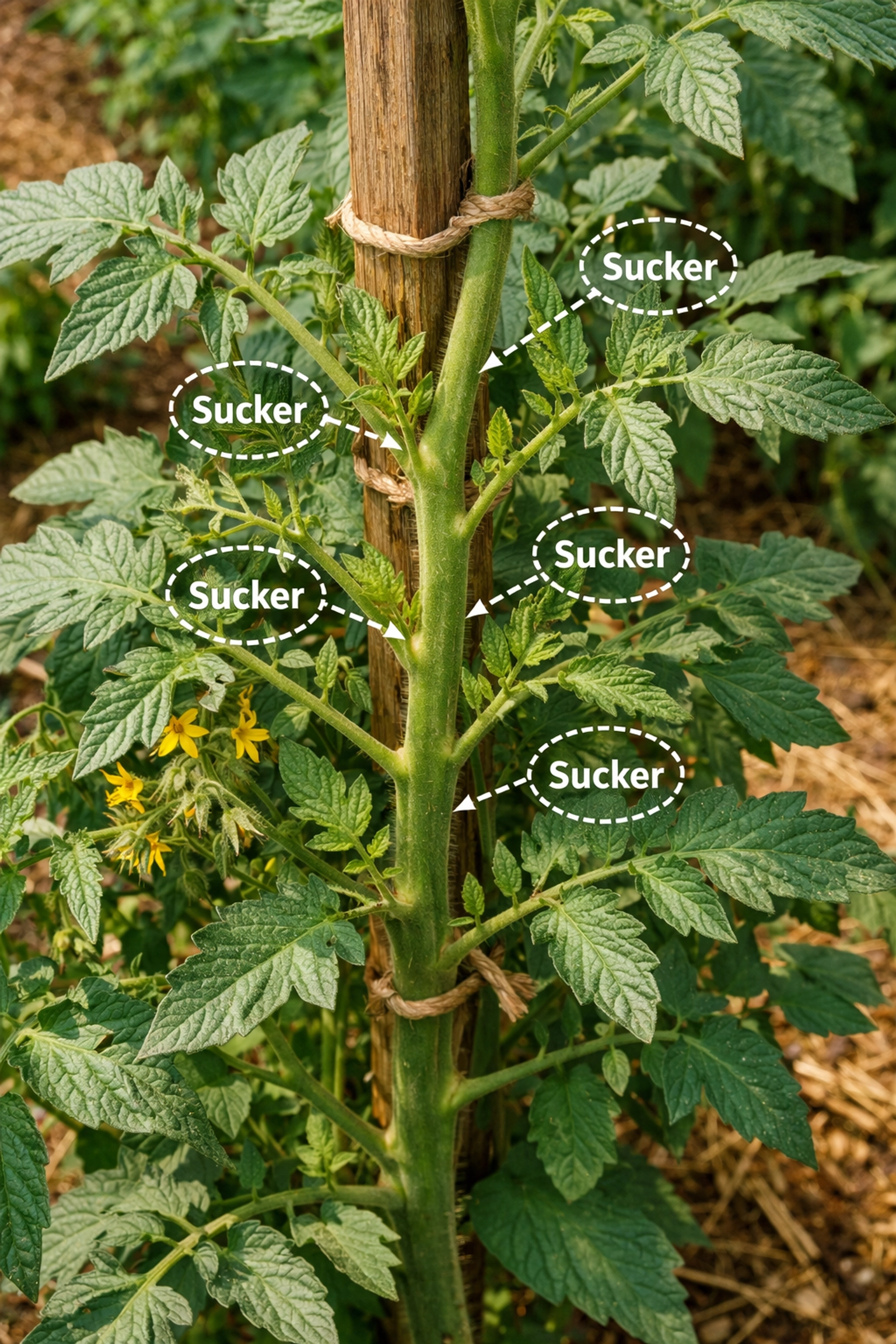
For indeterminate varieties, removing most suckers is crucial. Each sucker left to grow becomes another stem that demands resources: water, nutrients, and the plant's photosynthetic energy. More stems mean more leaves and branches, but often at the expense of fruit size and quality.
The sweet spot: Keep your plant focused on 1-2 main leaders (the central stems). If you're getting excellent production and your plants look healthy and vigorous, you can experiment with leaving 3-4 suckers on the lower portion of the plant. But more than that typically results in smaller fruit and increased disease pressure from poor air circulation.
Cherry tomato exception: Cornell University research has shown that cherry tomatoes can handle a double-leader system beautifully. Allow the main stem and one strong sucker to grow, giving you two productive stems. This balances increased yield with manageable harvest labor: because let's be honest, picking hundreds of tiny cherry tomatoes is already time-consuming enough.
The Art of Removing Suckers
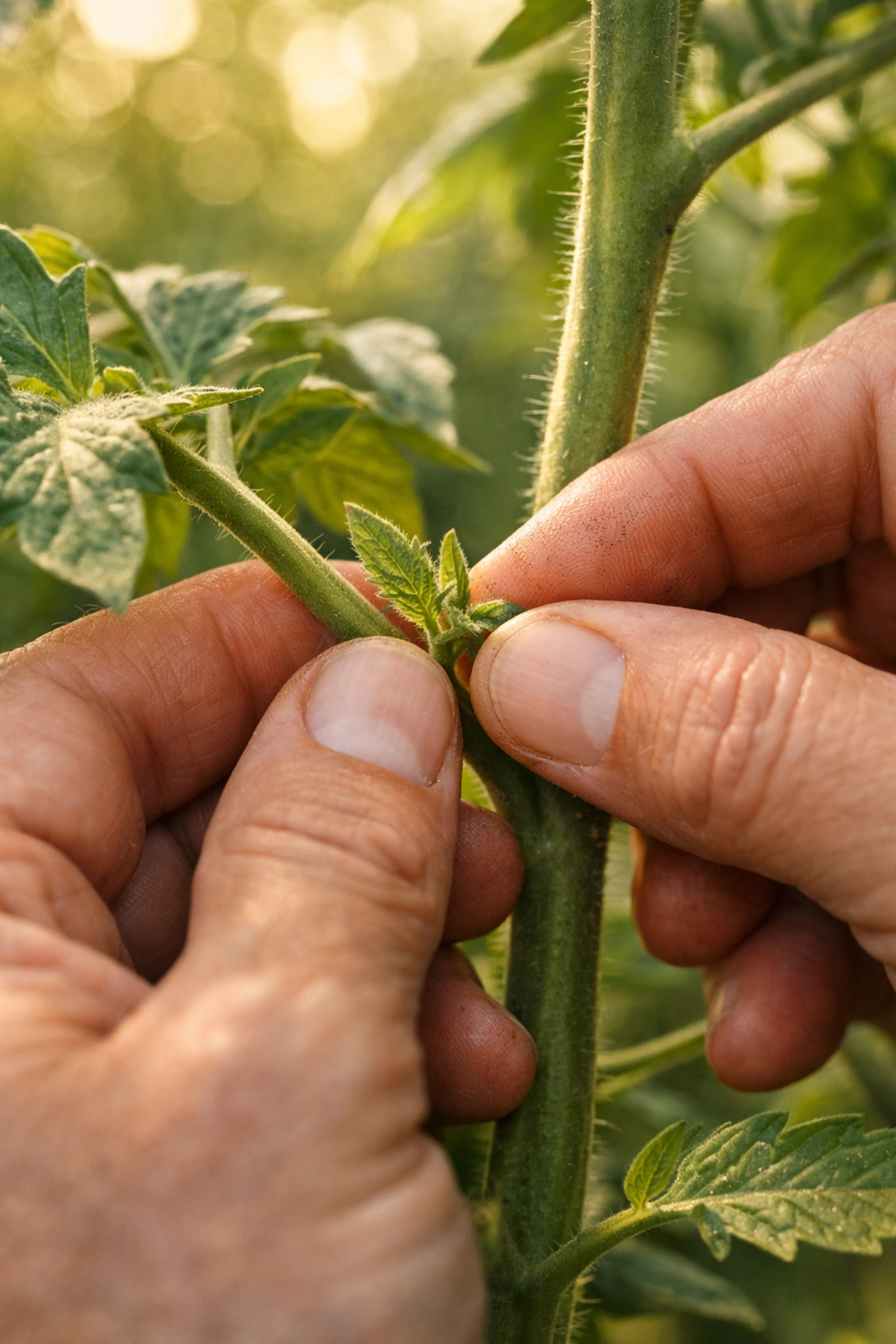
Timing is everything when it comes to sucker removal. Catch them when they're young: small enough to pinch off with your thumb and forefinger: and you'll leave minimal wounds that heal quickly. Wait too long, and you'll need pruners to remove thick stems, leaving large wounds that stress the plant and create entry points for disease.
Check your plants every few days during active growth periods. It becomes a meditative ritual: walking through your garden in the cool morning air, running your hands along the stems, pinching off those eager little suckers before they get ambitious.
Pruning Lower Leaves for Health and Productivity
As your tomato plants mature and grow taller, those lower leaves become less productive. They're shaded by the foliage above them, contributing little to photosynthesis while still demanding water and nutrients. Worse, they're often the first leaves to touch the soil, creating pathways for soil-borne diseases to climb onto your plants.
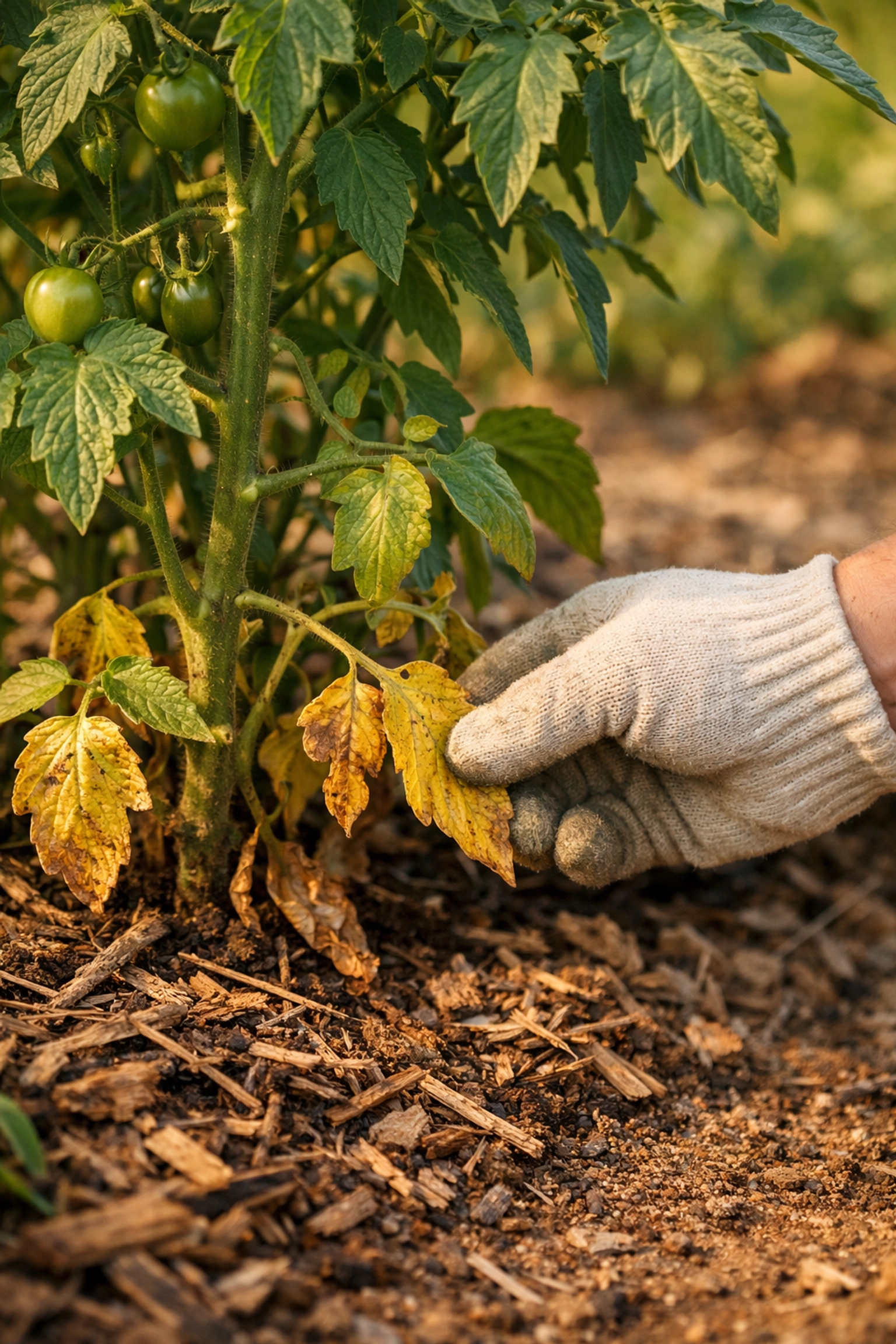
Gradually remove lower leaves as the season progresses, especially once they start yellowing or showing signs of disease. Work your way up the stem slowly: don't strip everything at once. A good rule of thumb is to maintain bare stem up to the first fruit cluster that's actively ripening.
This practice improves air circulation around the base of the plant, reduces moisture retention on leaves (which fungi love), and makes it easier to water at soil level without splashing dirt onto foliage.
Timing Your Pruning Sessions
The best time to prune is during dry conditions, ideally in the morning after the dew has dried or in early evening. Avoid pruning during the heat of midday when plants are already stressed, and never prune before predicted rain: wet wounds are invitations for bacterial and fungal diseases.
Your tools matter too. Sharp, clean pruners make precise cuts that heal quickly. Dull blades crush and tear plant tissue, leaving ragged wounds that take longer to heal. Between plants, wipe your pruners with rubbing alcohol or a diluted bleach solution to avoid spreading diseases.
If you need to do extensive pruning: perhaps you've been away and the plants have gotten away from you: spread the work over two days. Removing too much foliage at once shocks the plant and can temporarily halt fruit production.
Special Considerations for Different Growing Situations
Determinate varieties: Remember, these plants need a light touch. Remove only the suckers growing below the first flower cluster and any lower leaves touching the soil. Beyond that, let them do their thing.
Hot climate gardening: If you're growing in intense sun and heat, consider "Missouri pruning" for your suckers. Instead of removing them entirely, pinch off the growing tip but leave the first two leaflets at the base. These leaves provide crucial shade for developing fruit, preventing sunscald: those pale, sunken patches that ruin otherwise perfect tomatoes.
Container growing: Tomatoes in pots benefit from aggressive pruning since their root systems are limited. Keep them to a single leader and remove suckers religiously. This concentrates the plant's limited resources into producing quality fruit rather than excessive foliage.
What to Expect from Properly Pruned Plants
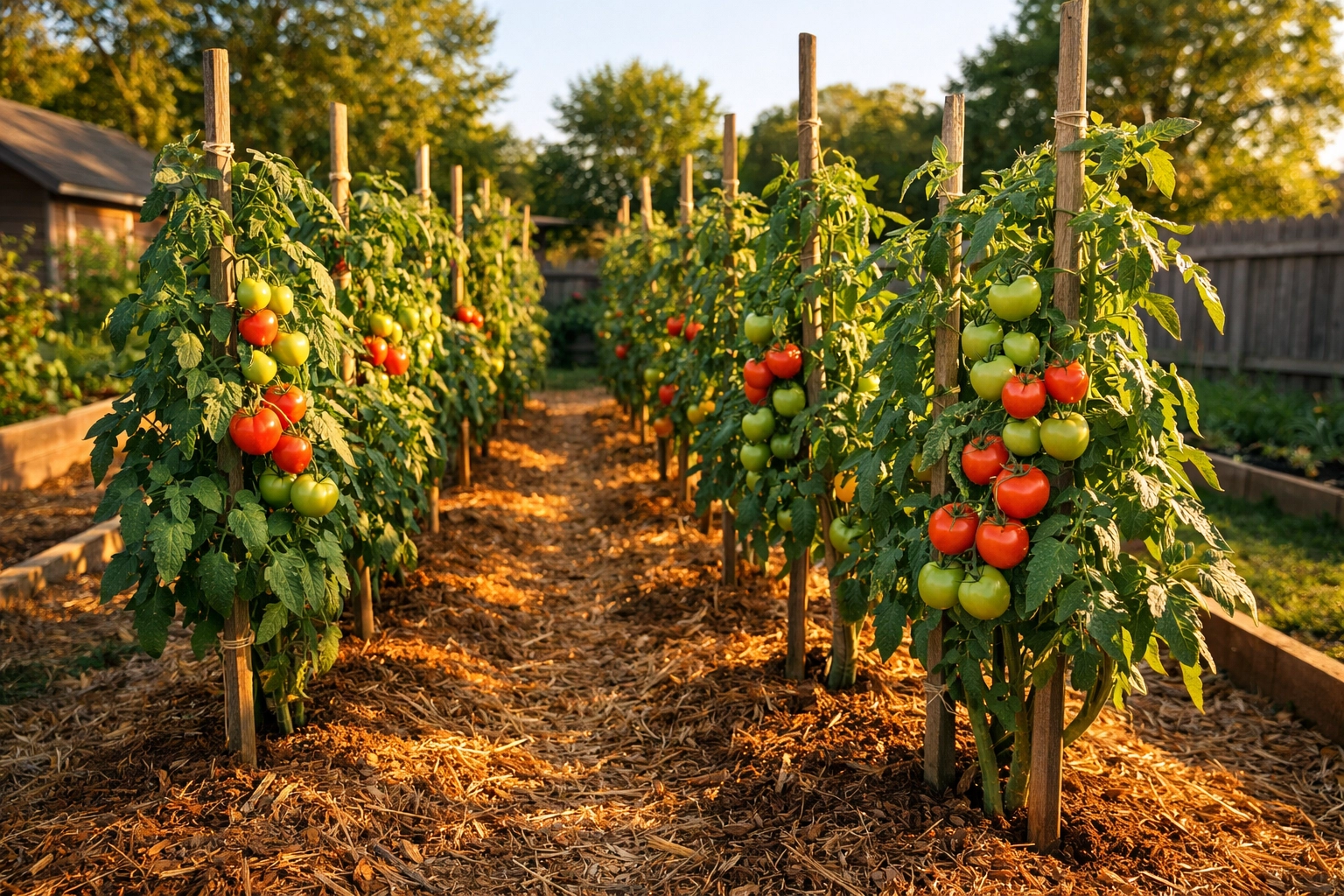
Well-pruned indeterminate tomatoes produce fewer fruits than unpruned plants, but the individual tomatoes are significantly larger, more flavorful, and ripen more consistently. The more vertical growth pattern also allows you to space plants closer together, potentially compensating for the reduced fruit count per plant with more plants per square foot.
You'll notice better disease resistance too. Good air circulation dries leaves quickly after rain or morning dew, giving fungal spores less opportunity to establish themselves. When problems do arise, they're easier to spot and treat on well-pruned plants.
Making Peace with the Process
If you're new to pruning, start conservatively. It's easier to remove more later than to reattach what you've cut off. Watch how your plants respond, and adjust your approach as you gain experience with your specific varieties and growing conditions.
Remember that every garden is different. Soil quality, water availability, temperature fluctuations, and even the specific heirloom varieties you're growing all influence how aggressively you should prune. What works perfectly in one garden might need adjustment in another.
The goal isn't perfection: it's continuous improvement. Each season teaches you something new about the dance between plant vigor and fruit production. Pay attention to what your plants tell you through their growth patterns and productivity, and let that guide your pruning decisions.
Your tomato plants want to produce abundant, delicious fruit. Sometimes they just need a little guidance to focus their energy in the right direction. With thoughtful pruning and attention to your plants' individual needs, you'll be rewarded with a harvest that makes every carefully placed cut worthwhile.