
In my years of growing heirloom varieties and helping gardeners protect their precious plants, I've seen just about every pest problem you can imagine. Aphids clustering on tender pepper leaves, powdery mildew creeping across squash vines, and spider mites turning tomato foliage pale and lifeless. Through all of it, one tool has consistently proven itself as a gardener's best friend: neem oil.
But here's the thing - neem oil isn't some magic potion you can spray willy-nilly across your garden and expect perfect results. Like any powerful tool, it needs to be used correctly and thoughtfully. Today, I'm going to walk you through everything you need to know about using neem oil safely in your organic garden, especially when you're growing those beautiful heirloom varieties that deserve the best care possible.
What Makes Neem Oil So Special?
Neem oil comes from the seeds of the neem tree, native to India and used for centuries in traditional agriculture. What makes it remarkable is its dual action - it works as both an insecticide and a fungicide. This means one bottle in your garden shed can handle aphids on Monday and powdery mildew on Thursday.
The active compound, azadirachtin, disrupts the life cycle of many common garden pests without being toxic to beneficial insects like bees and ladybugs when used properly. For those of us committed to organic gardening practices, this is exactly the kind of solution we're looking for.
Choosing and Preparing Your Neem Oil
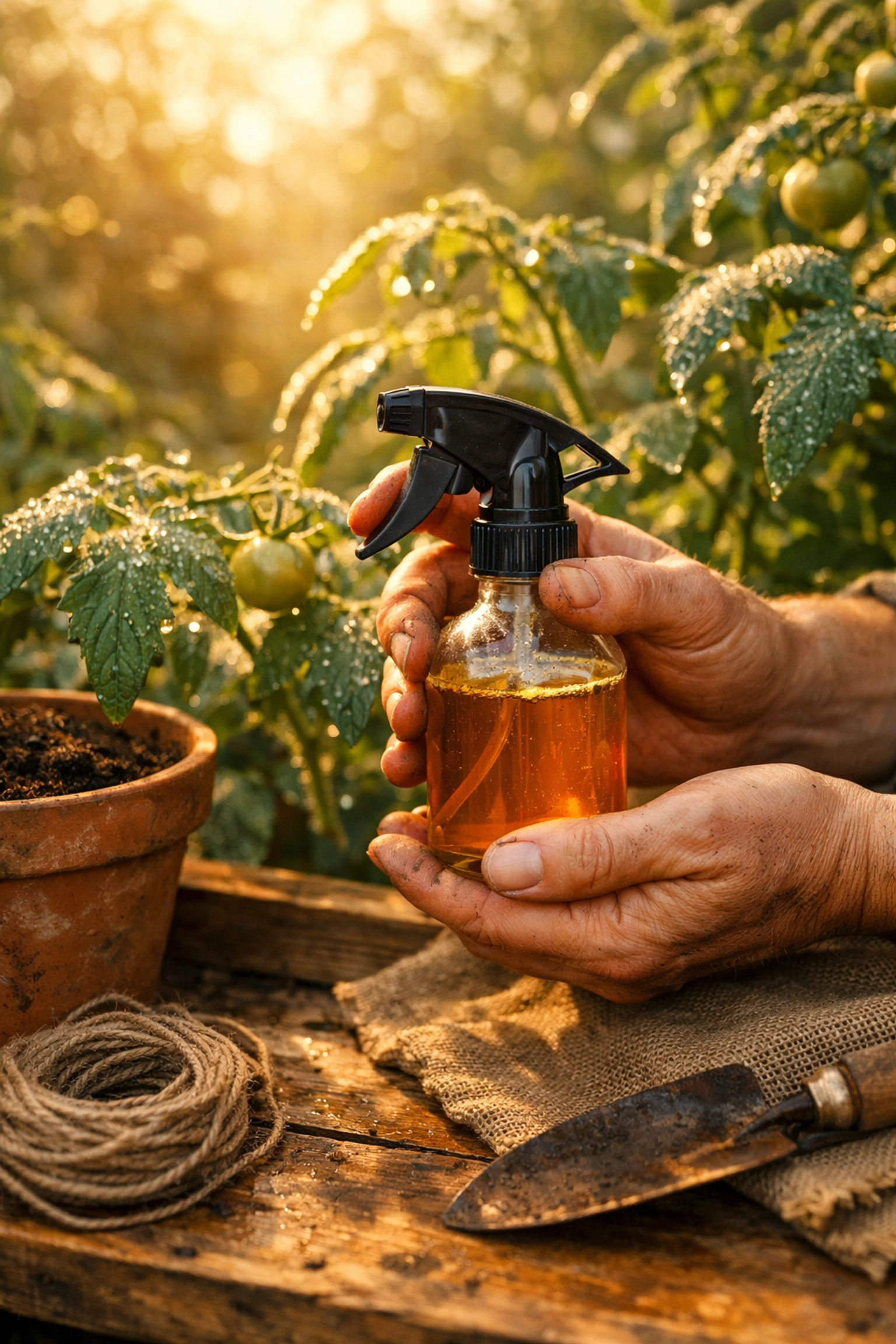
You'll find neem oil in two main forms at garden centers: ready-to-use spray bottles and concentrated formulas. The ready-to-use versions are convenient, but the concentrate gives you more control and better value if you're treating a larger garden.
Never apply neem oil full-strength. If you're working with a concentrate, you'll typically mix about 2 tablespoons per gallon of water, though always follow the specific instructions on your product label. Add a few drops of mild liquid soap to help the oil emulsify with water - this creates a more effective spray that sticks to plant surfaces.
Mix your solution in a clean spray bottle or garden sprayer, shaking thoroughly before and during application. Neem oil and water naturally want to separate, so that shaking step isn't optional.
The Right Way to Apply Neem Oil
Here's where many gardeners make their first mistake. Before you treat your entire garden, test your neem spray on a small section of each plant type. Wait 24 hours and check for any adverse reactions like leaf discoloration or wilting. Different plants have different sensitivities, and this simple step can save you from accidentally damaging a prized heirloom tomato or pepper plant.
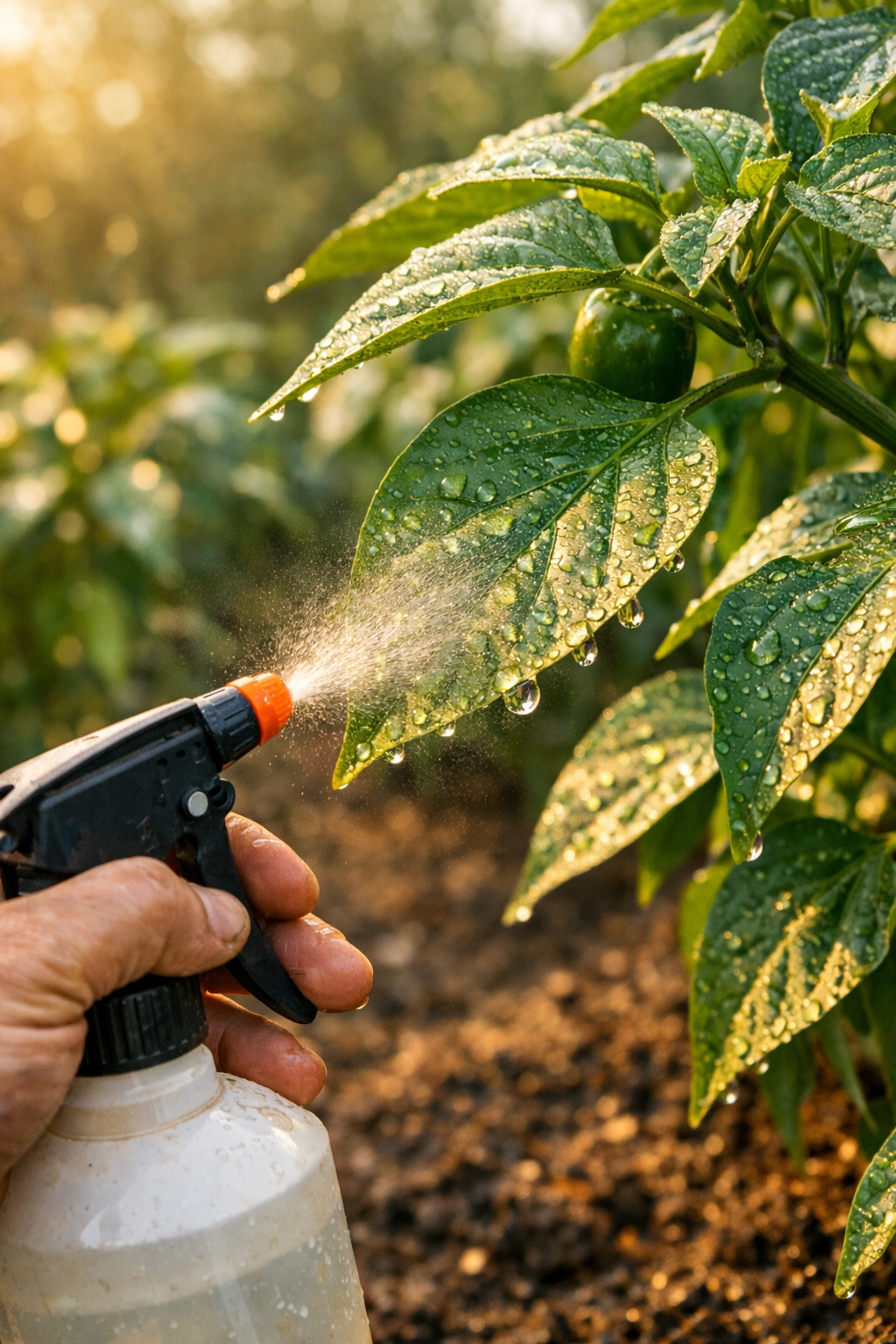
When you're ready to spray, coat all plant surfaces thoroughly - tops and bottoms of leaves, stems, and even the soil surface around the base. Many pests hide on leaf undersides, so don't skip this crucial area. The spray should be wet enough to cover the plant but not so heavy that it drips excessively.
Timing Is Everything
One of the most important rules for neem oil application is timing your spraying correctly. Apply early in the morning or late in the evening, never during the heat of the day. Why? Neem oil can cause leaf burn when combined with direct sunlight and high temperatures. Those early morning or evening applications give the oil time to dry before the sun reaches its peak intensity.
For prevention, spray on a relaxed 14-day schedule. If you're actively battling pests or disease, step it up to every 7 days until the problem is under control, then return to that 14-day maintenance schedule. Consistency matters more than intensity here - regular, properly timed applications work better than sporadic heavy treatments.
Plants That Need Extra Caution
Now, this is critical information that can save you some heartbreak. While neem oil is safe for most garden plants, certain crops are sensitive and should be avoided or approached with extreme caution.
Skip the neem oil entirely on:
- Peppers of all types (yes, including those gorgeous Ghost Peppers and Scotch Bonnets)
- Beans and peas
- Leafy greens like lettuce, arugula, and spinach
- Herbs including basil, cilantro, dill, oregano, parsley, and thyme
Test carefully before treating:
- Impatiens and fuchsia
- Hibiscus
- Some rose varieties
- Ornamental olive trees
- Certain carnation varieties
The irony isn't lost on me that some of the most pest-prone plants are also the ones you need to avoid treating with neem oil. For these sensitive varieties, focus instead on companion planting, physical barriers, and other organic pest control methods.
What Problems Can Neem Oil Solve?
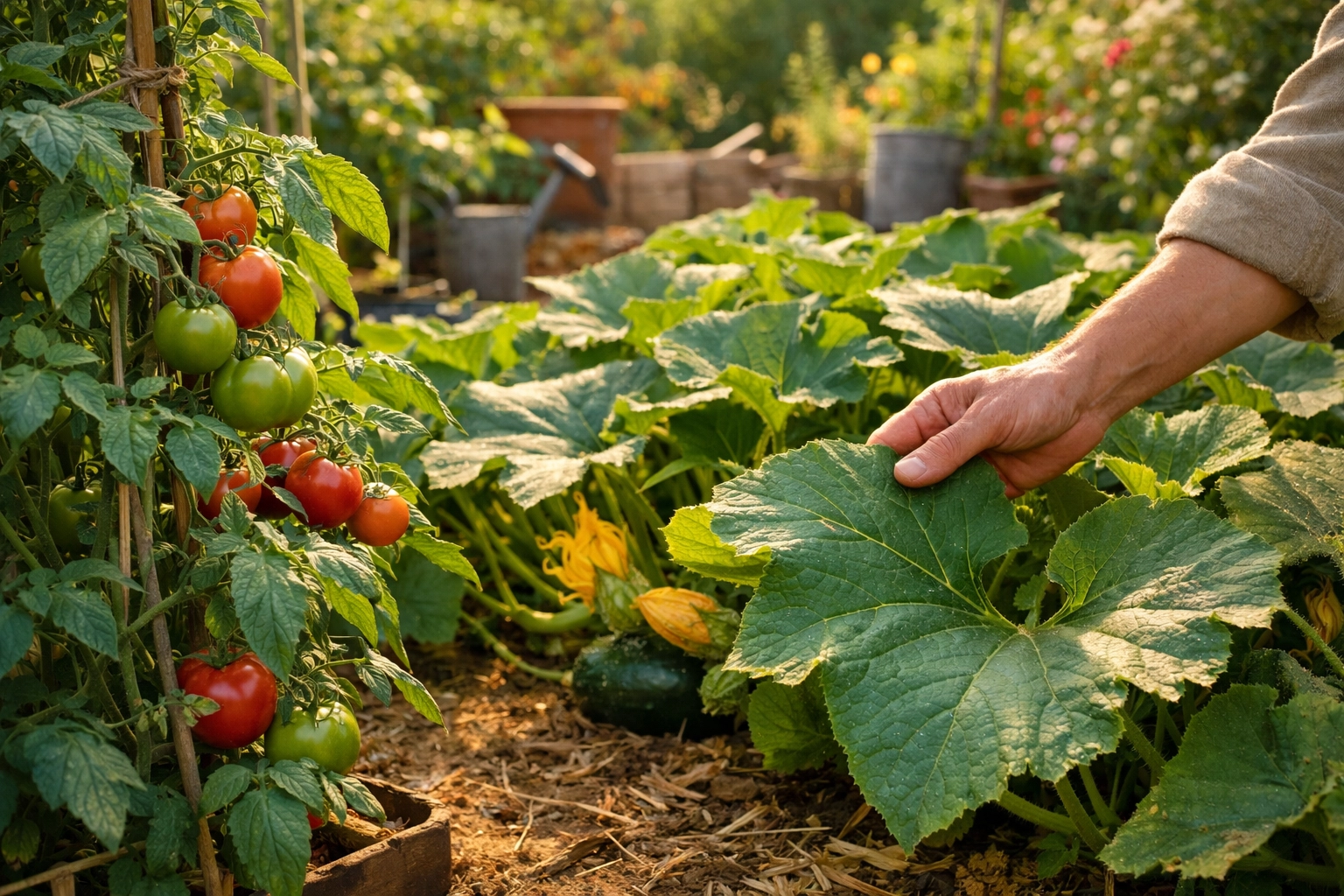
Neem oil earns its keep by tackling a impressive range of garden troubles. On the pest front, it's effective against aphids, spider mites, whiteflies, mealybugs, scale, and thrips. These are the usual suspects that plague vegetable gardens, especially when you're growing heirloom varieties that haven't been bred for pest resistance.
For fungal issues, neem oil prevents and treats powdery mildew, black spot, rust, and various leaf spot diseases. If you've ever grown squash or cucumbers, you know how quickly powdery mildew can take over. Regular neem applications can keep those leaves green and productive throughout the season.
Remember that neem oil works by disrupting pest life cycles and preventing fungal spores from establishing themselves. This means it's more effective as a preventative measure than as an emergency response to a heavy infestation. Start using it before problems become severe.
Safety Considerations for You and Your Garden
Beyond plant sensitivities, there are a few more safety guidelines to keep in mind. Never spray plants that are stressed, wilted, or newly transplanted. These plants need to focus their energy on recovery and establishment, not processing an oil coating on their leaves.
The good news is that neem oil is practically non-toxic to birds, mammals, and bees. When you're growing a garden from quality heirloom seeds, you want to protect the pollinators that make your harvest possible. Neem oil allows you to control pests without harming the beneficial insects that keep your garden ecosystem balanced.
Avoid spraying on windy days, which can cause drift onto plants you didn't intend to treat. And while neem oil is generally safe, wear gloves during application and avoid getting it in your eyes.
Making Neem Oil Part of Your Garden Routine
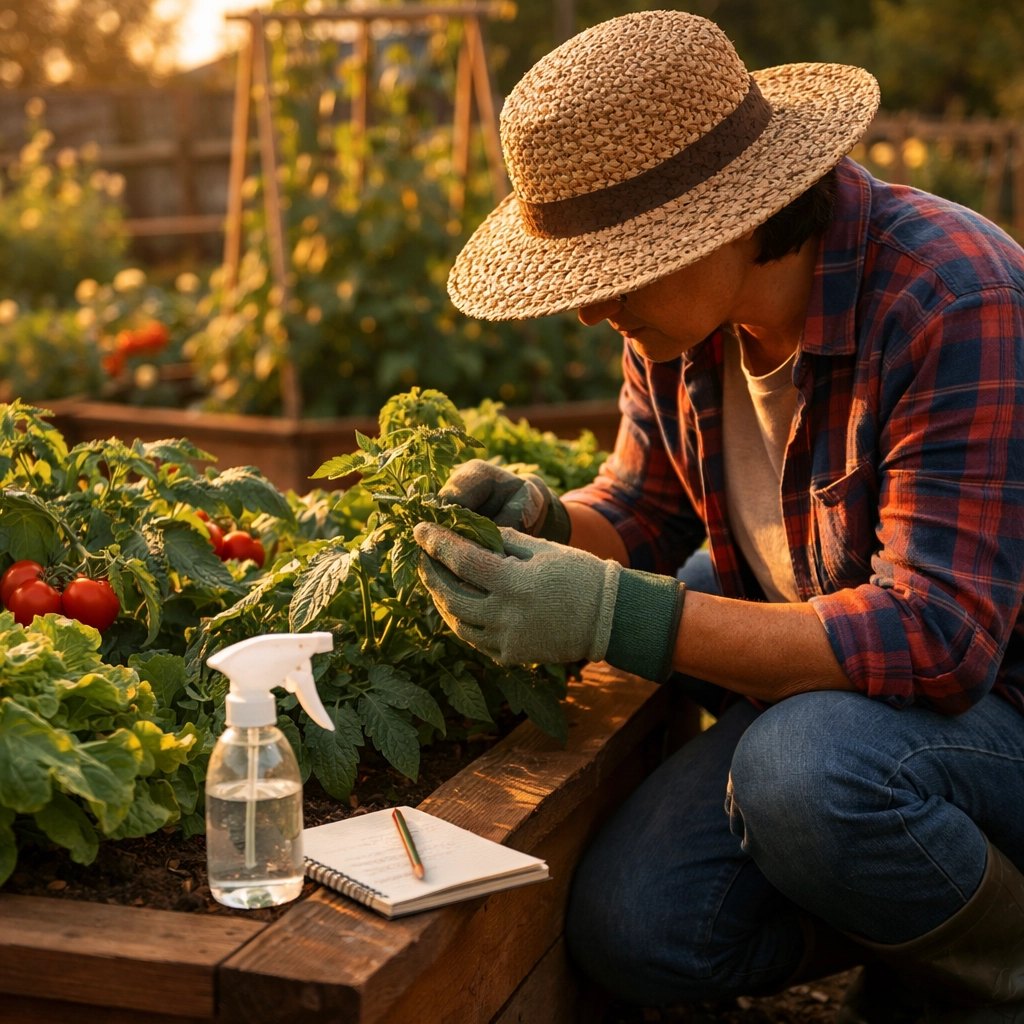
The key to success with neem oil is consistency and observation. Walk through your garden regularly, looking for early signs of pest or disease problems. Catch issues early, and neem oil can often stop them before they become serious.
Keep a garden journal noting when you spray, what you're treating, and the results. Over time, you'll develop a sense for which plants in your garden need regular preventative treatments and which seem naturally resistant.
When you're starting heirloom seeds - whether that's heritage tomatoes, specialty cucumbers, or unique squash varieties - you're investing time and care into plants with incredible flavor and history. Protecting those plants with safe, effective organic methods like neem oil ensures you'll get to enjoy the fruits (and vegetables) of your labor.
The Bottom Line
Neem oil deserves a place in every organic gardener's toolkit, but like any tool, it needs to be used correctly. Dilute it properly, apply it at the right times, avoid sensitive plants, and maintain a consistent schedule. Test before treating, observe your plants' responses, and adjust your approach as needed.
Your garden is a living ecosystem, and every intervention - even organic ones - should be made thoughtfully. With proper use, neem oil can help you grow healthier plants, enjoy bigger harvests, and keep those beautiful heirloom varieties thriving season after season.
Now get out there and give those garden pests something to worry about. Your plants will thank you for it.