In my years of working with gardeners across different climates and conditions, I've noticed this question comes up more than almost any other: Should I build raised beds or plant directly in the ground? The honest answer might surprise you: there's no universal winner here. The best choice depends entirely on your unique situation, and I've seen both methods produce stunning harvests of heirloom tomatoes, peppers, and cucumbers.
Let me walk you through what I've learned so you can make the right call for your garden.
Understanding Your Starting Point
Before we dive into the specifics, take a good look at what you're working with. Your native soil tells an important story. Is it heavy clay that turns into concrete when dry? Sandy loam that drains like a sieve? Rich, dark earth that crumbles perfectly in your hand?
Your physical situation matters too. Do you have mobility challenges that make bending difficult? Are you dealing with a sloped yard or contaminated urban soil? These practical realities should guide your decision just as much as gardening theory.
The Case for Raised Beds
Raised beds have exploded in popularity over the past decade, and for good reason. When you build up instead of digging down, you're essentially creating a custom growing environment from scratch.
Complete Soil Control
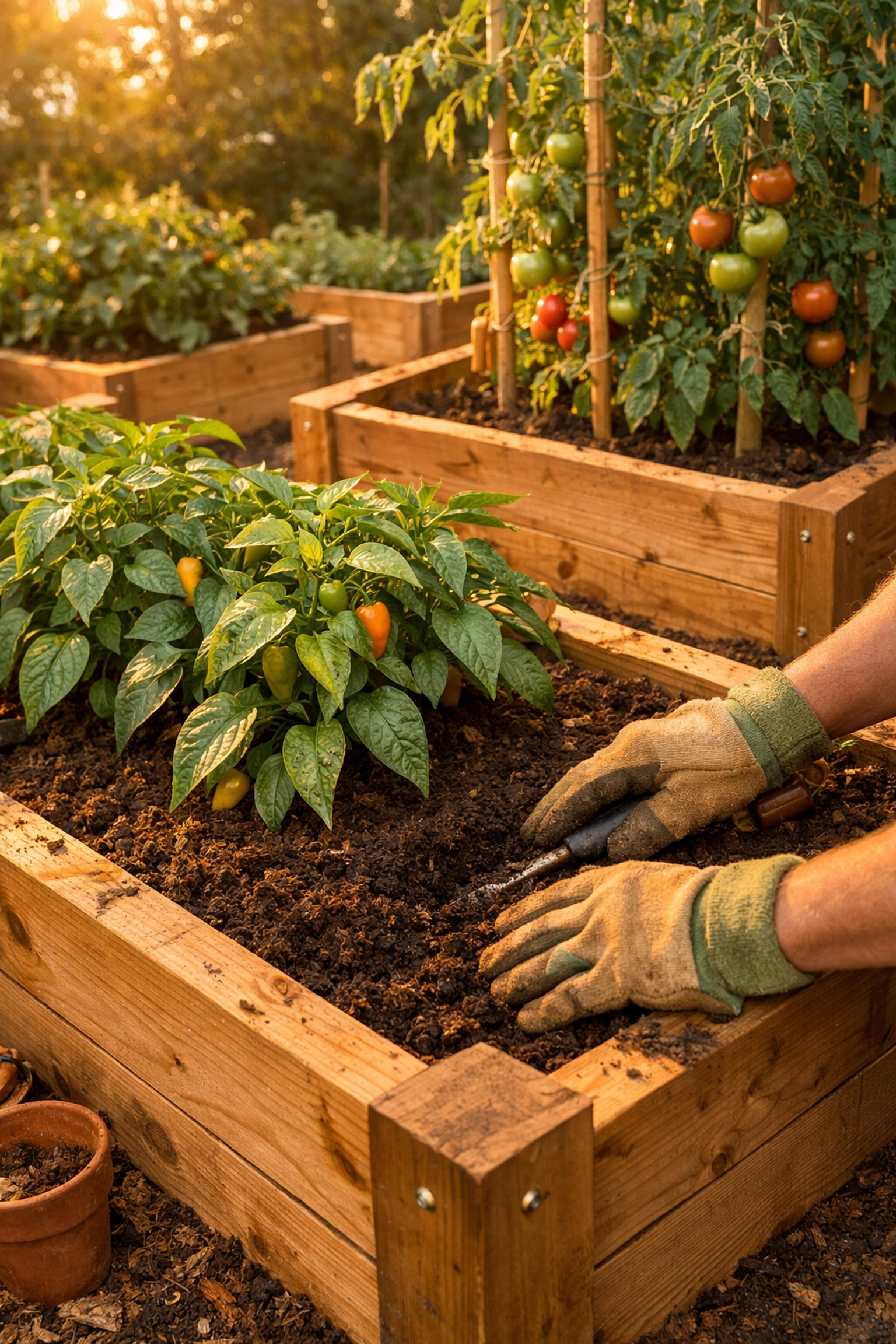
This is where raised beds truly shine. You get to build the perfect soil blend for your specific crops. Growing those gorgeous ghost peppers or delicate lemon cucumbers? You can create exactly the drainage and nutrient profile they need. Mix quality topsoil with compost, add perlite for drainage, and you've got a foundation that would make any heirloom variety thrive.
I've worked with gardeners who had soil so poor that nothing would grow there. After building raised beds and filling them with a custom mix, they were harvesting California Wonder bell peppers and Scotch bonnet peppers like champions. That level of control is genuinely transformative.
Drainage and Warmth
The elevation provides natural drainage, which prevents waterlogging and root rot. The soil also warms up faster in spring because it's exposed to more sunlight and air circulation. This means you can start planting earlier in the season: a real advantage if you're working with varieties that need a long growing season.
Easier on Your Body
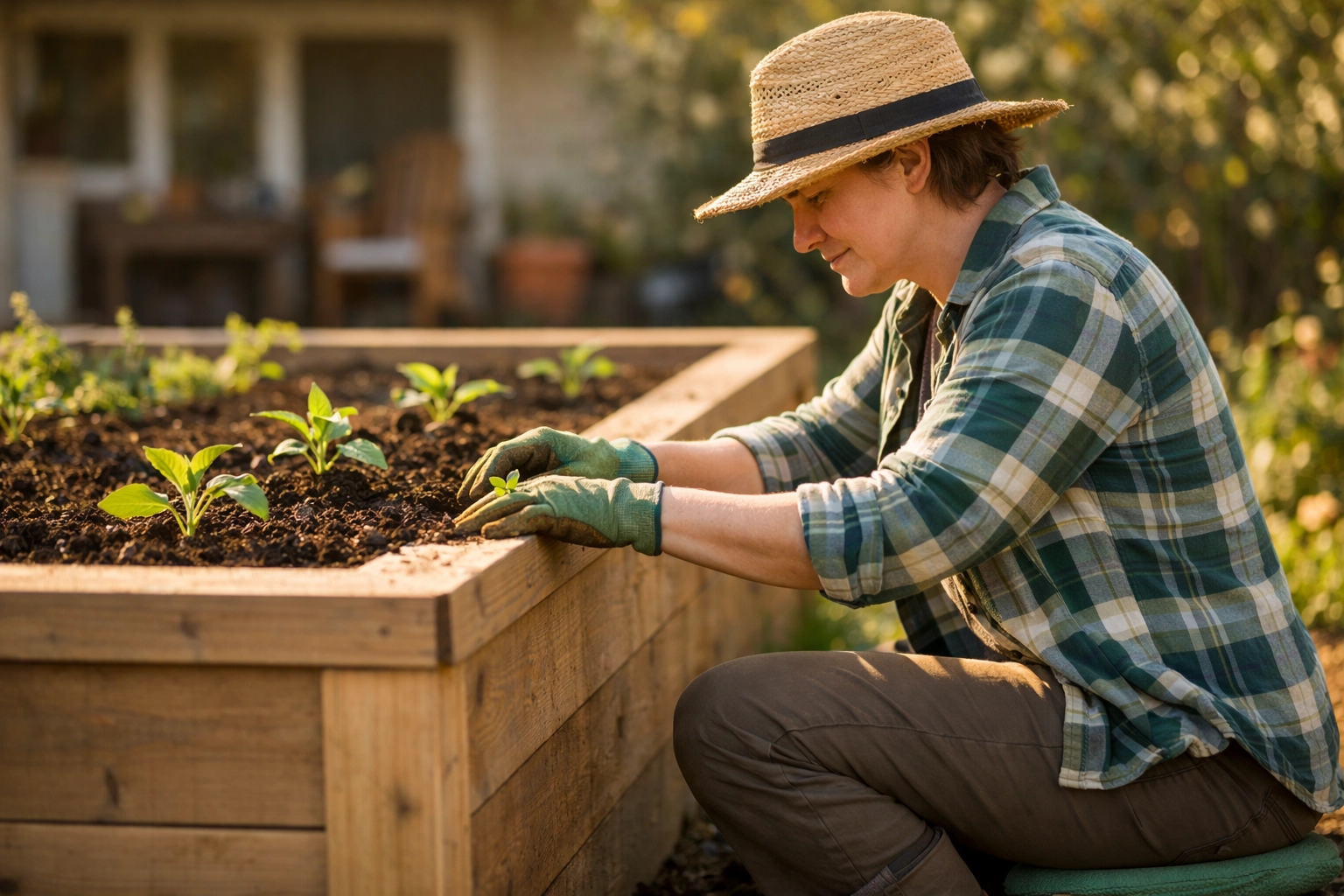
Let's be practical here. Gardening should be enjoyable, not a workout that leaves you aching for days. Raised beds bring the garden up to you. Less bending, less kneeling, less strain on your back and knees. For many gardeners, this accessibility factor alone makes raised beds worth every penny.
Weed Management
When you fill raised beds with fresh soil, you're starting with a clean slate. No weed seed bank lurking beneath the surface. The defined edges also make it easier to spot and remove any weeds that do appear. You'll still need to stay on top of maintenance, but the workload is noticeably lighter.
The Trade-Offs
Now, raised beds aren't perfect. They dry out faster than in-ground gardens because of increased air exposure on all sides. In hot, arid climates, you might find yourself watering twice daily during peak summer. That's something to consider seriously before committing.
The upfront investment can also be substantial. Quality lumber, hardware, and enough soil to fill multiple beds adds up quickly. If you're on a tight budget, this might influence your decision.
The In-Ground Advantage
There's something deeply satisfying about working directly with the earth beneath your feet. In-ground gardening is how humans have grown food for thousands of years, and it still has compelling advantages.
Cost Effectiveness
You can't beat the economics. No construction materials, no purchasing cubic yards of soil. If your native soil is decent, you can start planting with minimal investment. Even if you need to amend the soil, you're still spending far less than building and filling raised beds.
Unlimited Scale
Want to grow a sprawling patch of heirloom tomatoes? Planning to experiment with different pepper varieties? In-ground gardens give you room to expand. There are no physical boundaries limiting your ambition. You can dedicate as much space as you have available.
Deep Root Development
Plants in the ground can send roots as deep as they want, accessing moisture and nutrients from lower soil layers. This creates more resilient plants that can weather drought better. Those deep roots also mean sturdier plants that stand up to wind and heavy fruit loads.
During dry spells, in-ground gardens often outperform raised beds because the plants can tap into moisture reserves deeper down. It's like having a savings account your plants can draw from when times get tough.
Natural Soil Ecosystem
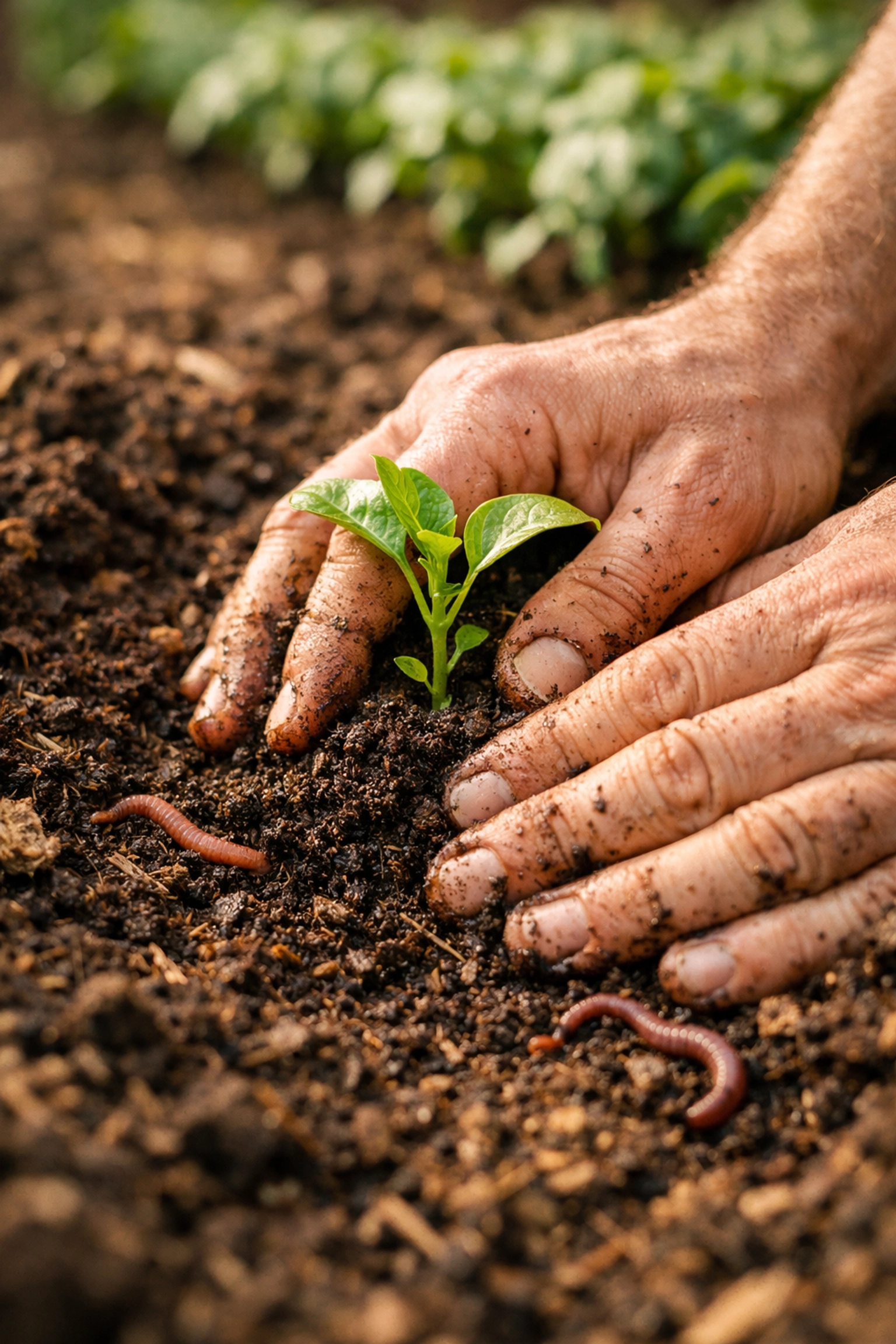
Your native soil contains beneficial microorganisms, fungi, and earthworms that have established complex relationships over time. When you work with this existing ecosystem rather than creating an artificial one, you're tapping into nature's established systems.
The Challenges
In-ground gardening means you're at the mercy of your native soil quality. If you're dealing with compacted clay, rocky terrain, or contaminated urban soil, you'll face an uphill battle. Soil improvement is possible, but it takes years of consistent amendment and effort.
Weeds are also more persistent. Your soil contains countless weed seeds just waiting for the right conditions to germinate. You'll need consistent maintenance, mulching, and vigilance to keep them under control.
Making Your Decision
So which path should you choose? Let me offer some scenarios that might help clarify things.
Choose Raised Beds If:
You have poor native soil that would require years of improvement. Your property has contamination concerns from previous use. You need better accessibility due to physical limitations. You're gardening in a small space where organization and efficiency matter. You want precise control over soil composition for specialty crops.
Choose In-Ground If:
Your native soil is already good quality. You're planning a large-scale garden with space-hungry crops. Cost is a significant factor in your decision. You prefer working with established soil ecosystems. You're in a climate where soil moisture retention is crucial.
Growing Heirloom Varieties Successfully
Regardless of which method you choose, the key to success with heirloom seeds lies in understanding their specific needs. Those ghost peppers need consistent heat and well-draining soil. Lemon cucumbers want steady moisture. California Wonder bell peppers thrive with full sun and rich soil.
Both raised beds and in-ground gardens can provide these conditions when managed properly. The method matters less than your commitment to understanding what your plants need and providing it consistently.
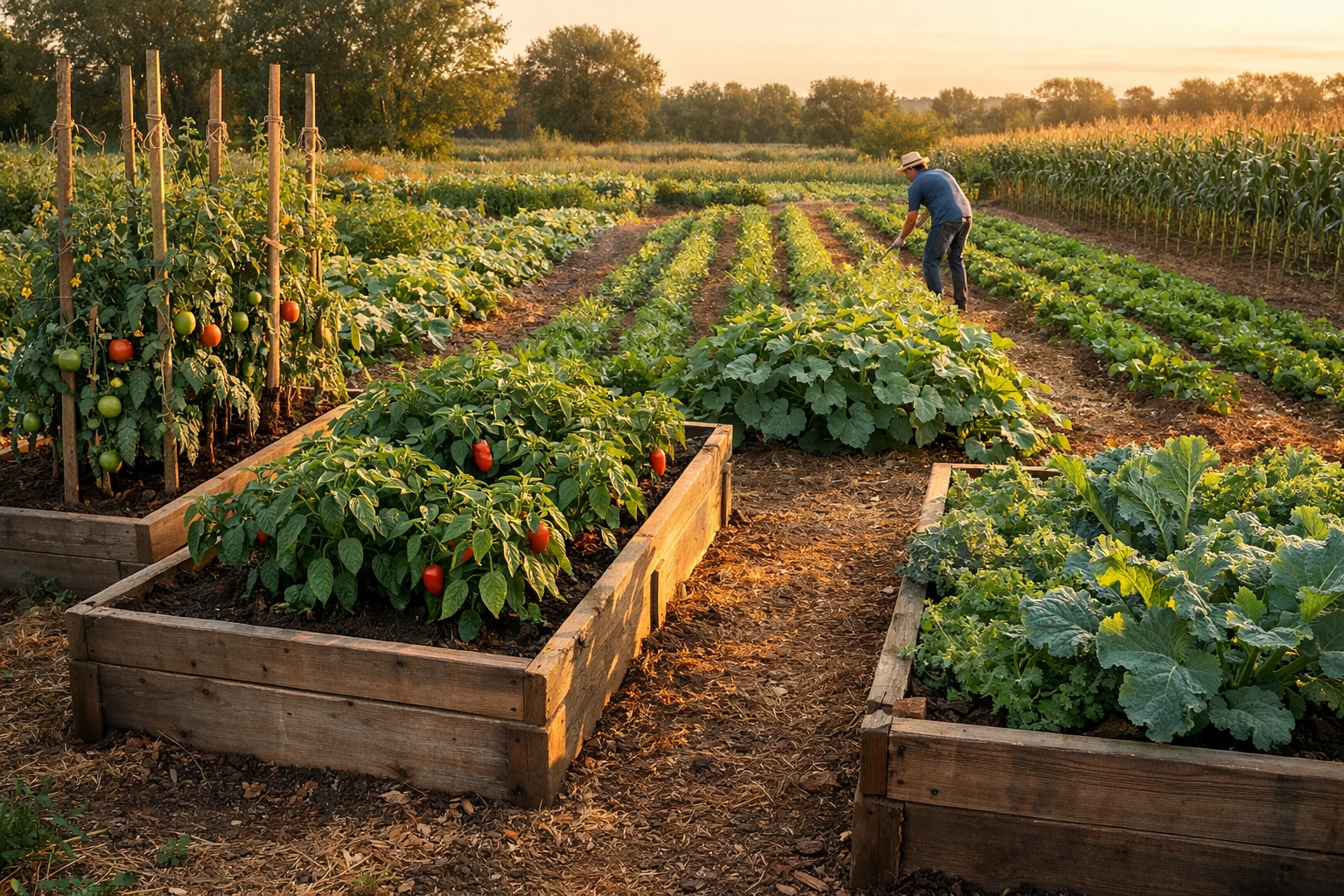
The Hybrid Approach
Here's something many gardeners discover after a few seasons: you don't have to choose just one method. I've seen beautiful gardens that combine both approaches strategically.
Use raised beds for crops that need special soil conditions or for plants you want easy access to: herbs, salad greens, or peppers you'll harvest frequently. Plant larger crops like tomatoes, squash, or corn in-ground where they have room to spread and roots can go deep.
This hybrid approach lets you enjoy the benefits of both methods while minimizing their respective drawbacks.
Your Garden Journey Starts Here
Whether you build up or dig in, the most important factor is that you get started. The perfect garden method is the one you'll actually use and maintain. Don't let analysis paralysis keep you from planting those heirloom seeds you've been dreaming about.
Start with one approach based on your current situation. Pay attention to how your plants respond. Learn from each season. Your garden will teach you what works best in your specific conditions with your particular crops.
The beautiful thing about gardening is that it's never too late to adapt and improve. Raised bed not draining well? Add more perlite next season. In-ground plot too weedy? Try mulching more heavily. Every challenge has a solution, and every season brings new opportunities to refine your approach.
Your heirloom vegetables are waiting to be grown. Choose the method that makes sense for you right now, and get those seeds in the soil. That's where the real learning happens.