
In my years of helping gardeners make the most of their growing spaces, I've seen countless folks transform tiny patios, balconies, and postage-stamp backyards into thriving vegetable gardens. The secret? Square foot gardening. This method has revolutionized how we think about space, turning limitations into creative opportunities.
If you've ever looked at your small yard and thought, "There's no way I can grow a real garden here," then this guide is for you. Let's dig into how square foot gardening can help you grow more food in less space than you ever imagined possible.
What Is Square Foot Gardening?
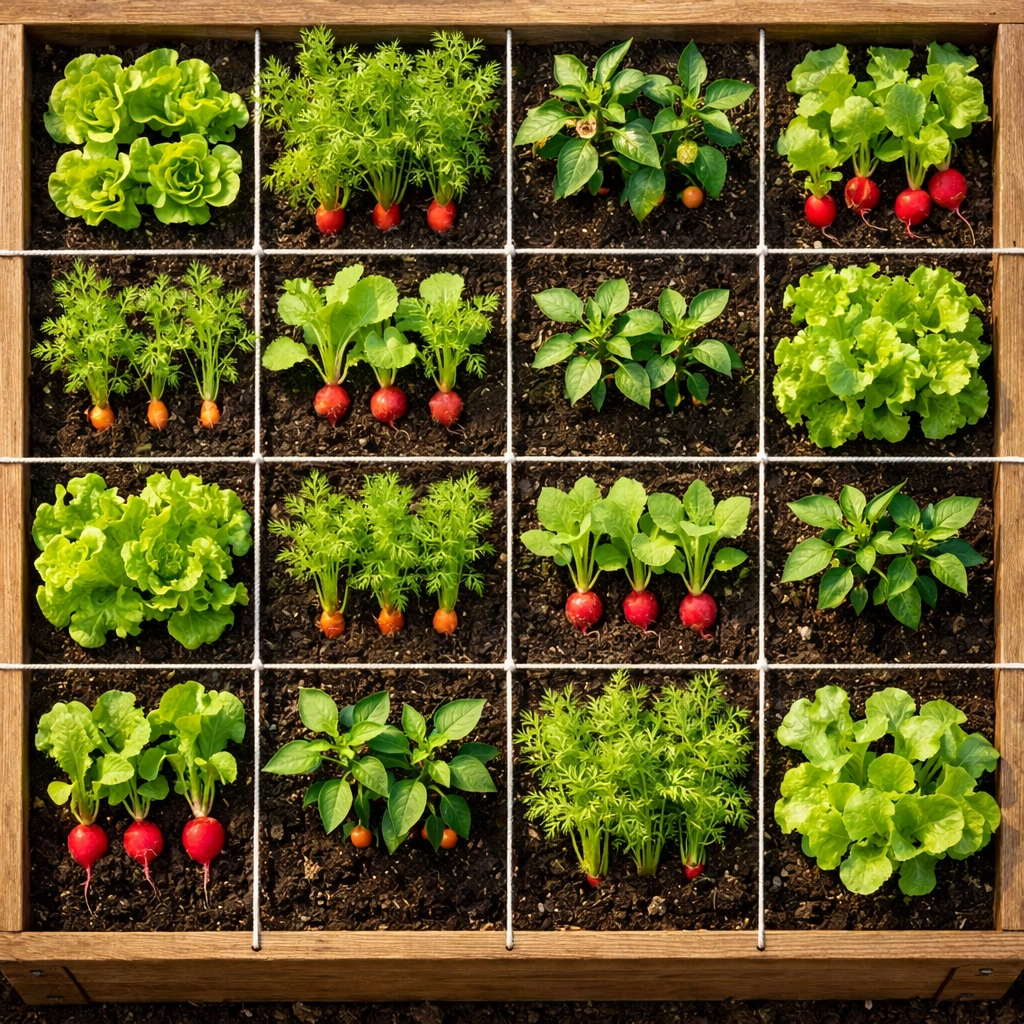
Square foot gardening is a space-efficient growing method that divides your garden bed into a grid of one-foot sections. Instead of planting in traditional rows with pathways between them, you maximize every inch by organizing your crops into these compact squares. Each section holds a specific number of plants based on their mature size.
Think of it like organizing a closet with compartments: everything has its place, nothing gets wasted, and you can fit far more than you thought possible. A single 4×4 foot raised bed gives you 16 individual growing squares, and each one becomes a mini garden for specific crops.
The beauty of this system is its simplicity. You don't need years of gardening experience or fancy equipment. You just need some basic materials, quality soil, and seeds that perform well in intensive plantings: like the heirloom varieties we offer at Farmer Flints.
Why Square Foot Gardening Works for Small Spaces
Eliminates Wasted Pathways: Traditional row gardening dedicates nearly half your space to walkways. Square foot gardening removes those inefficient paths, letting you dedicate 80% more of your area to actual growing. For someone with a small backyard or patio, this difference is game-changing.
Intensive Planting Produces More: When you plant densely in nutrient-rich soil, your vegetables actually grow better. The close spacing creates a living mulch effect where plant leaves shade the soil, keeping it cooler and retaining moisture. I've seen gardeners harvest twice as much produce from a 4×8 bed as they did from a traditional garden three times that size.
Dramatically Reduced Maintenance: Dense planting naturally suppresses weeds because there's simply no room for them to establish. You'll spend far less time pulling weeds and more time harvesting. The method also uses about 90% less water than conventional gardening since you're focusing moisture exactly where plants need it.
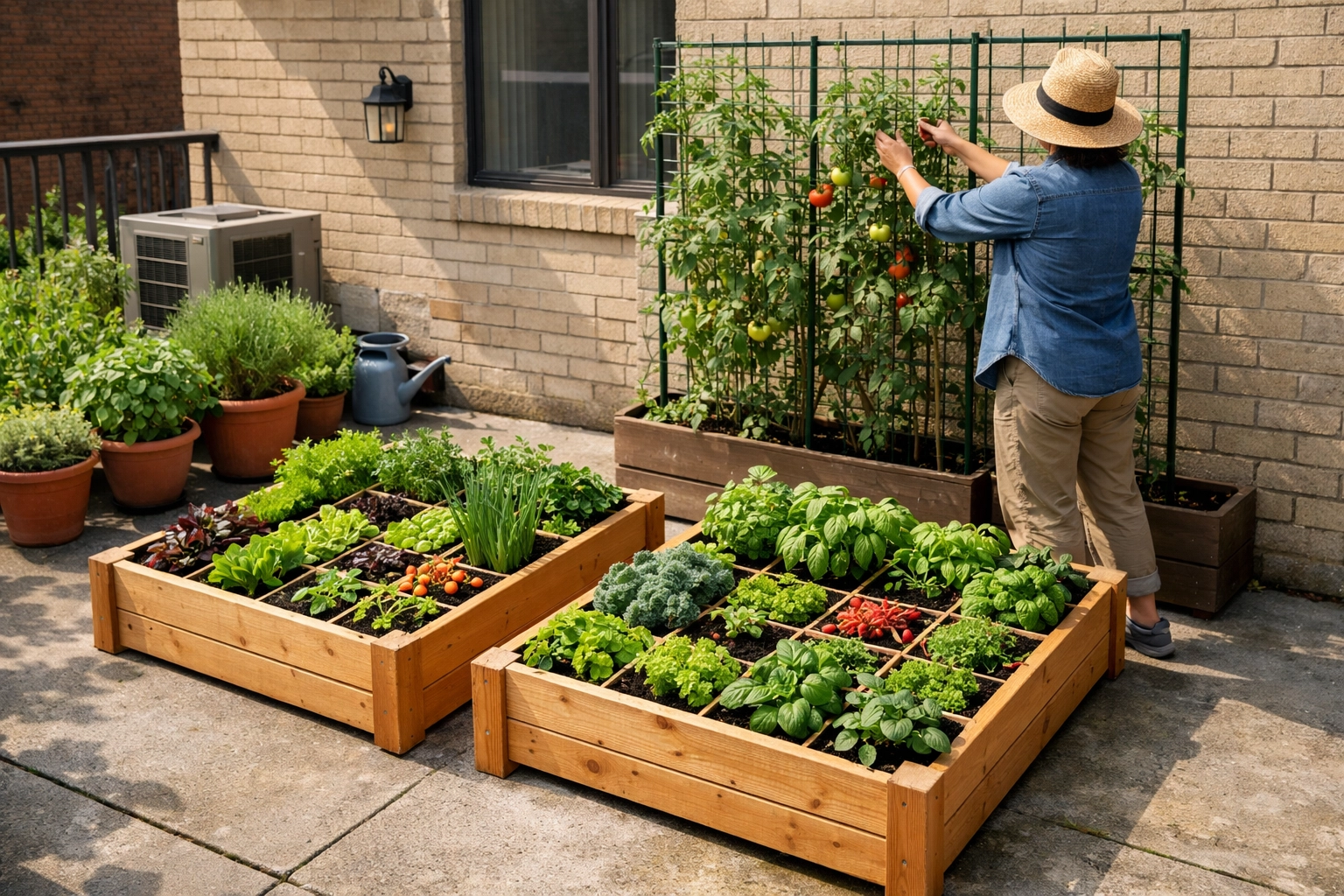
Perfect for Challenging Locations: Got a concrete patio? Terrible soil? No problem. Square foot gardens are built in raised beds with fresh growing medium, so you can literally garden anywhere: on top of pavement, over contaminated soil, or even on a rooftop.
Setting Up Your Square Foot Garden
Build Your Raised Bed: Start with a simple frame made from untreated lumber. A 4×4 foot bed is perfect for beginners: it gives you 16 squares to work with and you can reach the center from any side without stepping on the soil. Use 2×6 inch boards for a 6-inch deep bed, or stack them for 12 inches of depth if you want to grow root vegetables like carrots.
Fill With Quality Soil: This is where many gardeners stumble. Your soil mix needs to be light, fluffy, and nutrient-dense. The classic "Mel's Mix" consists of equal parts compost, peat moss or coconut coir, and vermiculite. This combination drains well while holding moisture, and it stays loose so roots can spread easily. Remember: you're planting intensively, so your soil needs to support that density.
Create Your Grid: Divide your bed into one-foot squares using string, thin wood strips, or even garden tape. This visual grid is essential for planning what goes where and keeping your spacing accurate.
Planting Your Square Foot Garden with Heirloom Seeds
Here's where things get exciting. Each square accommodates a different number of plants based on their mature size. Small plants like radishes or carrots get 16 per square. Medium plants like spinach or beets get 9 per square. Larger plants like peppers or cabbage get 4 per square. And the really big ones: tomatoes, squash, eggplant: get one square all to themselves.
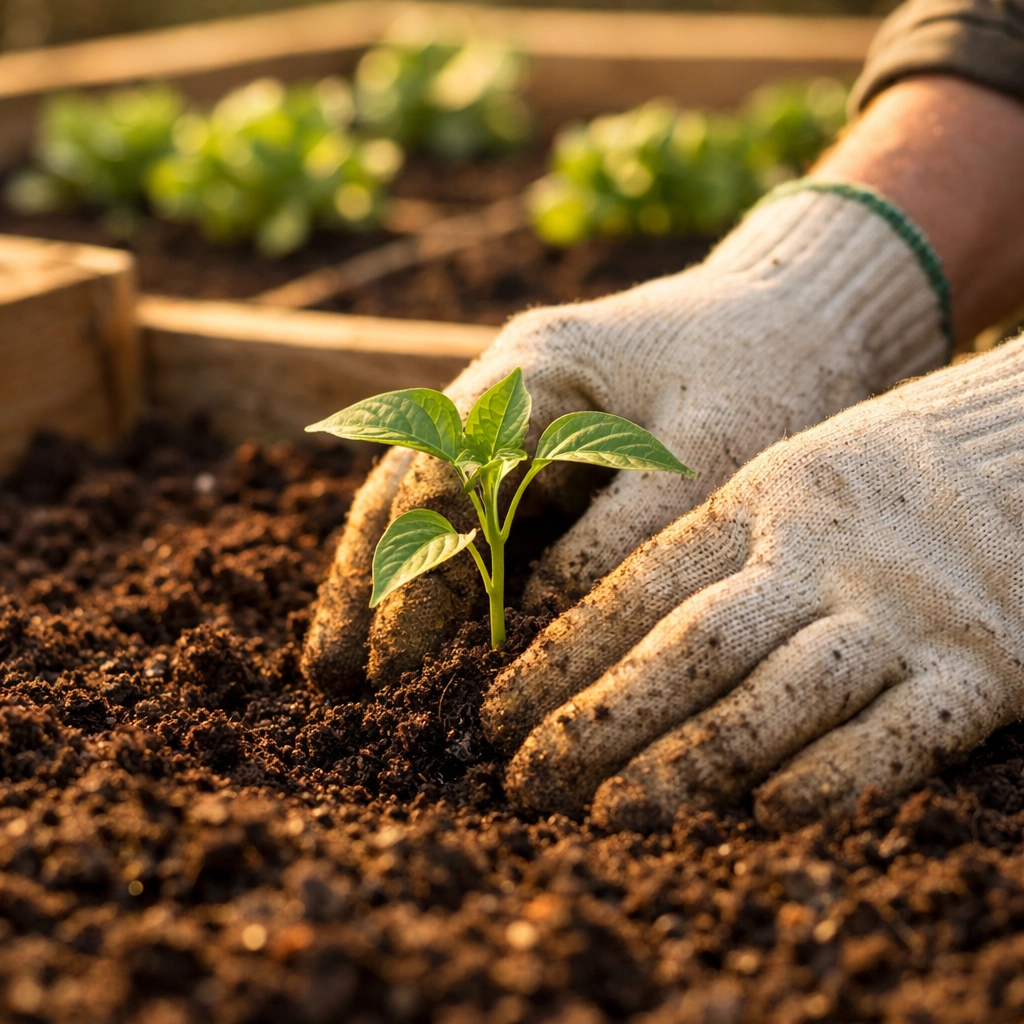
Peppers Thrive in Squares: Our California Wonder Bell Pepper seeds perform beautifully in square foot setups. Plant one pepper per square, and you'll get impressive yields. For those who like heat, try our Scotch Bonnet or Ghost Pepper seeds: one plant per square produces enough spicy peppers to last all season.
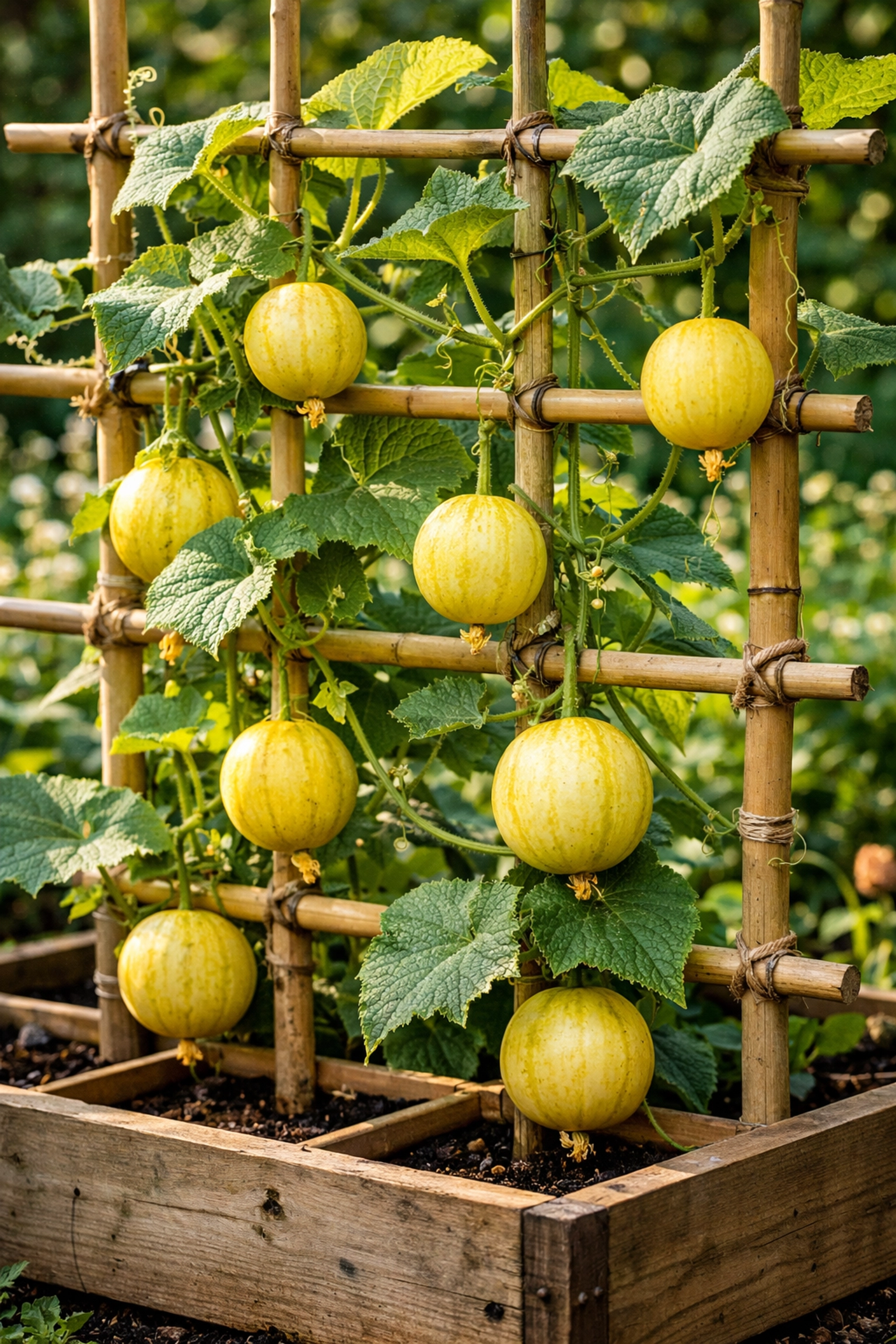
Cucumbers Love Vertical Growing: Plant our Lemon Cucumber seeds at one per square, then add a trellis. They'll climb upward, saving space and producing clean, easy-to-harvest fruits. Vertical growing is one of the best strategies for small space gardening.
Quick-Growing Crops for Succession Planting: Dedicate a few squares to fast-maturing crops like lettuce, radishes, or green onions. When you harvest, immediately replant those squares with a new crop. This rotation keeps your garden producing continuously from spring through fall.
Tips for Square Foot Garden Success
Start Small and Expand: Your first year, build just one or two beds. Learn the system, understand how much produce you actually get, and then expand if you want more. Many gardeners are shocked by how much food comes from a single 4×4 bed: you might find that's all you need.
Consider Your Climate: Before planting, know your growing zone and frost dates. Our guide on understanding hardiness zones helps you time your plantings perfectly. Square foot gardens warm up faster than in-ground plots, so you can often start planting earlier in spring.
Feed Consistently: With intensive planting, your soil works harder than traditional gardens. Add compost between plantings and consider occasional liquid fertilizer during the growing season. Your plants are packed closely together, competing for nutrients, so keep that soil rich.
Plan Your Layout Strategically: Place taller plants on the north side of your bed so they don't shade shorter crops. Group plants with similar water needs together. Put your herbs along the edges for easy snipping while cooking.
Water Wisely: Square foot gardens need consistent moisture, but the dense planting helps retain it. Water at the base of plants rather than overhead to prevent disease. A simple drip irrigation system or soaker hose makes this nearly effortless.
Why Heirloom Seeds Excel in Square Foot Gardens
When you're growing intensively in a small space, seed quality matters more than ever. Heirloom varieties have been selected over generations for flavor, disease resistance, and reliable performance: exactly what you need when every square inch counts.
Our heirloom seeds are open-pollinated, meaning the plants grow true to type and you can save seeds from your best performers for next year. This creates a sustainable cycle where your garden gets better season after season. Plus, the superior flavor of heirloom vegetables makes every harvest feel like a victory.
Browse our full selection of garden seeds to find varieties that work perfectly in compact growing situations. We've tested these extensively and selected only varieties that produce reliably in intensive plantings.
Making It Work for You
Square foot gardening isn't just a space-saving technique: it's a complete shift in how you approach growing food. It removes the intimidation factor that stops many people from starting a garden. You don't need to till a huge plot or know complicated spacing formulas. You just need a small raised bed, good soil, quality seeds, and the willingness to try.
I've watched apartment dwellers grow enough salad greens to feed their families all summer from a single 2×4 bed on a balcony. I've seen suburban gardeners replace a patch of lawn with three square foot beds and harvest more vegetables than they can eat. The method works because it respects both the limitations of small spaces and the incredible productivity potential of well-managed soil.
Your journey toward a productive garden doesn't require acres of land. It just requires intention, good planning, and the right approach. Square foot gardening gives you all three in a tidy, organized package that fits wherever you have even a small sunny spot.
Start with one bed this season. Plant a mix of your favorite vegetables using quality heirloom seeds. Follow the simple spacing guidelines, keep your soil fed and watered, and watch what happens. You might be surprised by just how much food you can grow in such a small footprint. That's the magic of working smarter, not bigger: and it's a lesson that serves gardeners well regardless of how much space they have to work with.