In my years working with gardeners of all experience levels, I've watched the same transformation happen time and again. Someone starts composting, and within a season or two, their garden goes from struggling to thriving. It's not magic: it's just good soil biology at work. Composting might seem like extra effort at first, but once you see what it does for your plants, you'll wonder how you ever gardened without it.
Let me walk you through why composting is one of the best investments you can make in your garden's future, especially if you're growing from heirloom seeds that deserve the best possible start.
Transforming Your Soil Structure
Compost works like a mediator between extreme soil types, and this is where things get really interesting. If you've got heavy clay soil that turns into concrete when it dries, compost creates tiny aggregates that form channels for air and water to move through. On the flip side, if your soil is sandy and drains faster than you can water it, compost acts like a sponge, holding moisture where plant roots can actually use it.
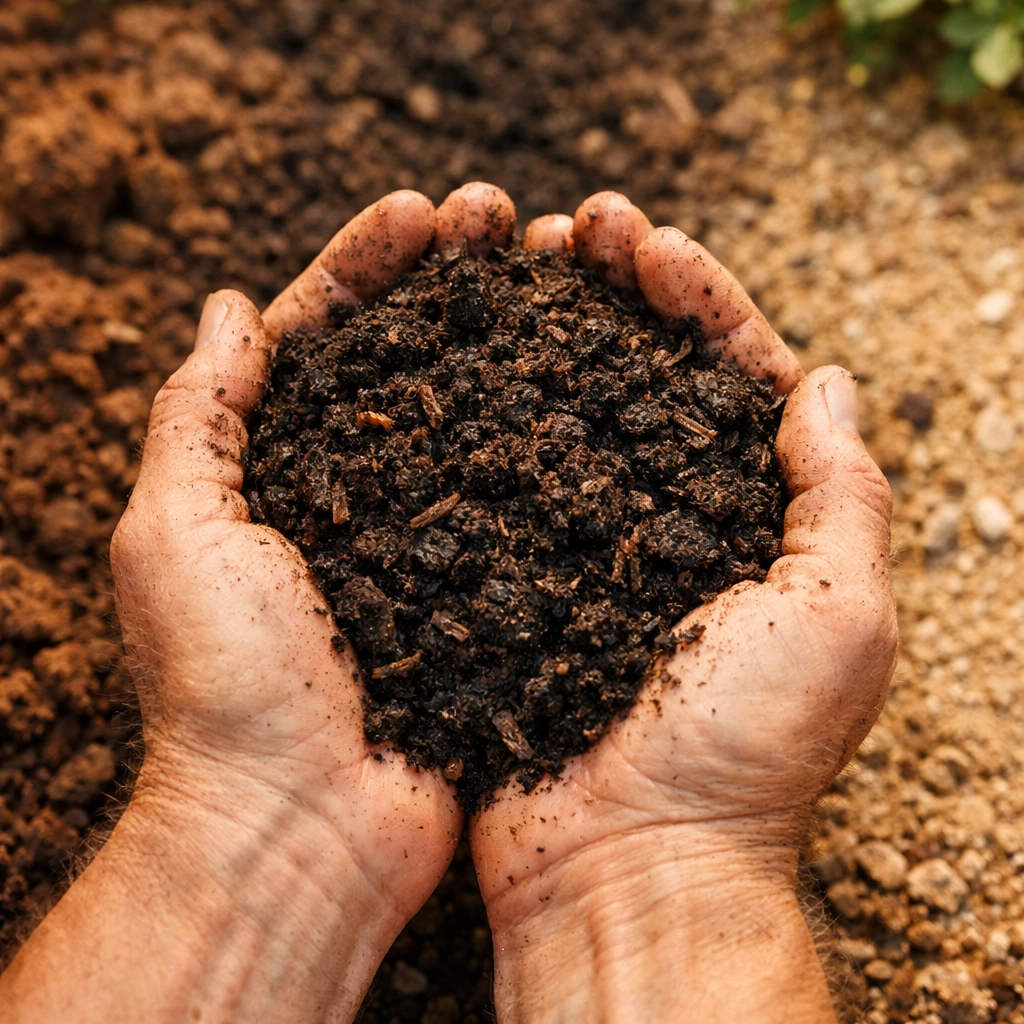
The organic matter in compost absorbs water better than sand particles but releases it more readily than clay. This balance means your plants get consistent moisture instead of feast-or-famine conditions. I've seen gardeners completely turn around problem garden beds just by working in compost year after year.
Here's something that surprised me when I first learned about it: compost actually helps plant roots grow deeper and stronger. Those improved soil channels and better structure mean roots can explore more soil volume, accessing nutrients and water that would otherwise be out of reach. When you're growing something like our Ghost Pepper seeds, which need strong root systems to support that intense heat production, this deeper root growth makes all the difference.
Balancing Your Soil's pH
Now, you might have heard that you need to constantly adjust your soil pH with lime or sulfur, but compost offers a gentler approach. Because compost has a neutral pH and increases your soil's cation exchange capacity, basically its ability to hold onto nutrients: it gradually brings both acidic and alkaline soils closer to neutral.
This isn't an overnight fix, and that's actually a good thing. Slow, steady changes in soil chemistry are easier on your plants than dramatic pH swings. Think of it like adjusting the temperature in a greenhouse: you want gradual shifts, not shock therapy.
Feeding Your Plants the Right Way
The beauty of compost is how it releases nutrients. Unlike synthetic fertilizers that dump everything at once (often leading to nutrient burn or runoff), compost provides a steady, slow-release buffet of nutrition. Your plants get nitrogen, phosphorus, potassium, and a whole suite of micronutrients as they need them.
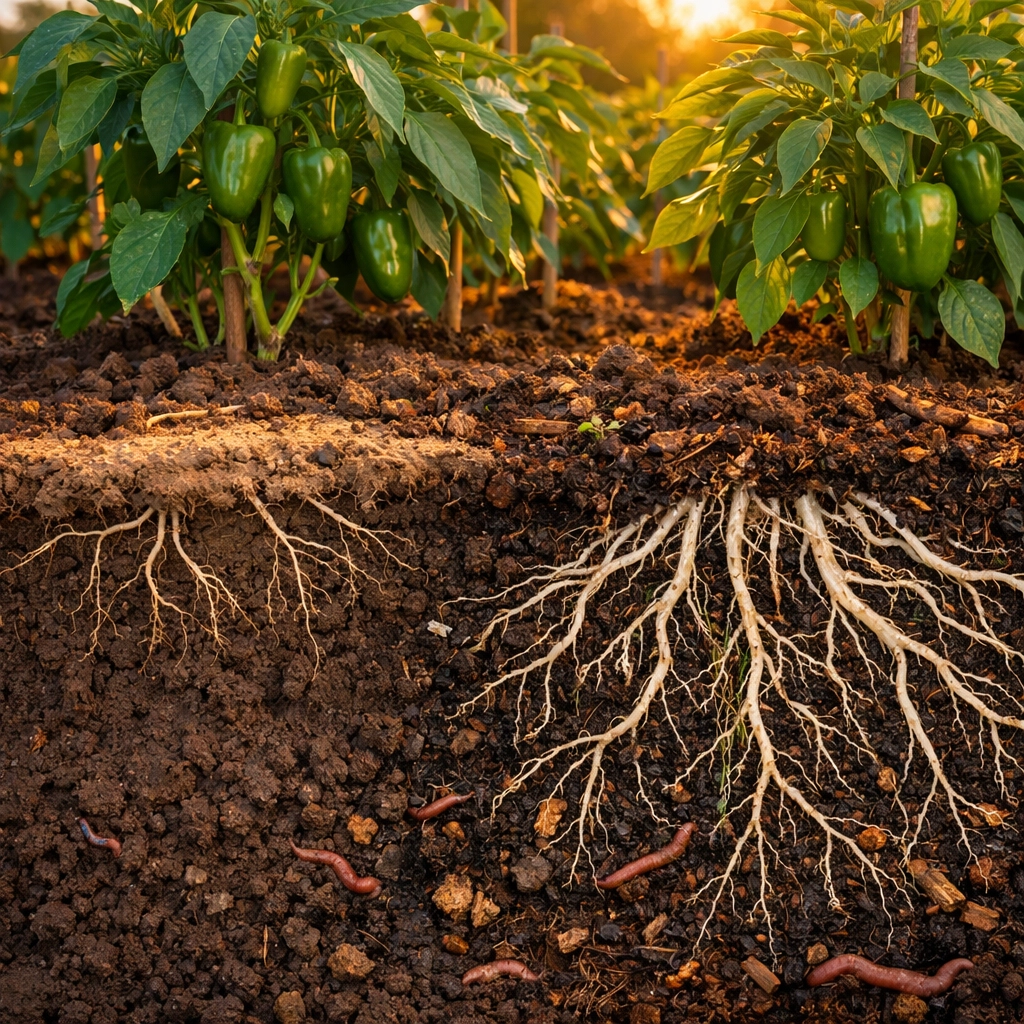
This steady feeding approach is particularly valuable for heirloom varieties that weren't bred for heavy fertilizer use. When you're planting something like California Wonder Bell Peppers, which have been around since the 1920s, you're working with genetics that expect natural soil fertility patterns, not chemical blasts.
The healthier soil structure we talked about earlier works hand-in-hand with this nutrition. Better structure means better root development, which means more efficient nutrient uptake. It's all connected: improved soil leads to stronger plants, which leads to better harvests.
Nature's Pest and Disease Defense System
Here's where composting gets really cool from a biological perspective. Good compost is loaded with beneficial bacteria and fungi: the kind that help prevent plant diseases. These microscopic allies compete with pathogens for space and resources, essentially crowding out the bad guys before they can cause problems.
I've watched gardeners dramatically reduce their need for fungicides and pesticides just by consistently using quality compost. The plants become more resilient, better able to shrug off attacks that would have devastated them in depleted soil.
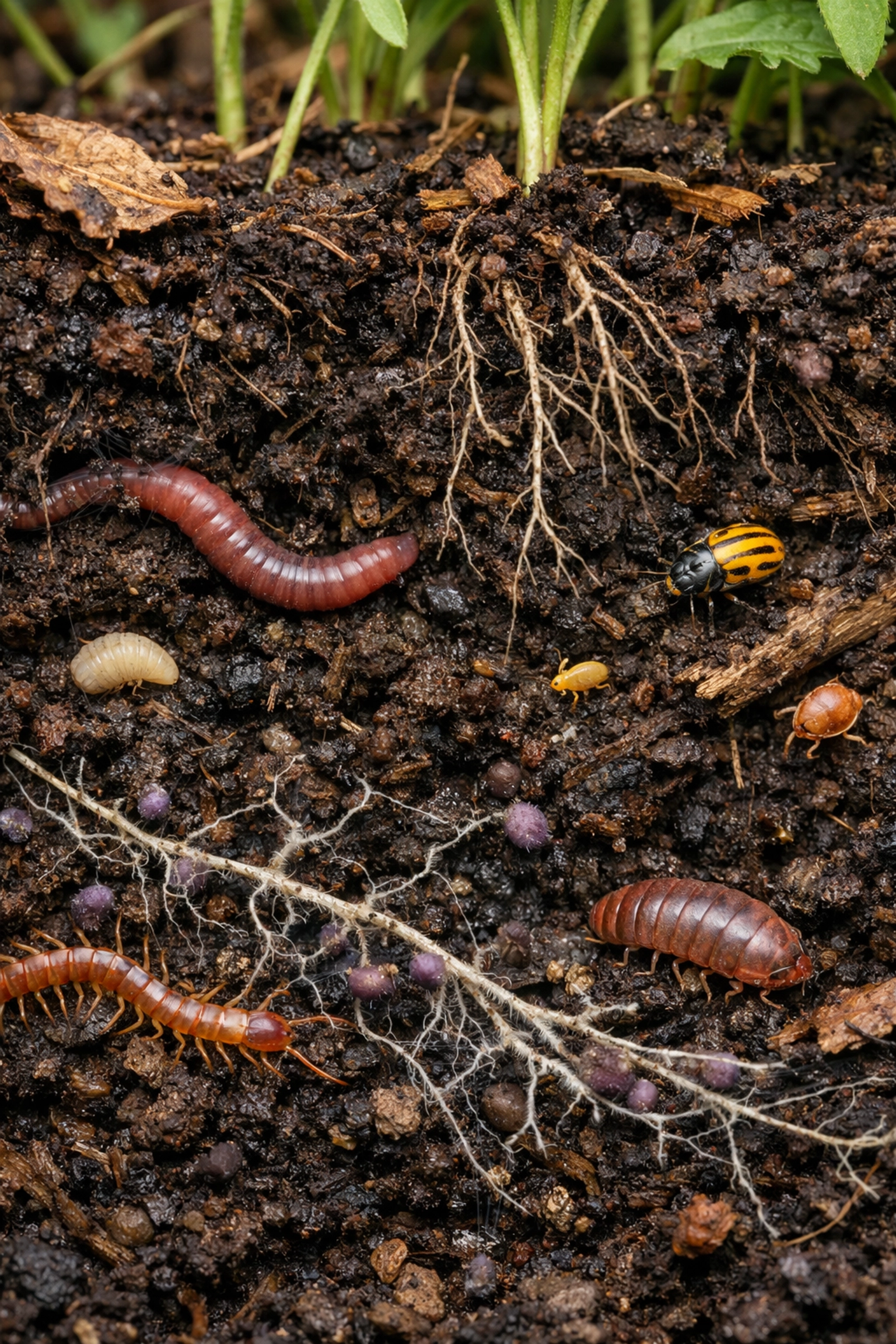
Compost also encourages earthworms, beneficial insects, and other soil organisms that further improve soil structure through their tunneling and contribute additional organic matter when they complete their life cycles. It's a self-reinforcing system: the better your soil gets, the more life it supports, and the more life it supports, the better it gets.
Protecting Your Soil from Erosion
If you've ever experienced a heavy rainstorm washing away exposed garden soil, you know how frustrating erosion can be. Compost helps bind soil particles together while simultaneously increasing water infiltration. This means water soaks in rather than running off, carrying your precious topsoil with it.
During drought conditions, that same improved water-holding capacity becomes a lifesaver. Soil amended with compost can hold significantly more moisture than unamended soil, giving your plants a reserve to draw from during dry spells. This resilience becomes especially important as weather patterns become less predictable.
The Economic and Environmental Case
Let's talk about your wallet for a moment. Bagged fertilizers and soil amendments add up quickly over a growing season. Composting kitchen scraps, yard waste, and garden debris essentially turns your "waste" into valuable soil nutrition. You're creating fertility instead of buying it.
The environmental benefits extend beyond your property line, too. When you compost at home, you're diverting organic material from landfills where it would decompose anaerobically and produce methane: a potent greenhouse gas. Instead, you're sequestering carbon in your soil, where it improves fertility rather than contributing to climate change.
Plus, reducing your reliance on chemical fertilizers means less manufacturing energy, less packaging waste, and less potential for nutrient runoff into waterways. It's amazing how many positive ripple effects come from something as simple as a compost pile.
Getting Started with Composting
You don't need fancy equipment or a big space to start composting. A simple pile in a back corner, a basic bin, or even a tumbler will work. The key ingredients are brown materials (carbon-rich items like dried leaves and cardboard), green materials (nitrogen-rich items like kitchen scraps and fresh grass clippings), air, and moisture.
Keep your pile about as moist as a wrung-out sponge, turn it occasionally to add oxygen, and let nature do the work. In a few months, you'll have dark, crumbly, earthy-smelling compost ready to transform your garden beds.
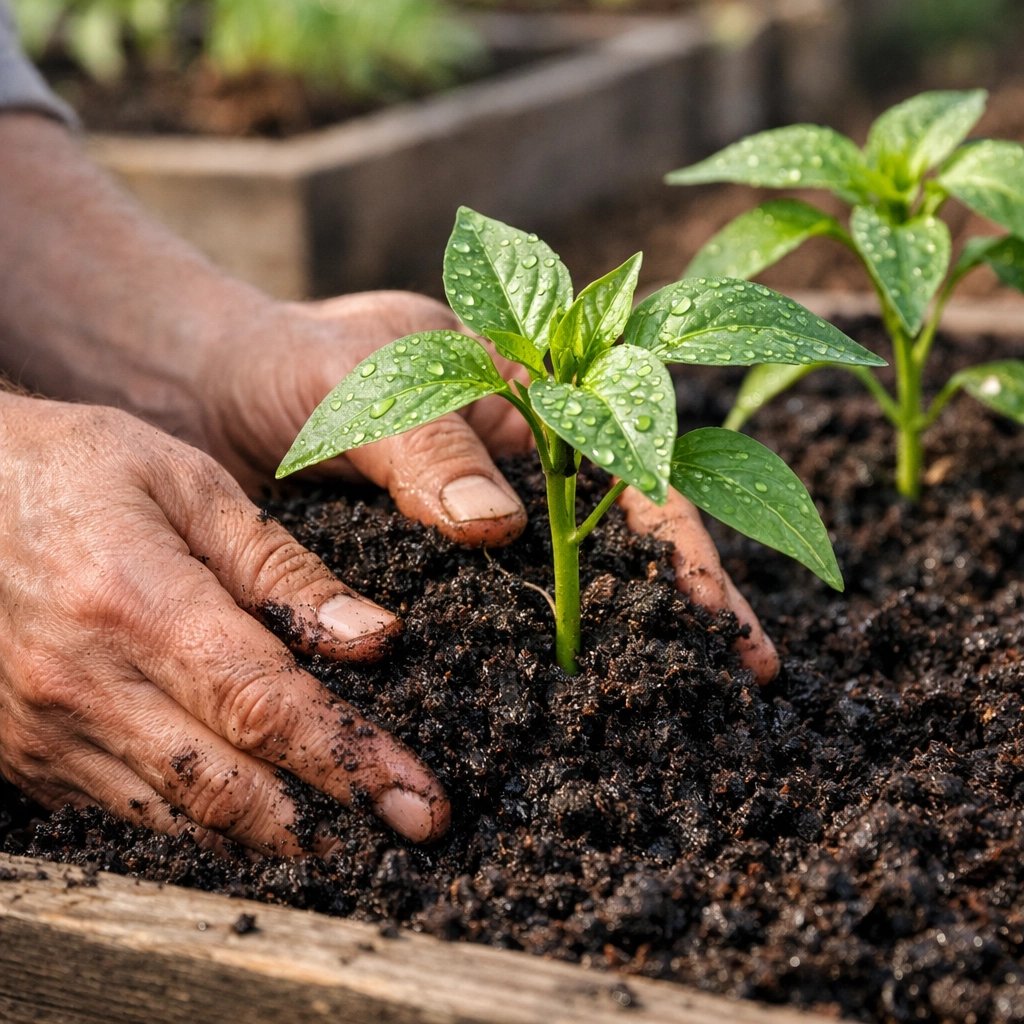
Start by working an inch or two of compost into your soil before planting, and use it as a top dressing around established plants. If you're direct-seeding lemon cucumbers or other heirlooms, a compost-enriched seed bed gives them the best possible start.
Building Long-Term Soil Health
The real magic of composting isn't what it does in one season: it's the cumulative effect over years. Each application builds on the last, gradually transforming even the most challenging soil into a living, breathing ecosystem that supports plant health naturally.
Think of composting as an investment in your garden's future. The time you spend building and maintaining a compost pile pays dividends in reduced water use, fewer pest problems, better harvests, and soil that gets better every year instead of depleting over time.
Your garden soil is the foundation of everything you grow. Feed it well with compost, and it will feed your plants well in return. Whether you're growing fiery peppers, sweet bell peppers, or crisp cucumbers from heirloom seeds, the journey to a thriving garden starts with healthy, living soil. Composting is one of the simplest, most effective ways to get there.