
In my years of working with gardeners, I've noticed something interesting: the ones who mulch their vegetable gardens consistently spend less time fighting problems and more time enjoying the harvest. It's one of those simple practices that delivers compound benefits throughout the growing season.
If you're growing heirloom vegetables: whether it's those beautiful Cherokee Purple tomatoes or Golden Bantam corn: mulching becomes even more valuable. These plants have been passed down through generations for good reason, and giving them the right foundation helps them express their full potential.
Let me walk you through why mulching deserves a spot in your gardening routine.
What Mulching Actually Does
Think of mulch as a protective blanket for your soil. Whether you're using straw, wood chips, shredded leaves, or grass clippings, that layer creates a barrier between the soil surface and everything happening above it. This simple addition triggers a cascade of benefits that affect nearly every aspect of plant health.
Cuts Your Weeding Time Significantly
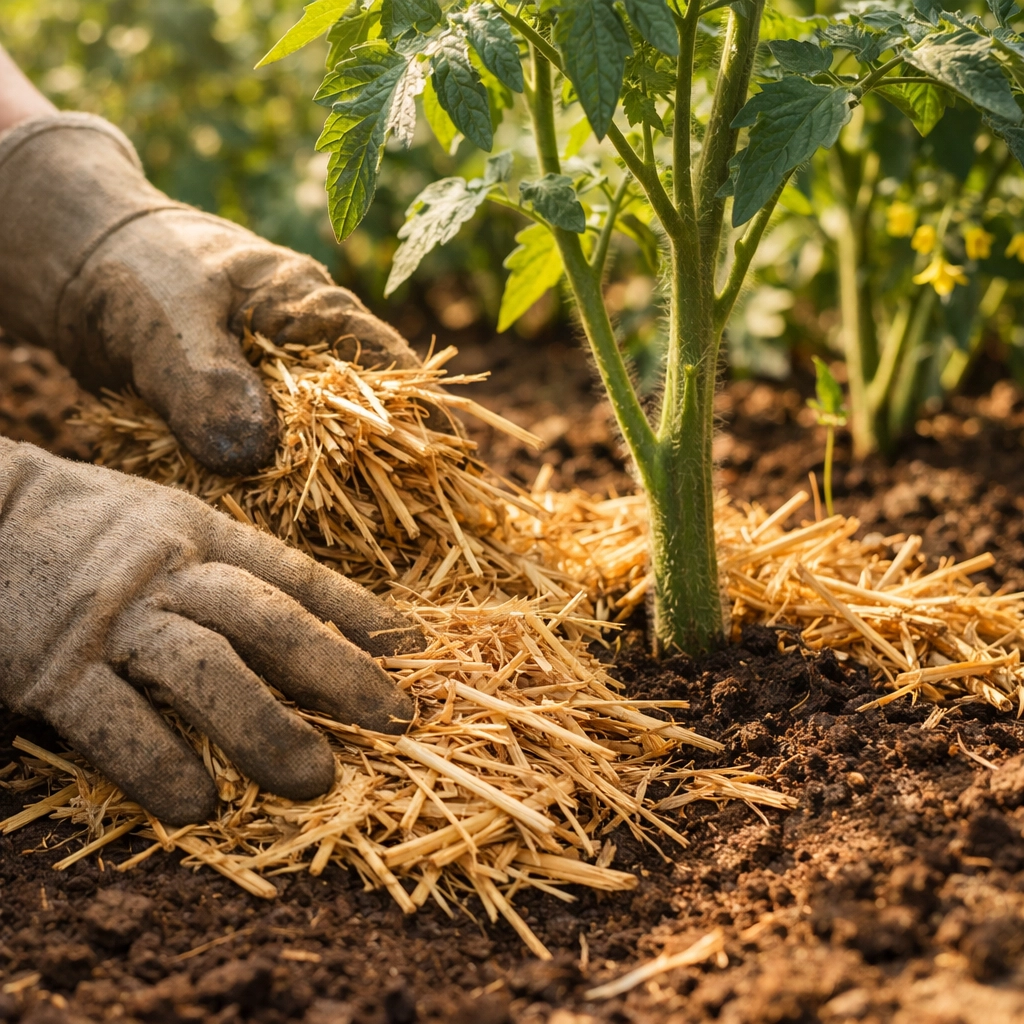
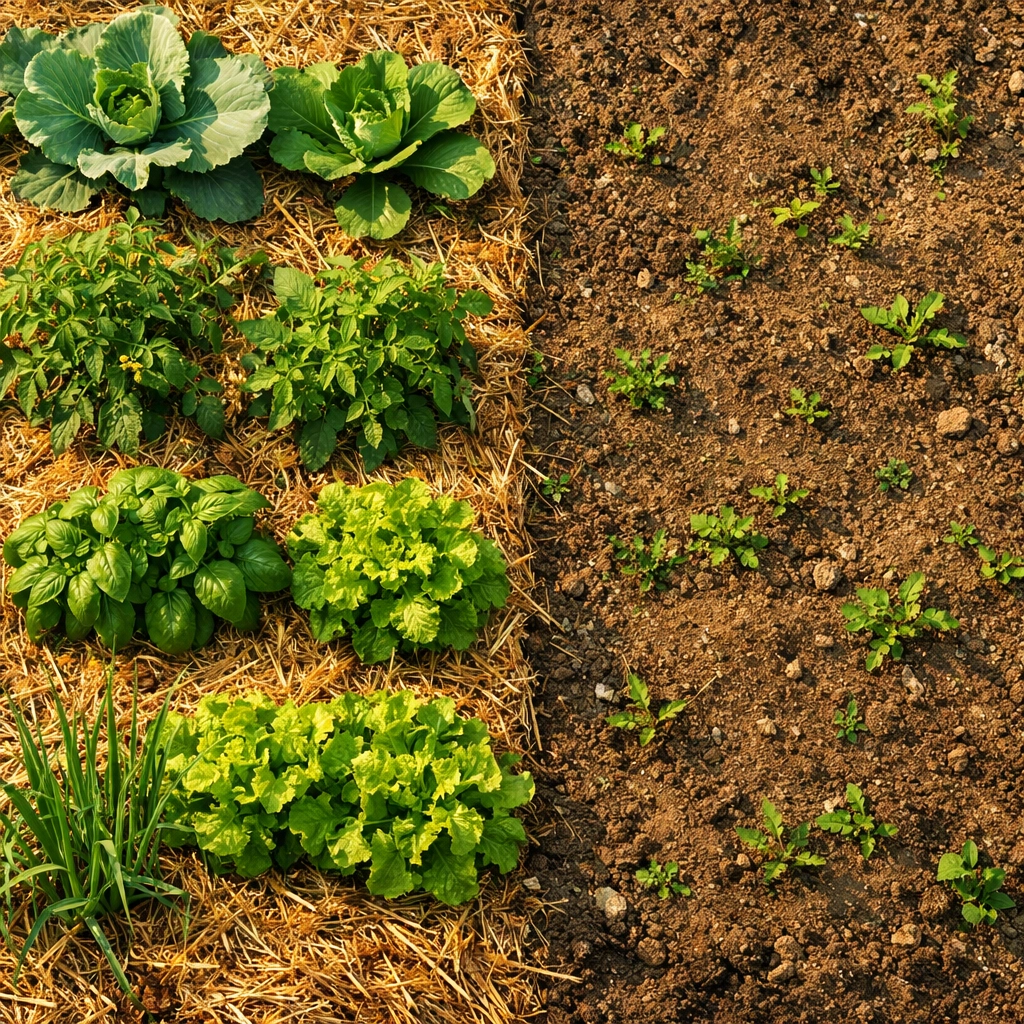
Here's something that'll make your back thank you: a proper three-inch layer of mulch can reduce your weeding workload by about two-thirds. I've watched gardeners reclaim their Saturday mornings once they committed to consistent mulching.
Mulch works by blocking light from reaching weed seeds in the soil. Most weeds need light to germinate, so that dark barrier prevents them from getting started in the first place. The weeds that do manage to push through? They're growing through loose material, which makes them incredibly easy to pull out: roots and all.
The best part is that this benefit compounds over time. Each season you mulch, you're adding to the suppression effect and depleting the weed seed bank in your soil.
Keeps Water Where Your Plants Need It
Water management becomes dramatically easier with mulch. That insulating layer slows evaporation from the soil surface, which means the moisture you add: whether from rain or irrigation: stays available to plant roots longer.
Research shows that mulched gardens can retain approximately twice as much soil moisture compared to bare soil gardens. During those hot summer weeks when you'd normally be out watering every evening, a well-mulched garden might only need water every few days.
This matters especially if you're growing water-sensitive heirlooms. Many traditional varieties weren't bred for modern drip irrigation systems: they evolved in gardens where moisture came more sporadically. Mulch helps recreate those more natural moisture patterns.
Regulates Soil Temperature
Your soil temperature affects more than you might think. It influences germination rates, root growth, nutrient availability, and even when certain crops decide to bolt and go to seed.
Mulch typically keeps summer soil temperatures 8 to 13 degrees cooler than unmulched soil. In winter, it provides insulation that prevents rapid temperature swings. This moderation creates a more stable environment where roots can grow steadily without stress.
For cool-season crops like lettuce and spinach, that temperature buffer can extend your harvest window significantly. Instead of bolting at the first sign of summer heat, mulched plants often hang on for several extra weeks of production.
Creates a Disease Barrier
This benefit surprises many gardeners, but it's one of the most valuable aspects of mulching. Soil harbors fungal spores naturally, and when rain hits bare ground, those spores splash up onto the lower leaves of your plants. This is how many common diseases: early blight, septoria leaf spot, and various mildews: get their start.
A thick mulch layer acts as a splash guard. Rain hits the mulch instead of the soil, and those fungal spores stay put. This is particularly important for tomatoes, which are prone to soil-borne diseases. Many experienced tomato growers won't plant without mulching first.
If you're growing rare heirloom varieties that might be less disease-resistant than modern hybrids, this protective barrier becomes even more crucial. You're not just protecting this year's crop: you're protecting those seeds you want to save for next season.
Builds Better Soil Over Time
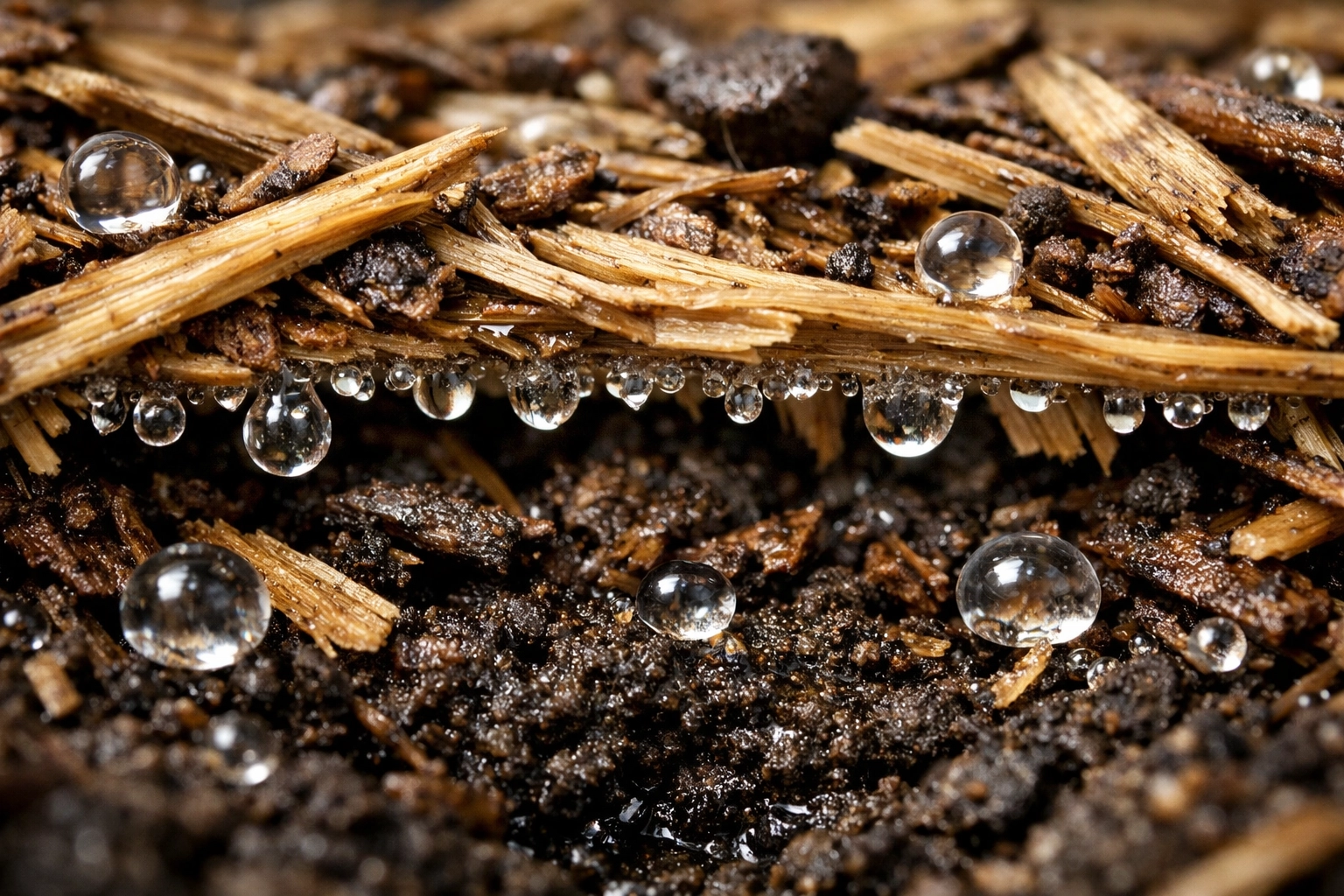
Here's where mulching shifts from a maintenance practice to a soil-building strategy. Organic mulches gradually break down and become part of your soil. This process feeds the complex web of microorganisms, earthworms, and other soil life that make nutrients available to plants.
You won't see dramatic changes overnight, but over several seasons, mulched gardens develop that dark, crumbly soil texture that gardeners dream about. The soil structure improves, drainage gets better, and you'll need less fertilizer because nutrients cycle more efficiently through the system.
Think of it as making deposits into a long-term savings account. Each layer of mulch is an investment in future harvests.
Practical Benefits That Save Time
Beyond the major advantages, mulch delivers several quality-of-life improvements that make gardening more enjoyable:
Cleaner vegetables: Mulch prevents mud from splashing onto low-growing crops. Your lettuce, strawberries, and cucumbers stay cleaner, which means less washing at harvest time.
Reduced erosion: Heavy rains can't wash away your topsoil or create crusted surfaces that prevent water infiltration. The mulch absorbs the impact and lets water soak in gently.
Fewer fertilizer applications: As organic matter increases and the soil food web becomes more active, your plants can access nutrients more efficiently. You're working with natural systems rather than fighting against them.
Neater appearance: A uniform mulch layer gives gardens a tidy, intentional look. It defines beds clearly and creates visual cohesion across the space.
Getting Started With Mulching
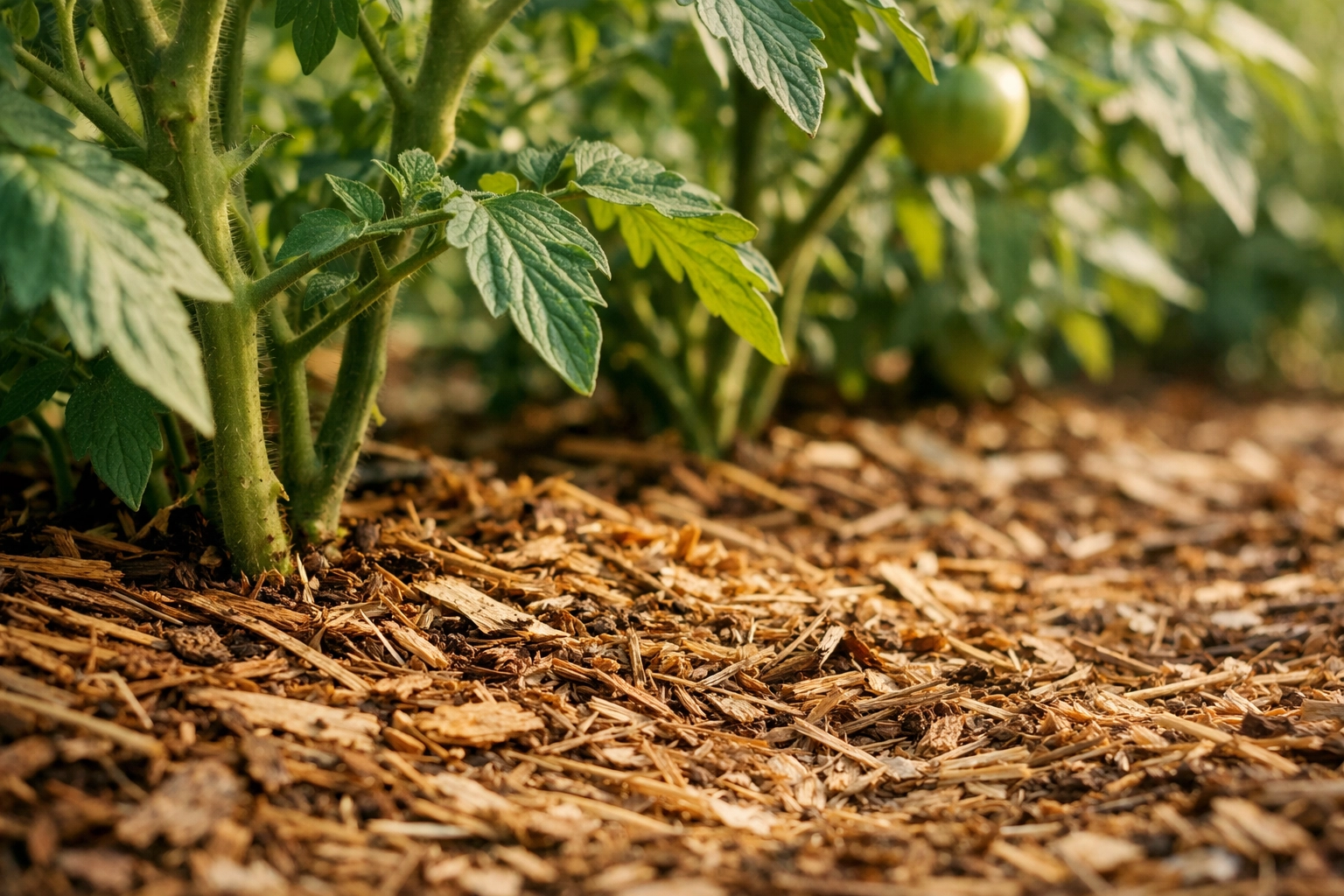
The actual process is straightforward. Wait until soil has warmed in spring and your plants are established: usually a few weeks after transplanting. Apply organic mulch in a layer about three inches thick, keeping it pulled back slightly from plant stems to prevent rot issues.
Straw works beautifully for vegetable gardens. It's clean, easy to spread, and breaks down at a moderate pace. Shredded leaves are another excellent option, especially in fall when they're readily available. Grass clippings work well too, though apply them in thin layers to prevent matting.
Wood chips are perfect for pathways between beds but decompose slowly in growing areas. Save those for perennial plantings where you want longer-lasting coverage.
Top up your mulch mid-season if it's gotten thin. By next spring, much of it will have broken down into the soil, and you'll start fresh with a new layer.
The Long View
Mulching represents one of those practices where initial effort pays dividends throughout the season and beyond. You're not just making this year's garden easier: you're investing in soil health that builds year after year.
For those of us growing heirloom varieties and saving seeds, mulching helps create the stable, healthy conditions where these traditional plants can show what they're really capable of. It's about working with natural systems rather than constantly intervening to fix problems.
Your garden is a living system, and mulch is one of the simplest ways to support that system's natural functions. The weeds you don't have to pull, the watering you don't have to do, the diseases that never get started: all of that time gets redirected toward the enjoyable parts of gardening. And your plants, growing in soil that improves each season, will show their appreciation in the harvest.