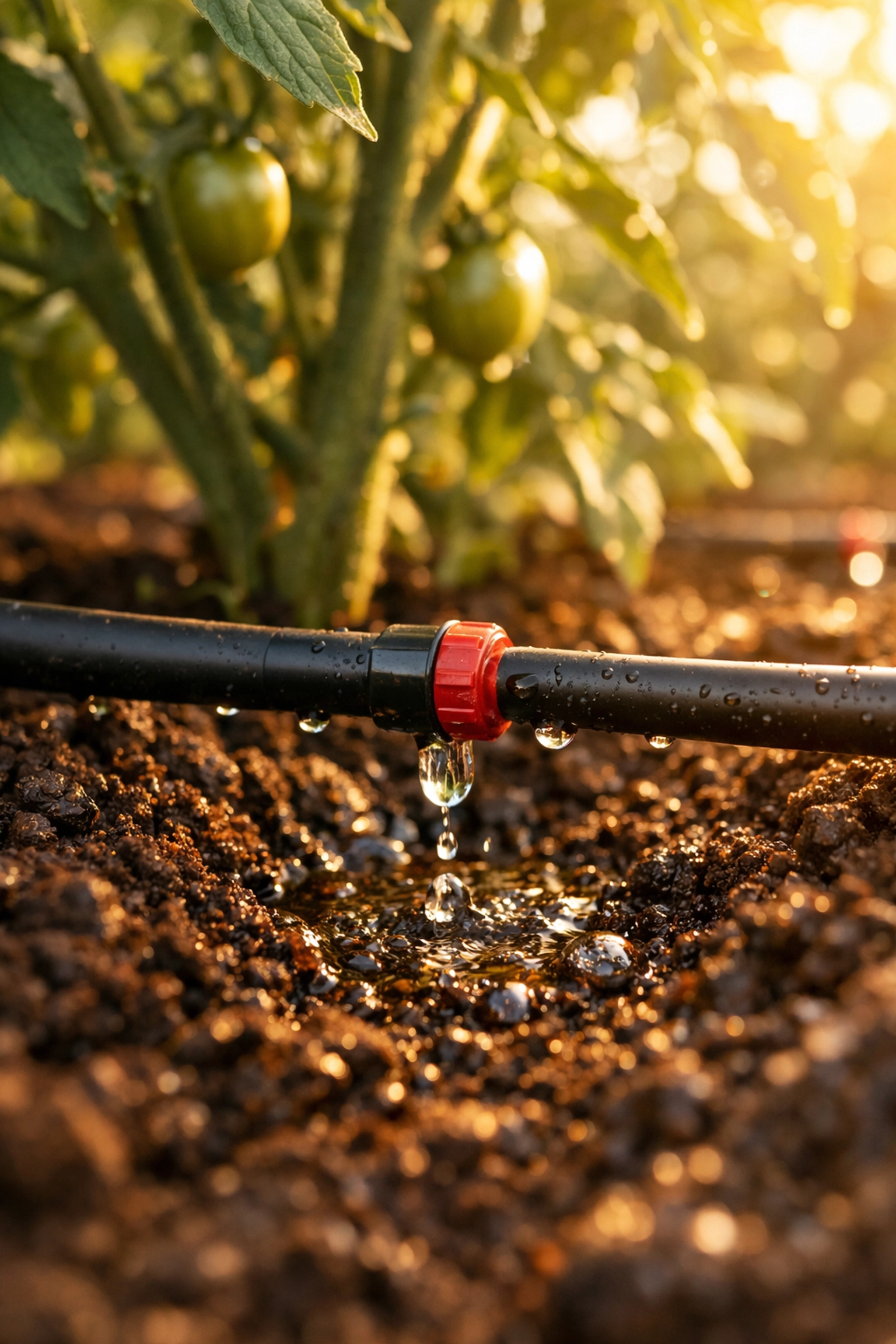
I'll never forget the summer I watched my neighbor's tomato plants thrive while mine struggled, even though we planted the same week. The difference? While I dragged my hose around every evening, she had installed a simple drip irrigation system. That experience changed how I approached watering forever, and it's a lesson worth sharing with anyone serious about growing a productive garden.
Watering seems simple enough. Plants need water, so you give it to them. But the method you choose makes a massive difference in plant health, water efficiency, and your own time investment. Whether you're growing heirloom peppers or starting your first vegetable bed, understanding these two approaches will help you make the right choice for your situation.
The Tale of Two Watering Methods
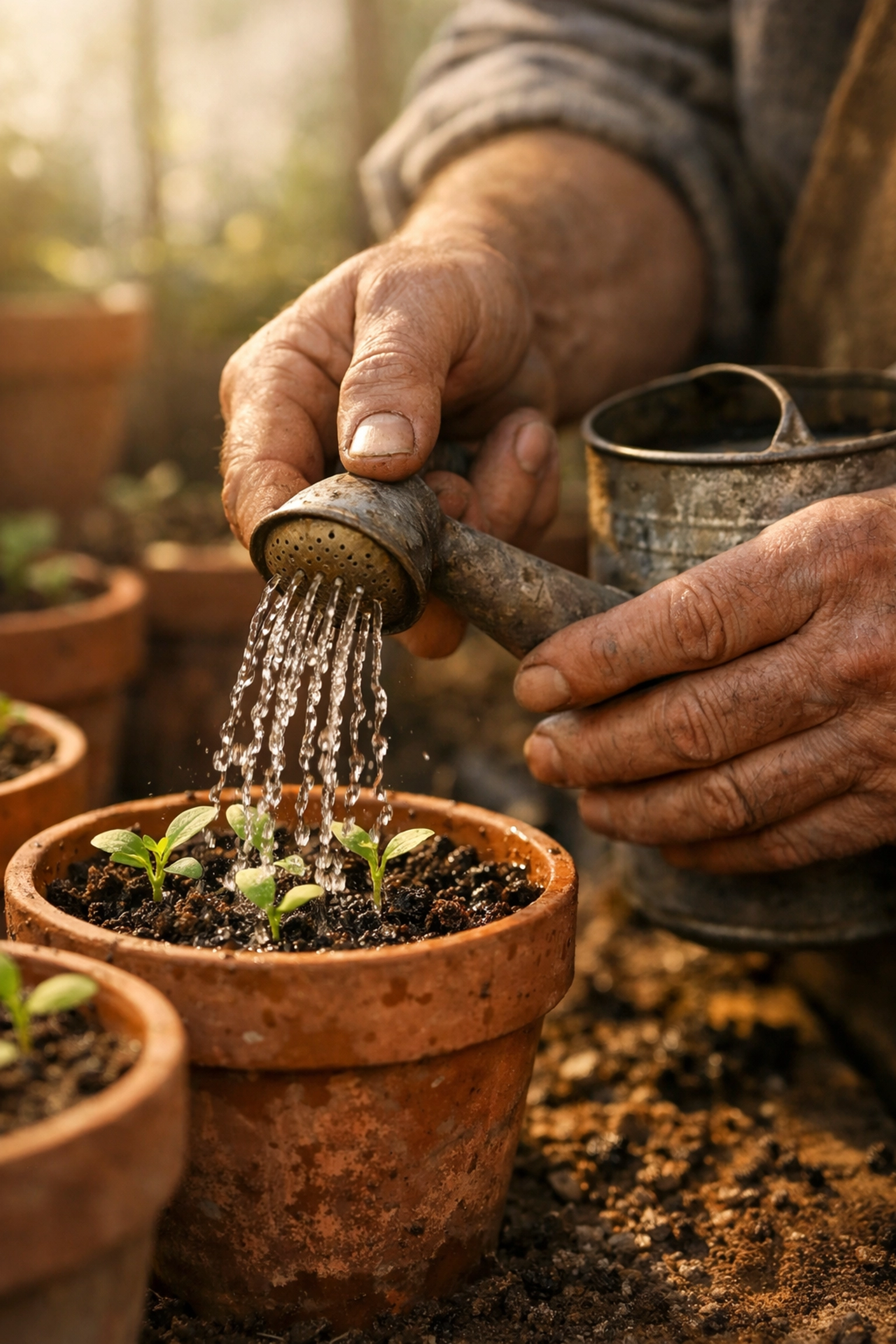
Hand watering is the classic approach. You grab a hose or watering can, walk through your garden, and water each plant individually. It's straightforward, requires minimal equipment, and gives you that hands-on connection with your plants. You can inspect each tomato, check under leaves for pests, and adjust water amounts based on what you observe.
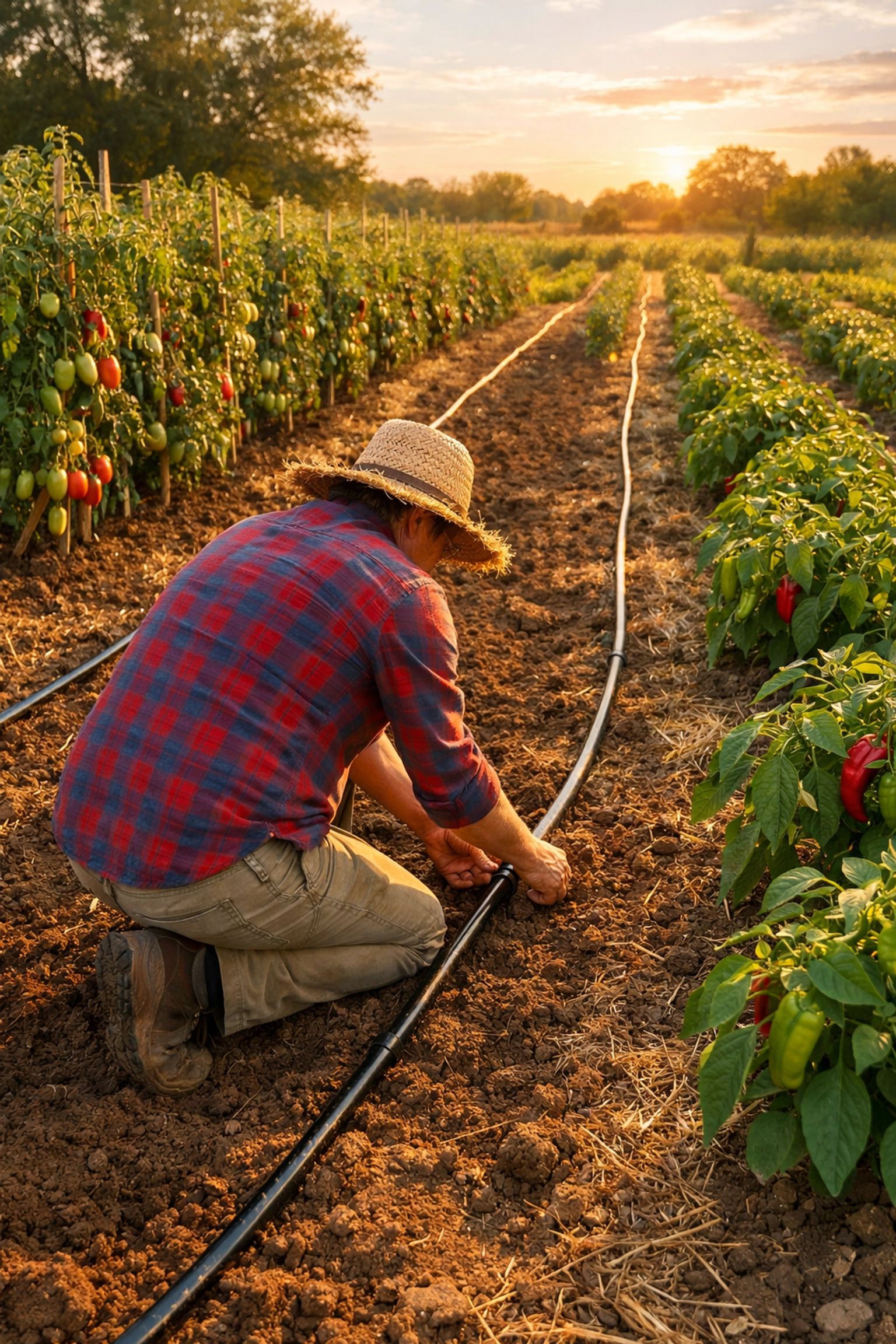
Drip irrigation, on the other hand, is a system of tubes and emitters that delivers water directly to the soil near plant roots. Once installed, it runs automatically or with minimal input from you. Water flows slowly and steadily, right where plants need it most.
Both methods will keep your plants alive, but they produce dramatically different results in efficiency, plant health, and long-term costs.
Water Efficiency: Where Your Water Actually Goes
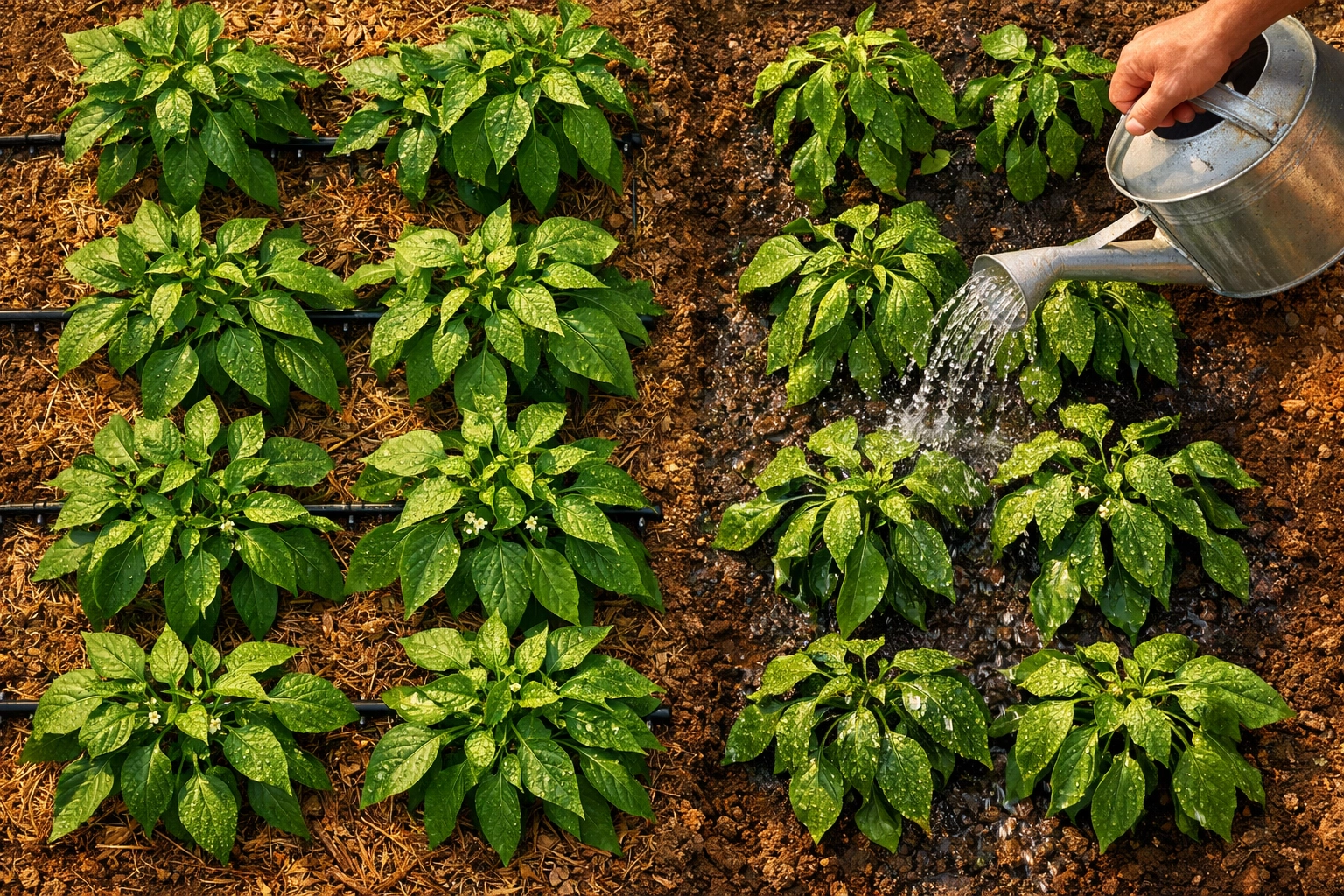
Here's where drip irrigation pulls way ahead. A well-designed drip system operates at roughly 90% efficiency or higher. That means nearly all the water you apply actually reaches your plant roots and gets used by your crops. Hand watering and traditional sprinklers? They typically achieve only 50-70% efficiency.
The difference comes down to evaporation and runoff. When you spray water through the air with a hose, a surprising amount evaporates before hitting the ground, especially on hot summer days. More water runs off the soil surface before it can soak in, particularly if you water too quickly or on sloped terrain.
Drip irrigation eliminates most of these losses. Water drips slowly at the soil surface, giving it time to soak deep into the root zone. Nothing evaporates mid-air. Nothing runs down the driveway. This targeted approach can reduce total water consumption by 60-70% compared to hand watering.
For those of us growing water-intensive crops like heirloom cucumbers or bell peppers, that efficiency matters enormously. Your water bill will thank you, and in areas with water restrictions, drip irrigation might be the difference between maintaining a productive garden and watching it struggle.
The Real Cost Breakdown
Let's talk money. Hand watering has virtually no upfront costs. You need a hose, maybe a watering wand, and you're set. Drip irrigation requires an initial investment in tubing, emitters, filters, pressure regulators, and connectors. For a typical home garden, you might spend $100-300 depending on size and complexity.
But here's the catch: those water savings add up fast. The EPA reports that inefficient watering methods waste up to 50% of water through evaporation and runoff. If you're paying for municipal water, that's money literally evaporating into thin air every time you water.
Most gardeners find their drip systems pay for themselves within 1-2 growing seasons through reduced water bills. After that, you're saving money every single year while using less of a precious resource. The math becomes even more compelling in drought-prone regions where water costs continue climbing.
Plant Health: The Hidden Benefits
Beyond water savings, drip irrigation creates healthier growing conditions for your plants. When you hand water or use overhead sprinklers, you wet the foliage. Those wet leaves become prime real estate for fungal diseases like early blight, powdery mildew, and leaf spot.
Drip irrigation keeps foliage completely dry by delivering water at ground level. This simple difference can dramatically reduce disease pressure, especially on susceptible crops like tomatoes, peppers, and squash. If you've ever lost plants to fungal diseases despite your best efforts, wet foliage might be the culprit.
The slow, steady water delivery also promotes deeper root growth. When you hand water, especially quickly, water tends to spread horizontally across the soil surface. Plants develop shallow root systems that chase this surface moisture. Drip irrigation encourages water to percolate deep into the soil profile, and roots follow it down. These deeper roots make plants more drought-resistant and better able to access soil nutrients.
Controlled moisture levels also mean less stress for your plants. Hand watering inevitably creates feast-or-famine cycles where soil goes from saturated to dry. Those fluctuations stress plants and can cause issues like blossom end rot in tomatoes and blossom drop in peppers. Drip irrigation maintains more consistent soil moisture, which translates to healthier, more productive plants.
When Hand Watering Makes Perfect Sense
Despite all these advantages for drip irrigation, hand watering absolutely has its place. For small gardens, container plants, or just a few raised beds, the simplicity of hand watering might be all you need. There's genuine value in walking through your garden daily, observing each plant up close, and adjusting water based on what you see.
Hand watering forces you to inspect your crops regularly. You'll spot pest problems earlier, notice nutrient deficiencies faster, and catch diseases before they spread. This hands-on approach builds deeper knowledge of your plants' needs and creates that therapeutic connection many gardeners treasure.
Certain situations also favor hand watering. Newly planted seeds or transplants often need careful, gentle watering that's easier to control by hand. Plants in pots with different water requirements are simpler to manage individually. And if you enjoy the daily ritual of watering as meditation or exercise, there's no reason to automate something you find valuable.
When Drip Irrigation Becomes Essential
For larger gardens, drip irrigation stops being optional and starts being necessary. Once you're managing multiple beds, rows of vegetables, or expansive plantings, hand watering becomes a significant time commitment. That time adds up to hours each week during peak growing season.
Drip irrigation also excels for specific crops. If you're growing heirloom tomatoes, peppers, or other heat-loving plants that need consistent moisture, automated drip irrigation provides reliability that hand watering struggles to match. These crops benefit enormously from even moisture, and drip systems deliver exactly that.
The system operates at lower pressure than sprinklers (typically 10-20 psi versus 50-80 psi), which reduces energy costs if you're pumping water. It also means you can run drip irrigation even with lower water pressure, making it practical for remote gardens or areas with pressure challenges.
One often-overlooked advantage: drip irrigation only waters your intended plants. Hand watering and sprinklers wet everything, including pathways and weed seeds waiting to germinate. By targeting only your crops, drip systems significantly reduce weed pressure. Less time pulling weeds means more time enjoying your harvest.
Making It Work in Your Garden
If you're leaning toward drip irrigation, start simple. You don't need to automate your entire garden immediately. Begin with a single bed or row, learn how the system works, then expand gradually. Many home gardeners start with a basic kit and add zones as they gain confidence.
The beauty of modern drip systems is their flexibility. You can customize water delivery for different plant types in the same garden. Your water-hungry cucumbers can receive more frequent watering while your drought-tolerant peppers get less. As your garden evolves, the system adapts with simple adjustments.
For those sticking with hand watering, consider making it more efficient. Water early morning or evening when evaporation rates are lowest. Use a watering wand to deliver water gently at the soil surface rather than spraying foliage. Water slowly enough that soil absorbs moisture without runoff.
The Bottom Line for Growing Success
After years of experience with both methods, I use drip irrigation for my main vegetable beds and hand water containers and special-attention plants. This hybrid approach gives me efficiency where I need it and personal connection where I want it.
For anyone serious about growing productive crops, especially those beautiful heirloom varieties from quality seed sources, drip irrigation will elevate your gardening game. The water savings alone justify the investment, but the improved plant health and reduced disease pressure make it even more valuable.
That said, there's no single right answer. Consider your garden size, available time, water costs, and personal preferences. Start where you are, experiment with what works, and adjust as you learn. The best watering method is ultimately the one that keeps your plants thriving while fitting your lifestyle and goals.
Your garden will tell you what it needs. Pay attention, stay flexible, and remember that every growing season teaches something new. Whether you're wielding a hose or programming a timer, consistent water delivery is what transforms seeds into abundant harvests.