
In my years of working with home gardeners, I've seen the same frustration play out season after season. Someone starts with boundless enthusiasm, plants their favorite tomatoes in the same sunny spot they loved last year, and then watches in dismay as their plants struggle with diseases or produce a fraction of the harvest they expected. The secret ingredient they're missing? Crop rotation.
Now, I know what you're thinking. Crop rotation sounds like something meant for sprawling farms with acres of land, not your cozy backyard garden plot. But here's the truth: even in the smallest garden spaces, rotating your crops is one of the most powerful tools in your gardening toolkit. Let's dig into why this ancient practice matters and how you can make it work in your space.
What Exactly Is Crop Rotation?
Crop rotation is simply the practice of growing different plant families in different locations each growing season. Think of it as a choreographed dance where your vegetables take turns occupying different spots in your garden bed. Instead of planting tomatoes in the same corner year after year, you move them to a new location and plant something from a different family: like beans or carrots: in their old spot.
The concept might seem straightforward, but the benefits are profound. This practice has been used by farmers for thousands of years because it works with nature's systems rather than against them.
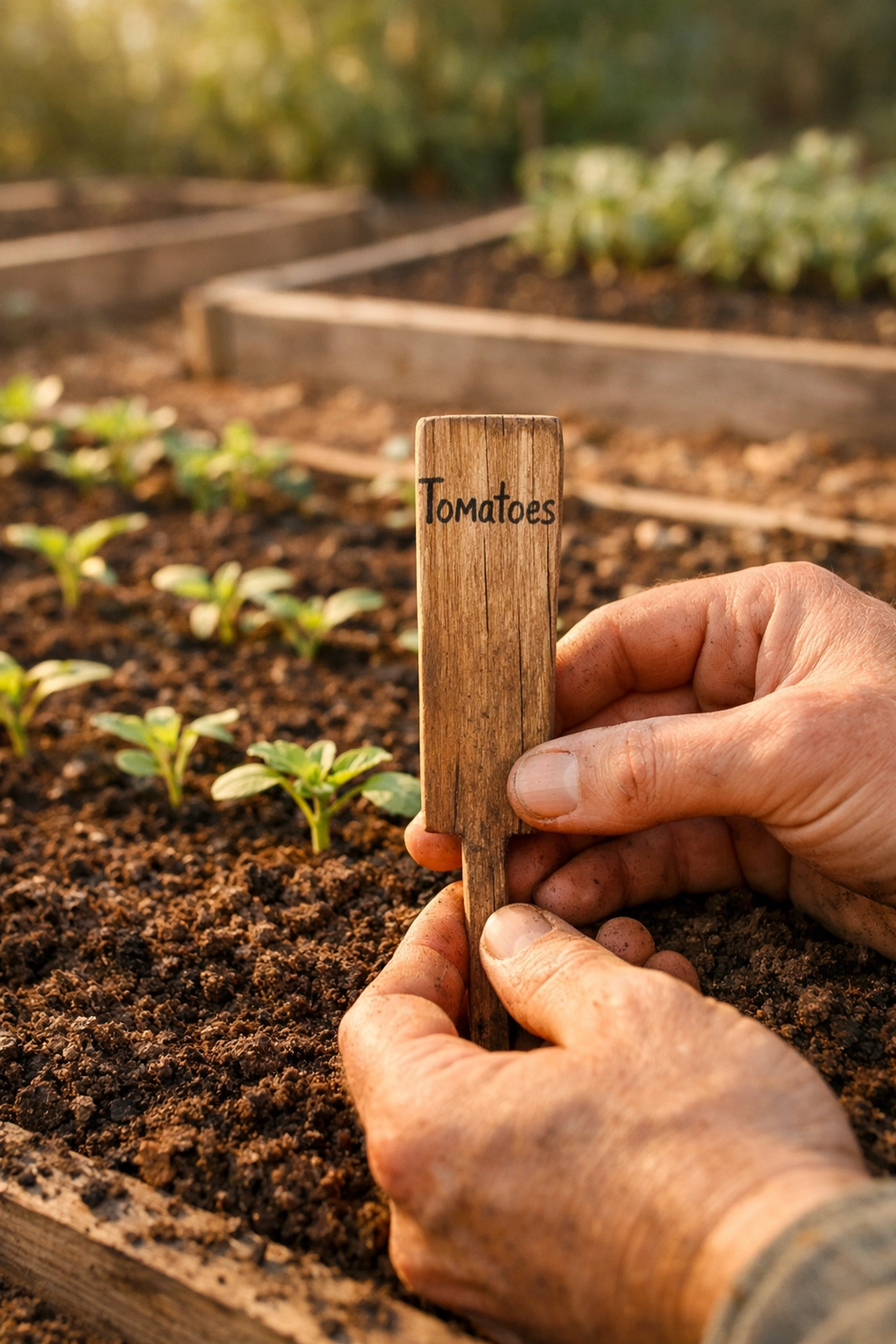
Breaking the Pest and Disease Cycle
Here's where crop rotation becomes your garden's secret weapon. Many pests and diseases are specialists: they target specific plant families and lie in wait in the soil, ready to attack when their favorite host returns. When you plant the same crops in the same location year after year, you're essentially rolling out the welcome mat for these troublemakers.
A fascinating study from Texas found that rotating nightshade vegetables (tomatoes, peppers, eggplants) with unrelated crops for at least three years reduced soil-borne pathogens by an impressive 40-60%. That's a massive reduction achieved through nothing more than strategic planning.
Similarly, research from the University of Minnesota in 2022 showed that gardens with well-planned crop rotations experienced a 40% drop in soil-borne diseases compared to gardens with poor rotation practices. Those are the kinds of numbers that should make any gardener sit up and take notice.
When you're working with quality heirloom seeds: the kind that have been passed down through generations because of their superior traits: protecting them from disease becomes even more critical. These varieties haven't been bred for disease resistance in a lab; they rely on good growing practices to thrive.
Maintaining Soil Fertility Naturally
Different vegetables have different appetites. Some are heavy feeders that gulp down nitrogen and phosphorus like there's no tomorrow. Others, particularly legumes, are the garden's generous benefactors, actually depositing nitrogen back into the soil as they grow.
Tomatoes, peppers, and corn are notorious heavy feeders. They extract substantial nutrients from the soil, and if you plant them in the same spot repeatedly, you'll quickly deplete those nutrients. On the flip side, beans and peas are nitrogen-fixers. Through a fascinating partnership with bacteria in their root nodules, they can contribute up to 200 pounds of nitrogen per acre back into the soil.
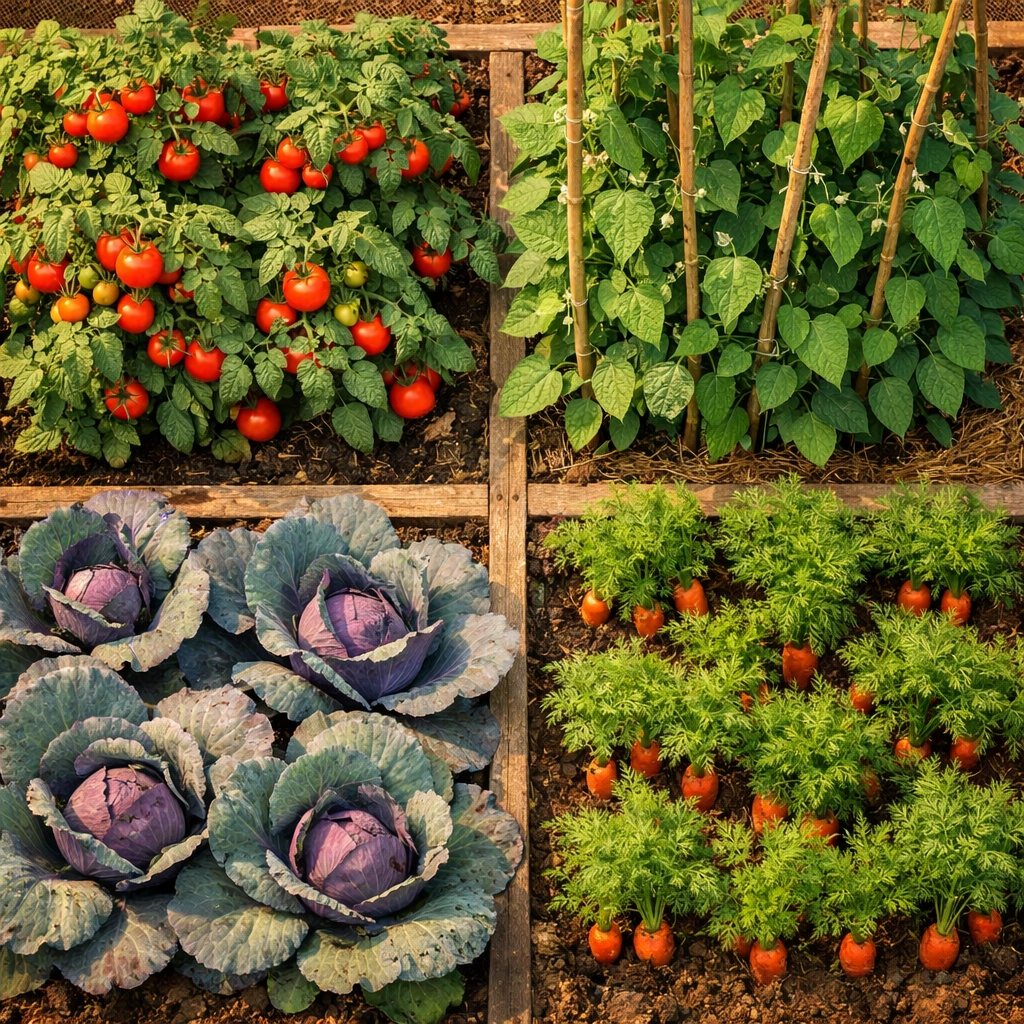
This natural nutrient cycling is like having a built-in fertilizer factory. When you follow heavy feeders with legumes, you're letting nature replenish what was taken. Then you can follow the legumes with moderate feeders like root vegetables, which benefit from the improved soil without demanding as much.
The beauty of this system is that it reduces your reliance on synthetic fertilizers. Even in small gardens, dedicating just a quarter of your space to legumes can provide enough nitrogen for your nutrient-demanding plants in the next season. That's sustainable gardening at its finest.
Boosting Your Garden's Productivity
Let's talk numbers that matter to every home gardener: yield. Research demonstrates that crop rotation can increase vegetable yields by 27-48%. Read that again. By simply moving your plants around strategically, you could potentially harvest nearly half again as much food from the same amount of space.
This isn't magic: it's the combined effect of healthier soil, fewer diseases, and reduced pest pressure all working together. Your plants have access to the nutrients they need, they're not fighting off the same pathogens their predecessors faced, and they're growing in soil structure that's been improved by different root systems.
When you start with excellent genetics: like the heirloom varieties that have proven their worth over decades or even centuries: and give them optimal growing conditions through crop rotation, you're setting yourself up for gardening success.
Making Crop Rotation Work in Small Spaces
I'll be honest: crop rotation in small gardens presents challenges. When you're working with limited square footage, the USDA's recommendation to avoid planting vegetables from the same family more than once every three to four years can feel impossible. But here's the good news: even imperfect rotation is better than no rotation at all.
Start by understanding plant families. The major vegetable families you'll work with include:
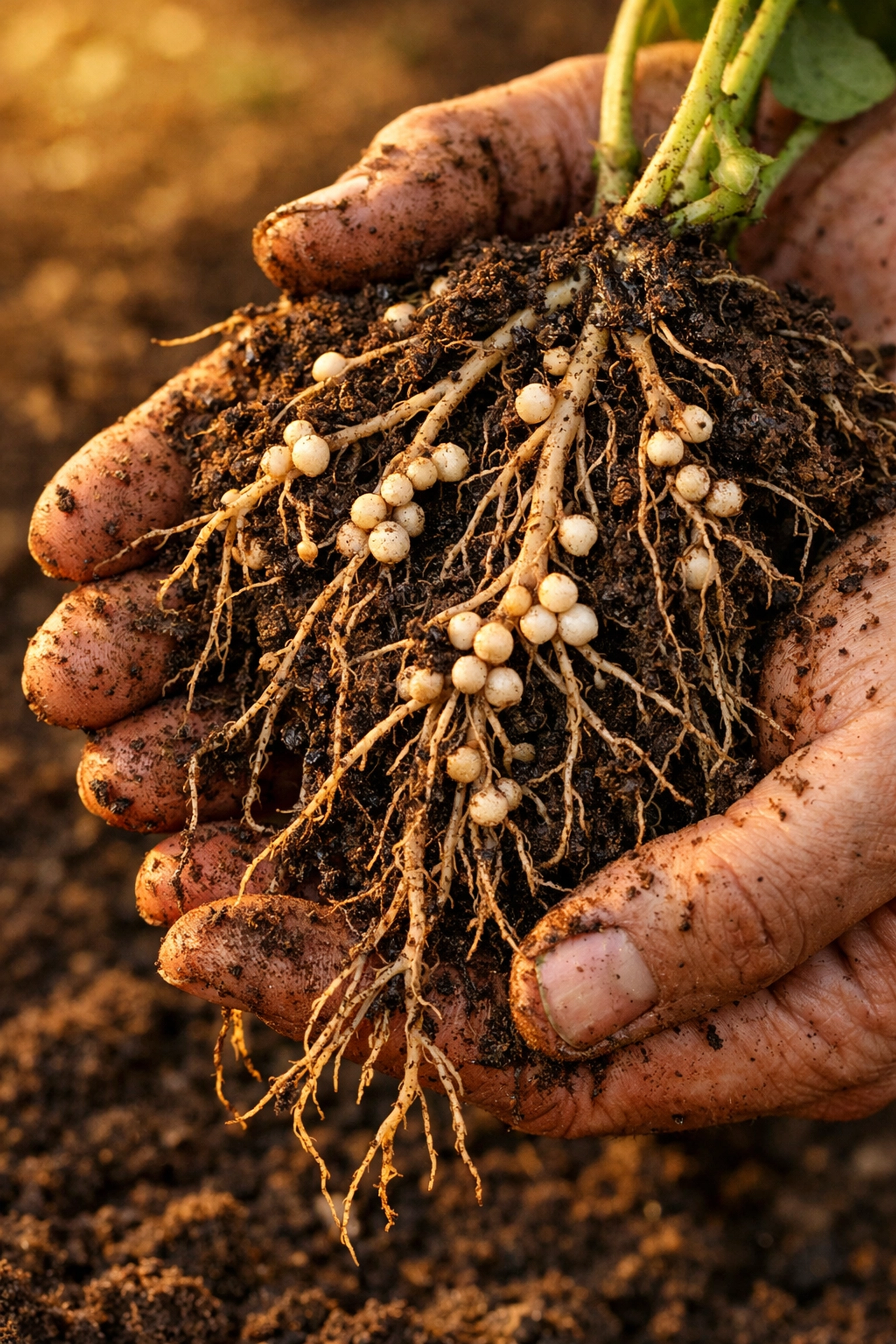
Nightshades: Tomatoes, peppers, eggplants, potatoes Legumes: Beans, peas Brassicas: Cabbage, broccoli, kale, Brussels sprouts Cucurbits: Cucumbers, squash, melons, pumpkins Alliums: Onions, garlic, leeks Roots: Carrots, beets, radishes
Even with a single raised bed, you can divide it into sections and rotate families through those sections. If you can't manage a full three or four-year rotation, aim for at least two years. The key is to avoid planting the same family in the same spot in consecutive seasons.
Keep a simple garden journal or even just snap photos each season noting what you planted where. Trust me, you think you'll remember, but come next spring, those details blur together. Documentation is your friend.
Practical Tips for Successful Rotation
Vertical space is your ally in small gardens. When you grow vining crops like cucumbers or beans up trellises, you free up ground space for succession planting and better rotation options. This three-dimensional approach to gardening maximizes every inch.
Consider container gardening for crops that are particularly prone to soil-borne diseases. Tomatoes and peppers do beautifully in large containers with fresh potting mix each year, allowing you to practice perfect rotation without the space constraints of in-ground beds.
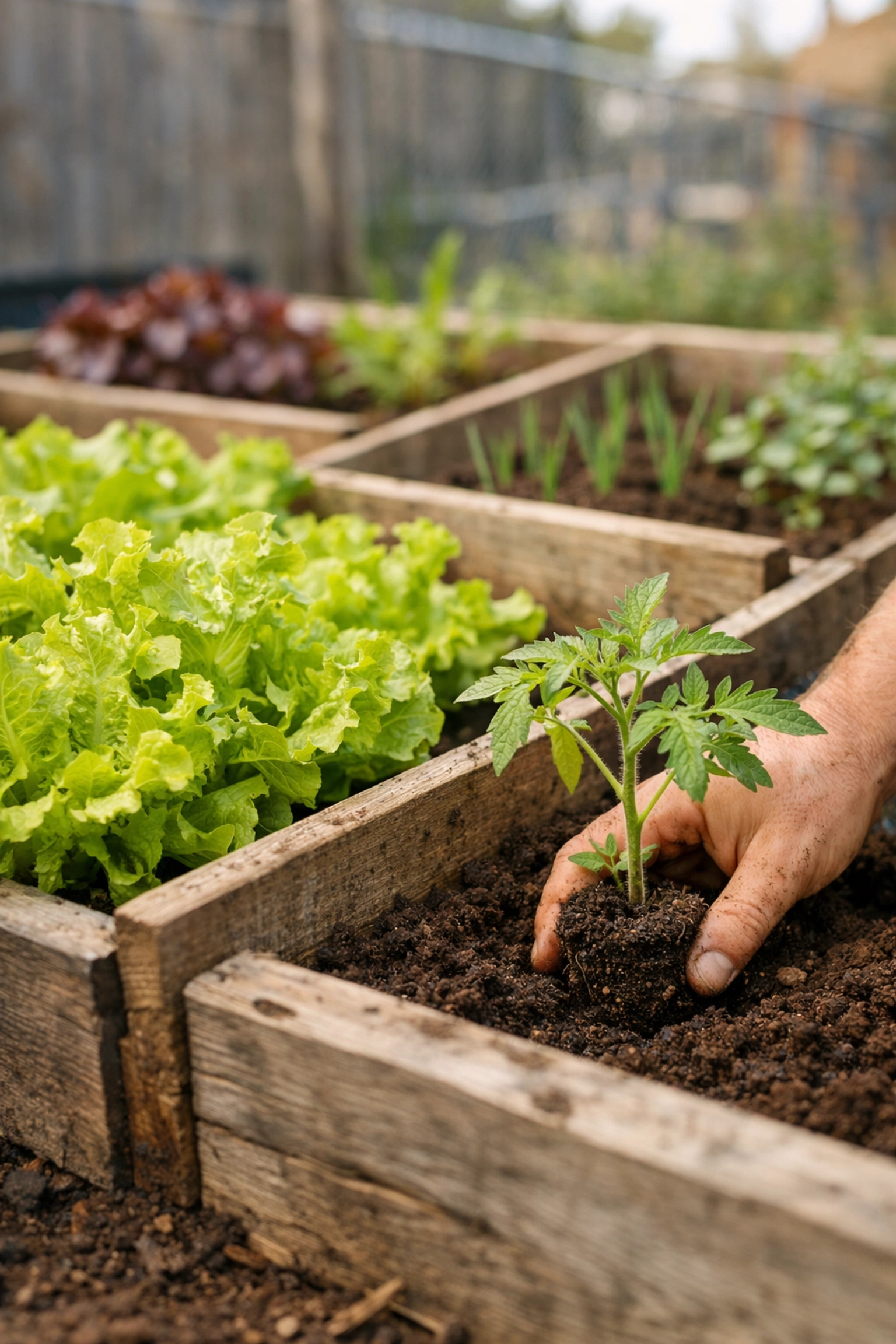
Interplanting and companion planting can work alongside rotation strategies. While you're waiting for your main crop to mature, you can tuck in quick-growing crops from different families. Lettuce or radishes between tomato transplants, for example, give you a harvest while maintaining family separation.
Don't forget about cover crops. Even in small gardens, planting a quick cover crop like clover or buckwheat during the off-season or in empty spots can improve soil structure and add nutrients, making your rotation strategy even more effective.
The Long Game: Building Garden Health Over Time
Crop rotation isn't a quick fix: it's a long-term investment in your garden's health. The benefits compound over time as your soil builds fertility, beneficial organisms establish themselves, and pest and disease pressure decreases. Think of it as a savings account for your garden, where small deposits of good practice yield significant returns.
When you're selecting seeds for your rotation plan, quality matters immensely. Heirloom varieties have the genetic diversity and vigor that comes from being grown and saved by gardeners for generations. These seeds bring robust traits to your garden, and when you pair them with solid growing practices like crop rotation, you create an environment where they can truly shine.
The satisfaction of pulling a bountiful harvest from a well-managed garden: one where you've worked with natural systems rather than fighting against them: is something every gardener should experience. Crop rotation is one of the foundational practices that makes that possible.
Remember, gardening is a journey of continuous learning. Each season teaches you something new about your specific plot of land, your climate, and your crops. Start where you are, use what you have, and implement rotation to the best of your ability. Even small steps toward better crop rotation will reward you with healthier plants and more abundant harvests. Your future self: and your garden( will thank you for the planning you do today.)