
There's a moment every pepper grower knows all too well. You're standing in your garden, staring at those beautiful habanero plants, wondering if today's the day. Are they ready? Should I wait another week? What if I pick them too early and miss out on that legendary heat?
I've been there more times than I can count, y'all. And let me tell you, knowing exactly when to harvest your habaneros can mean the difference between a pepper that'll blow your socks off and one that's just... meh.
So let's dig into the five visual cues that'll help you harvest habaneros at the perfect moment. No more guessing games. No more disappointment. Just perfectly ripe, fiery goodness.
Understanding the Habanero Timeline
Before we jump into the visual cues, let's set some expectations. Habaneros aren't exactly the speediest peppers in the garden. From the day you transplant those seedlings into their permanent home, you're looking at roughly 90 to 120 days before harvest time.
Now, that's a wide window, I know. But here's the thing, every garden is different. Your soil, your climate, your sunshine situation... all these factors play into how quickly your habaneros mature. The timeline gives you a ballpark, but the visual cues? Those are your real harvest indicators.
The 5 Visual Cues for Perfectly Ripe Habaneros
1. The Color Transformation
This right here is your number one indicator, folks. It's the most reliable sign that your habaneros are ready for picking.
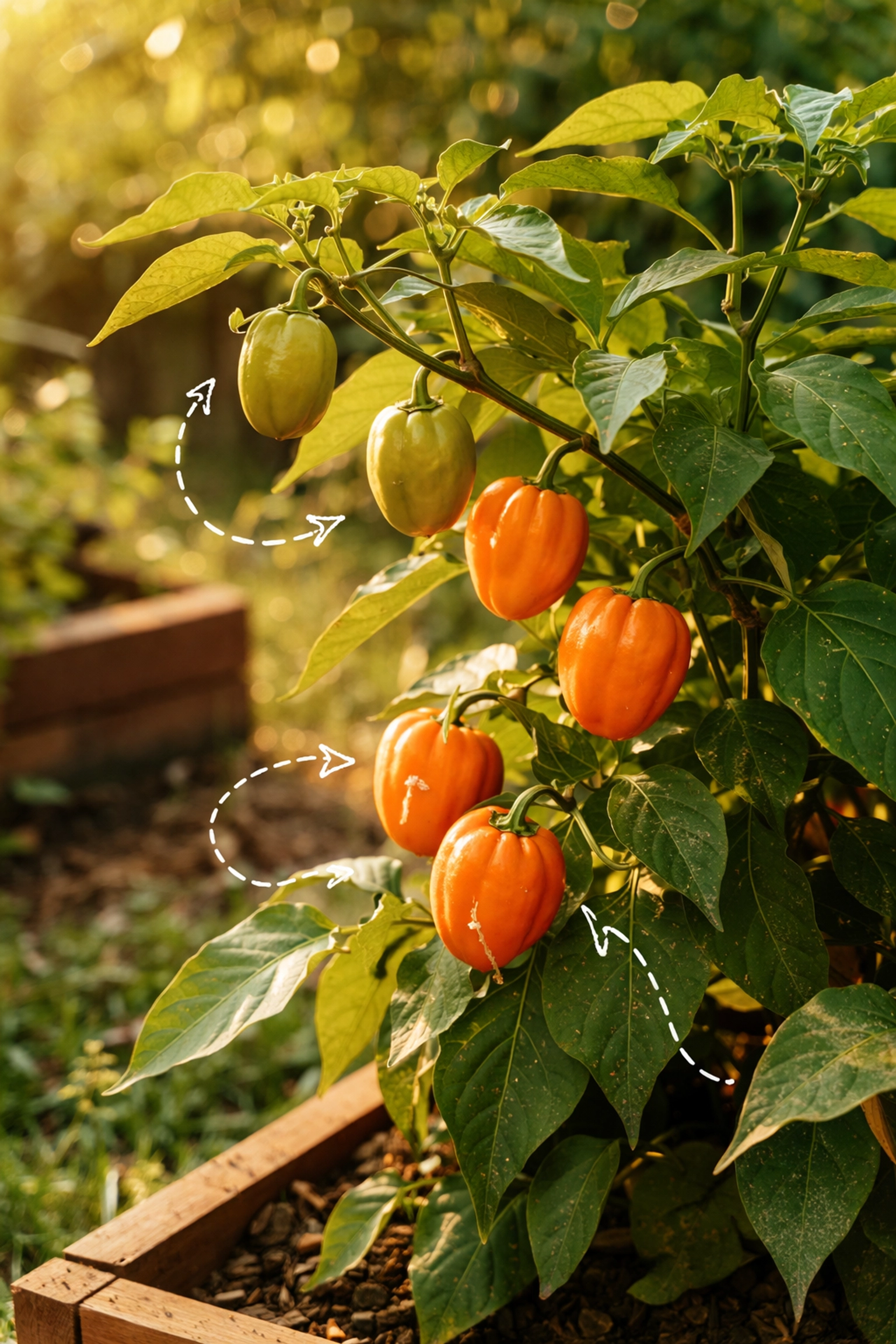
When habaneros first develop on the plant, they're green. Bright, shiny, and tempting, but not ready. As they mature, they undergo a beautiful transformation. Depending on your variety, you'll see them shift to vibrant orange, fiery red, or even a rich chocolate brown.
Here's what most folks don't realize: that color change isn't just about looks. It's chemistry happening right before your eyes. As the pepper ripens and changes color, the capsaicin levels increase dramatically. That's the compound responsible for the heat. A fully orange habanero packs significantly more punch than its green counterpart.
So if you want that authentic habanero experience, that fruity, citrusy flavor wrapped in serious heat, patience is your friend. Wait for that full color development.
Pro tip: If you're growing habanero peppers from our seeds, you'll typically see that classic orange color when they're ready. But always check your specific variety, some habaneros mature to different shades.
2. The Firmness Test
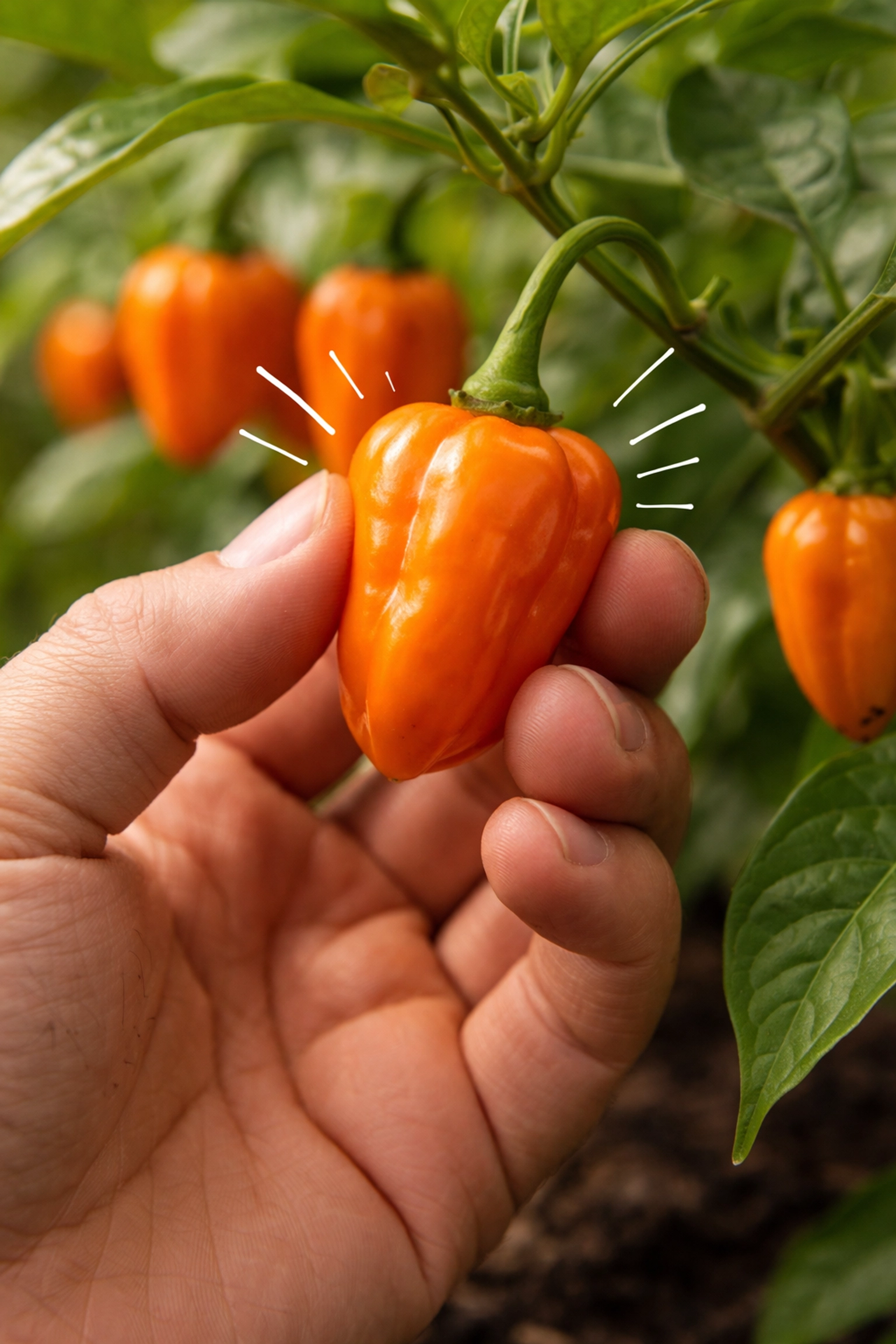
Once you've got the color down, it's time for the squeeze test. And I mean a gentle squeeze, y'all. We're not making orange juice here.
A ripe habanero should feel firm to the touch with a slight glossy sheen on the skin. It should have some give, but it shouldn't feel soft or mushy. Think of it like checking an avocado, you want that sweet spot between rock hard and overripe.
If your habanero feels soft and looks wrinkled, you've waited too long. Overripe peppers aren't ruined, but they won't have that crisp texture, and the flavor starts to deteriorate. They're still usable for hot sauces and dried pepper flakes, but fresh eating? Not ideal.
On the flip side, if the pepper feels hard as a rock and the skin looks dull, give it more time. It's still developing.
3. Full Size Achievement
Habaneros need to reach their full size before the ripening process really kicks in. This is nature's way of doing things, the pepper grows first, then it ripens.
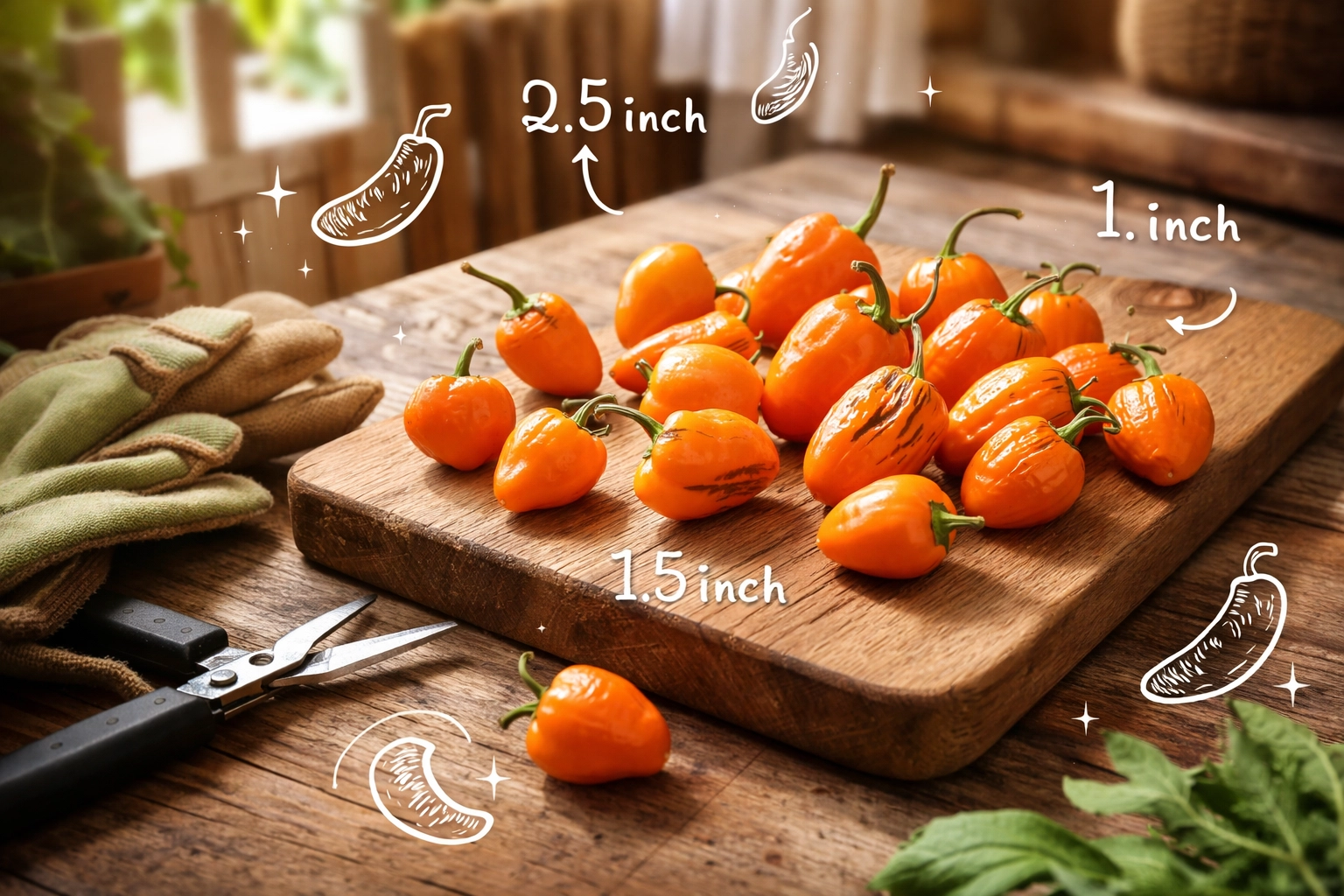
A mature habanero typically measures between 1 to 2.5 inches long. They've got that distinctive lantern shape that sets them apart from other peppers. If your peppers look undersized compared to what you'd find at the store or farmers market, they might need more growing time.
Now, size can vary based on growing conditions. Plants that are stressed from lack of water or nutrients might produce smaller peppers. But generally speaking, you want to see that the pepper has stopped getting bigger before you start watching for color changes.
4. The Easy Separation Test
Here's a trick that old-timers have used forever, and it works like a charm.
When a habanero is truly ready, it practically wants to leave the plant. Give it a gentle twist and light tug. A ripe pepper will separate from the stem with minimal effort, almost like it's saying "take me, I'm ready!"
If you find yourself having to yank or pull hard, stop right there. That pepper is telling you it needs more time. Forcing it off the plant not only gives you an unripe pepper but can also damage the plant and affect future fruit production.
This cue works best in combination with the others. A pepper that comes off easily but is still green? Might have been damaged or stressed. But a pepper that's orange, firm, full-sized, AND separates easily? That's your winner.
5. Growth Lines on the Skin
This last cue is subtle, but once you know to look for it, you'll see it everywhere.
As habaneros finish their growth phase, tiny brown lines may appear on the surface of the pepper. These are sometimes called "corking" or growth lines, and they indicate that the pepper has stopped expanding. The skin essentially reaches its limit and develops these small stretch marks.
When you see these lines appearing, the pepper is signaling that it's done growing and is ready for harvest, regardless of whether it's reached the size you expected. Some peppers just max out smaller than others, and that's perfectly fine.
These growth lines don't affect flavor or heat. In fact, some pepper enthusiasts specifically look for corked peppers, believing they indicate a more mature, flavorful fruit.
What Happens If You Pick Too Early?
I get it, the anticipation is real. You've been nurturing these plants for months, and you're itching to taste the fruits of your labor. But picking habaneros too early comes with some downsides.
Reduced heat: Green habaneros contain significantly less capsaicin than their fully ripened counterparts. If you're growing habaneros for that intense heat, patience pays off.
Less developed flavor: Ripe habaneros have a distinctive fruity, almost tropical flavor that complements the heat. Green ones taste more vegetal and grassy, not bad, just different.
Shorter storage life: Unripe peppers tend to deteriorate faster than fully ripened ones. Ironic, right?
That said, green habaneros are still usable. They work great in salsas where you want heat without the fruity notes, and some cuisines specifically call for green hot peppers.
Harvesting Tips for Success
Once you've determined your habaneros are ready, here's how to harvest them properly:
Use clean, sharp tools. Garden clippers or a sharp knife work best. Cutting the stem cleanly prevents damage to the plant and reduces the risk of disease.
Leave a bit of stem attached. About a quarter inch of stem helps the pepper store longer and looks better if you're planning to display them.
Wear gloves. Seriously. Habanero oils can cause serious skin irritation, and if you touch your eyes afterward... well, let's just say you'll only make that mistake once.
Harvest in the morning. Peppers picked in the cool morning hours tend to be crisper and store better than those picked in afternoon heat.
Growing Your Own Habaneros
If you haven't started your habanero journey yet, there's no better time than now. These peppers are surprisingly easy to grow once you understand their needs: plenty of sun, consistent water, and patience.
Check out our habanero pepper seeds to get started. They're open-pollinated, non-GMO, and come with growing instructions to set you up for success.
And if you're looking to expand your pepper collection, consider adding some ghost peppers or cayenne peppers to your garden. Variety is the spice of life, literally!
The Bottom Line
Knowing when habanero peppers are ripe comes down to paying attention to what the plant is telling you. Watch for that color change from green to orange, red, or brown. Check the firmness with a gentle squeeze. Make sure they've reached full size. Test how easily they separate from the stem. And look for those telltale growth lines.
Combine all five cues, and you'll harvest habaneros at their peak every single time. Your hot sauces will be hotter, your salsas will sing, and your pepper-loving friends will wonder what your secret is.
Happy growing, y'all! 🌶️